When you schedule a roof replacement, most of the conversation centers on shingles, color, style, brand. But beneath every shingle, tile, or metal panel lies a layer of structural board that determines how well your entire roof performs. That board is almost always OSB.
Oriented strand board is the industry standard for roof decking in the United States, yet most homeowners have never heard of it until something goes wrong. By the end of this guide, you will have a complete picture of OSB and how it affects your roof’s long-term performance.
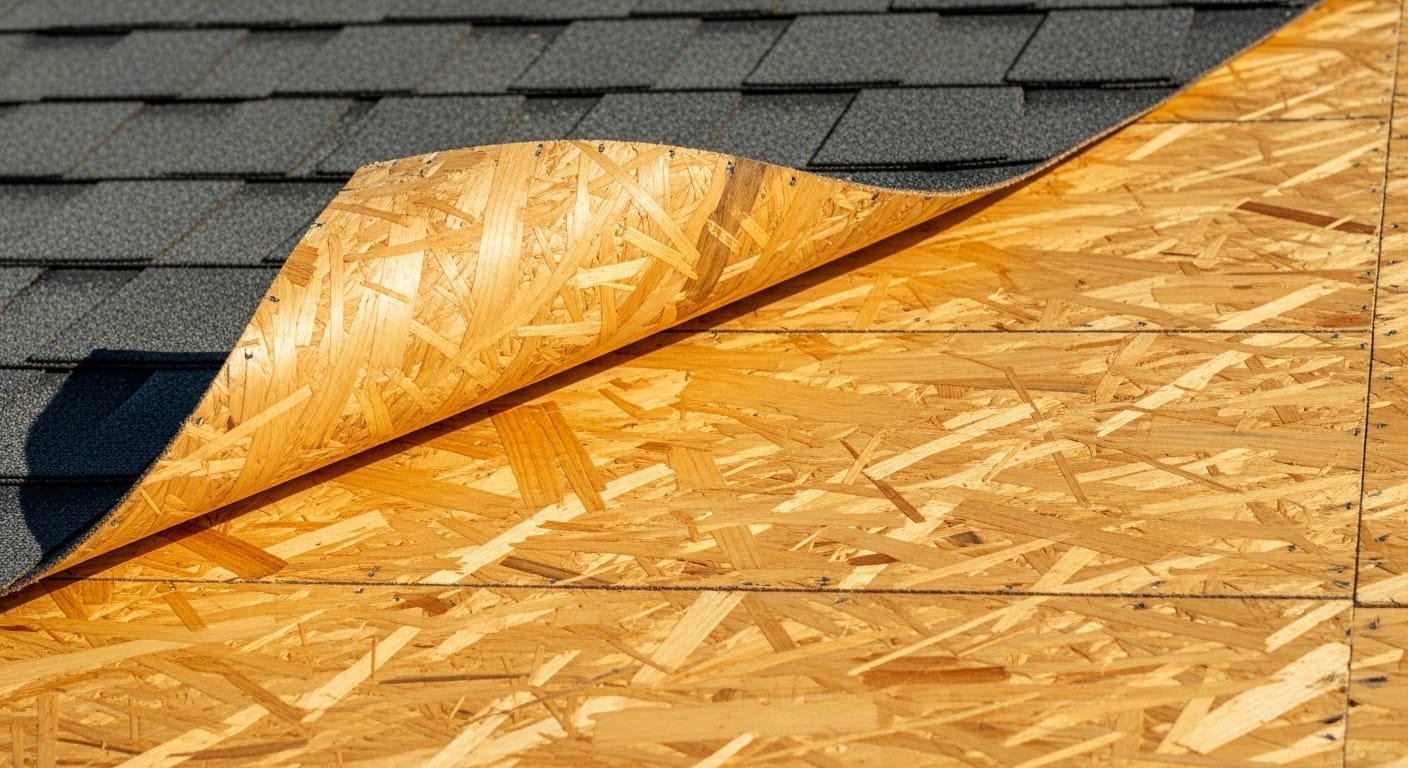
What Is OSB?
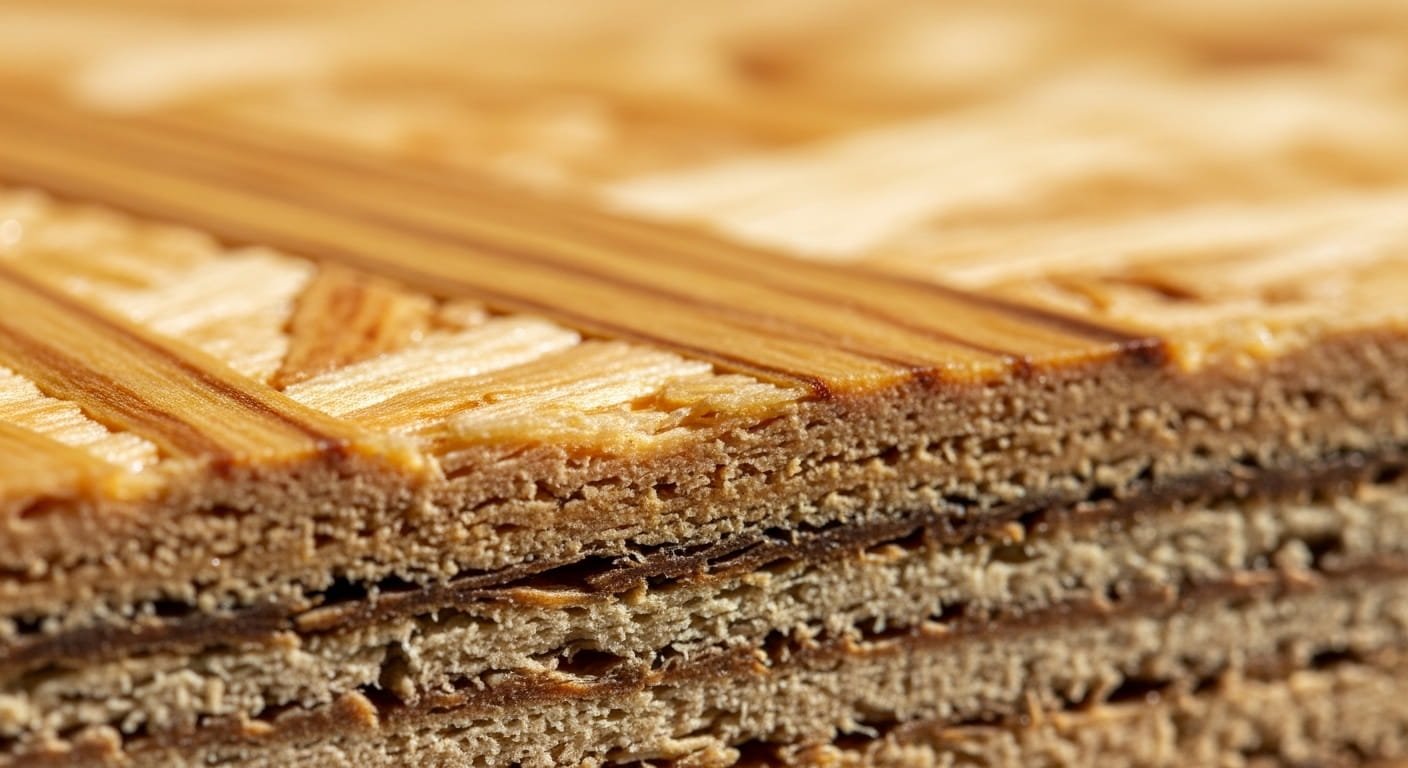
OSB Meaning in Construction
OSB stands for Oriented Strand Board. It is an engineered wood panel made by compressing layers of wood strands, typically 8 to 15 centimeters long, with resin and adhesive under high heat and pressure. The strands are arranged in alternating perpendicular layers, which is where the word “oriented” comes from. This cross-directional layering gives OSB its structural strength and rigidity.
The result is a dense, uniform panel that comes in standard 4×8 foot sheets and a range of thicknesses. It looks similar to particleboard but performs far more like structural plywood.
What Is OSB Board Used For?
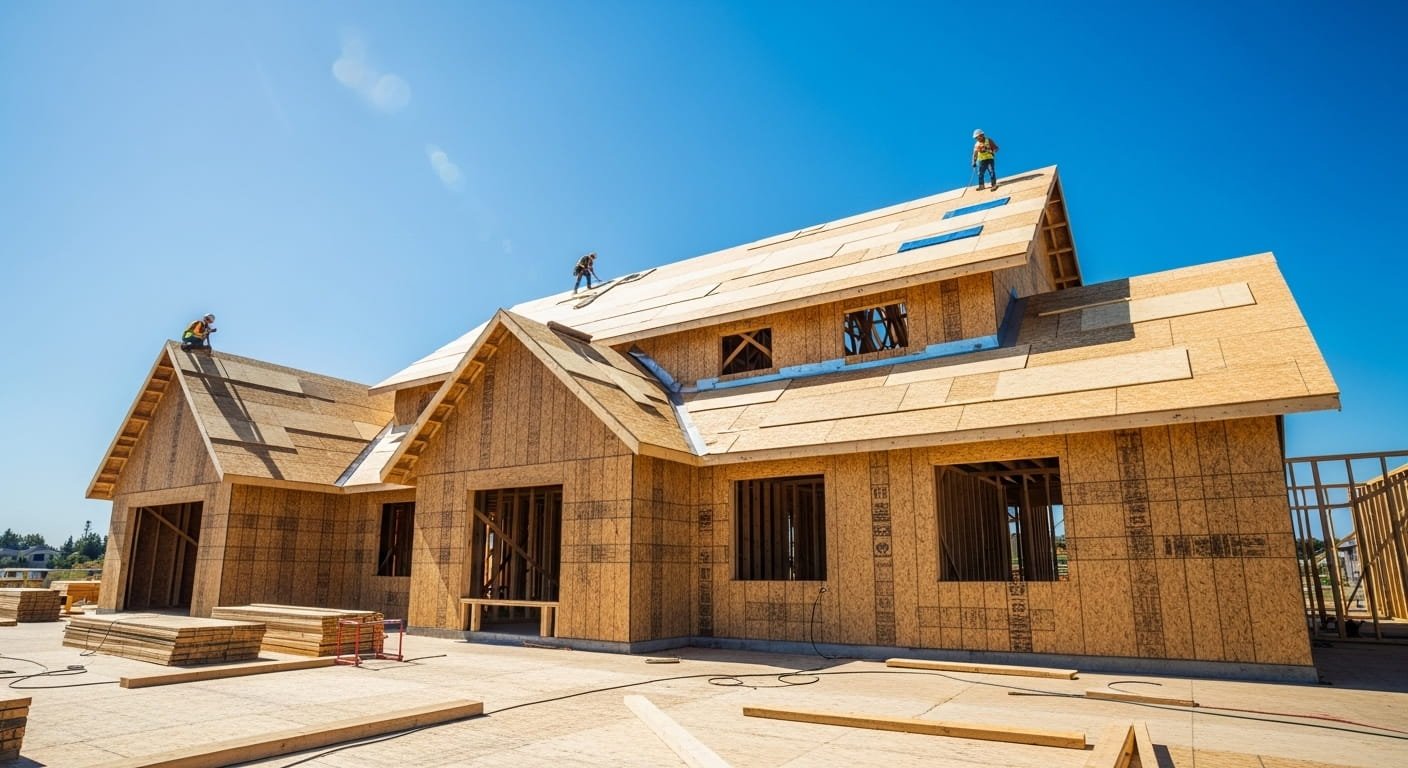
OSB is one of the most versatile engineered wood products in construction. Its primary uses include:
- Roof decking — the structural base layer beneath shingles, tiles, or metal panels
- Wall sheathing — the outer layer of a wall frame before siding is applied
- Subfloor panels — the base layer beneath finished flooring
- Underlayment — in some applications, as a base layer for flooring systems
What Is OSB in Roofing?
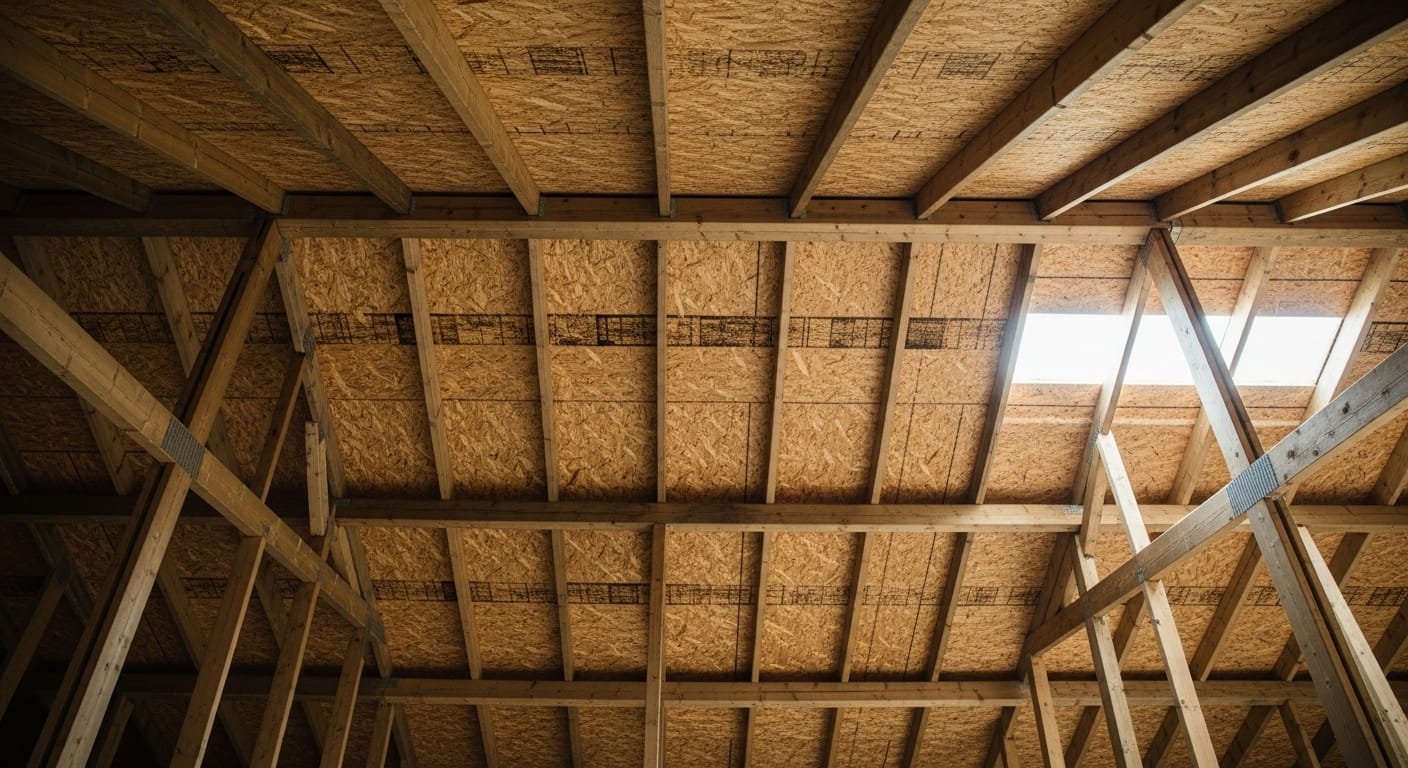
In roofing, OSB is the decking or sheathing material nailed directly to the roof rafters or trusses. Every roofing material, asphalt shingles, metal panels, tile, cedar shake, needs a solid, continuous surface to attach to. OSB provides that surface. It also plays a structural role: OSB distributes the load of roofing materials, snow, and foot traffic across the rafters, preventing concentrated stress that could cause structural failure.
What Is Roof Decking — And Why Does It Matter?
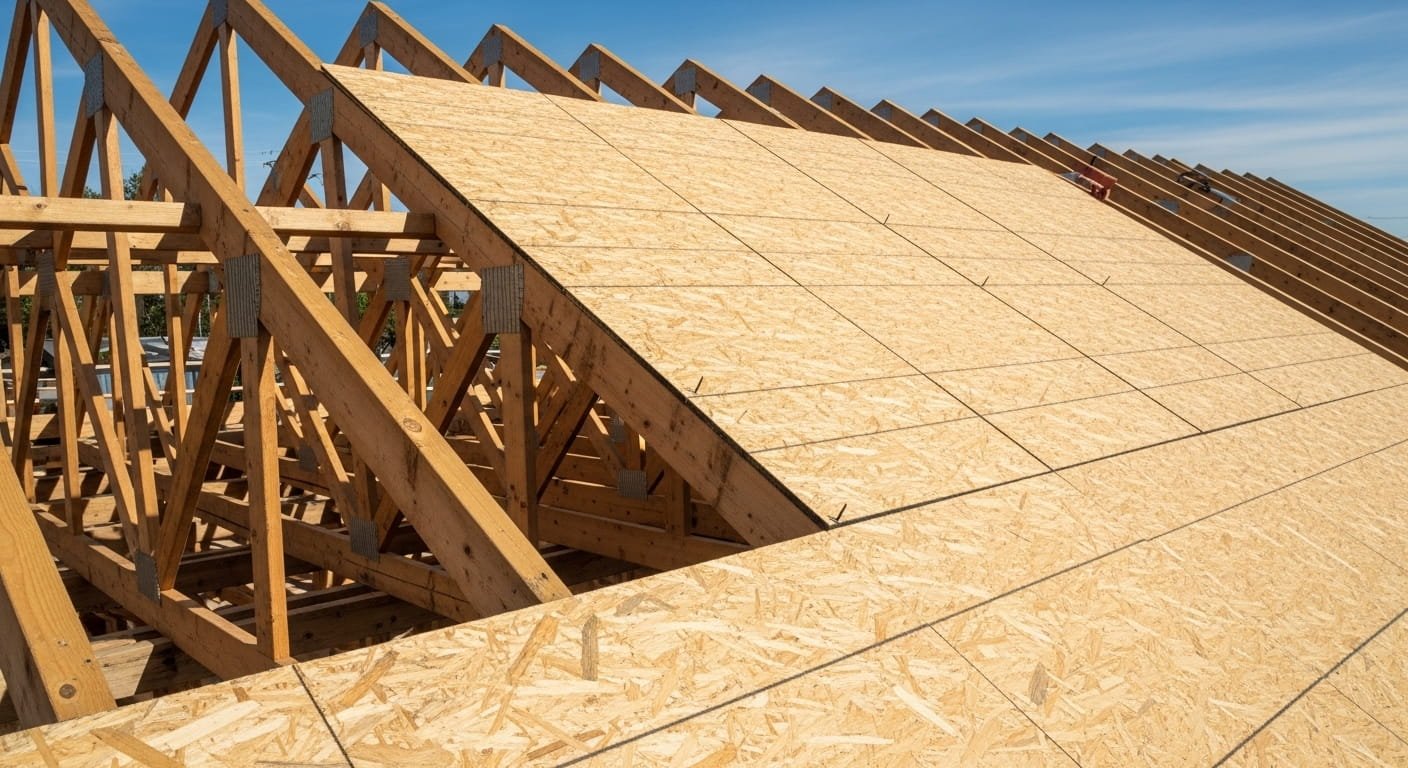
Roof decking, also called roof sheathing, is the layer of board that covers your roof’s rafters and forms the continuous surface to which roofing materials are fastened. Without decking, there would be no surface to nail shingles to and no structural continuity across the roof plane.
Good roof decking needs to be:
- Structurally strong — able to support roofing materials, snow loads, and foot traffic
- Dimensionally stable — resistant to warping, swelling, and shrinking
- Fastener-friendly — able to hold nails and screws reliably over decades
- Consistent in thickness — so shingles lay flat and uniform across the surface
OSB roof sheathing meets all of these requirements, which is why it has become the dominant roof decking material in new residential construction across the United States.
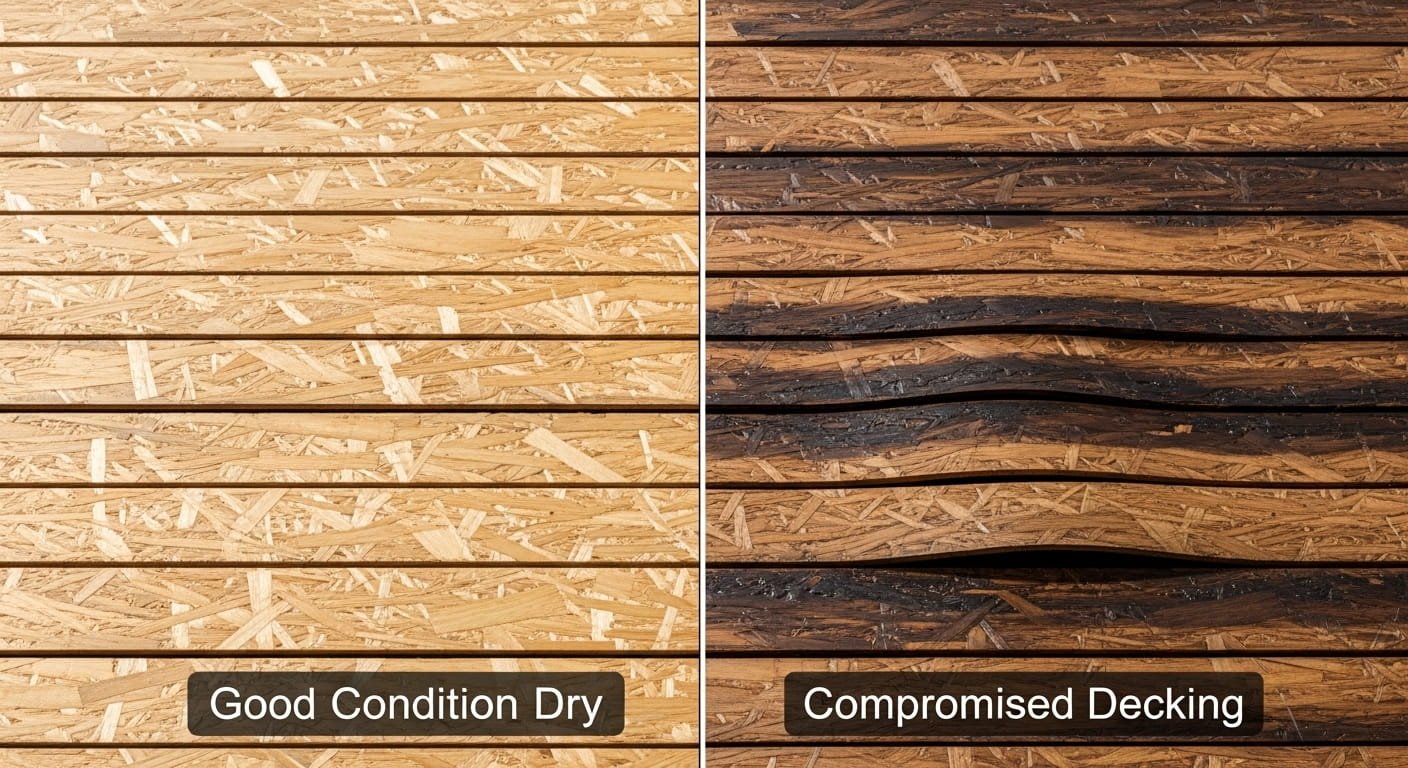
If your roof decking is compromised — from moisture, rot, or impact damage — your entire roofing system is at risk. This is one reason why roof inspections are so important: inspectors check not just the surface materials but the condition of the decking beneath.
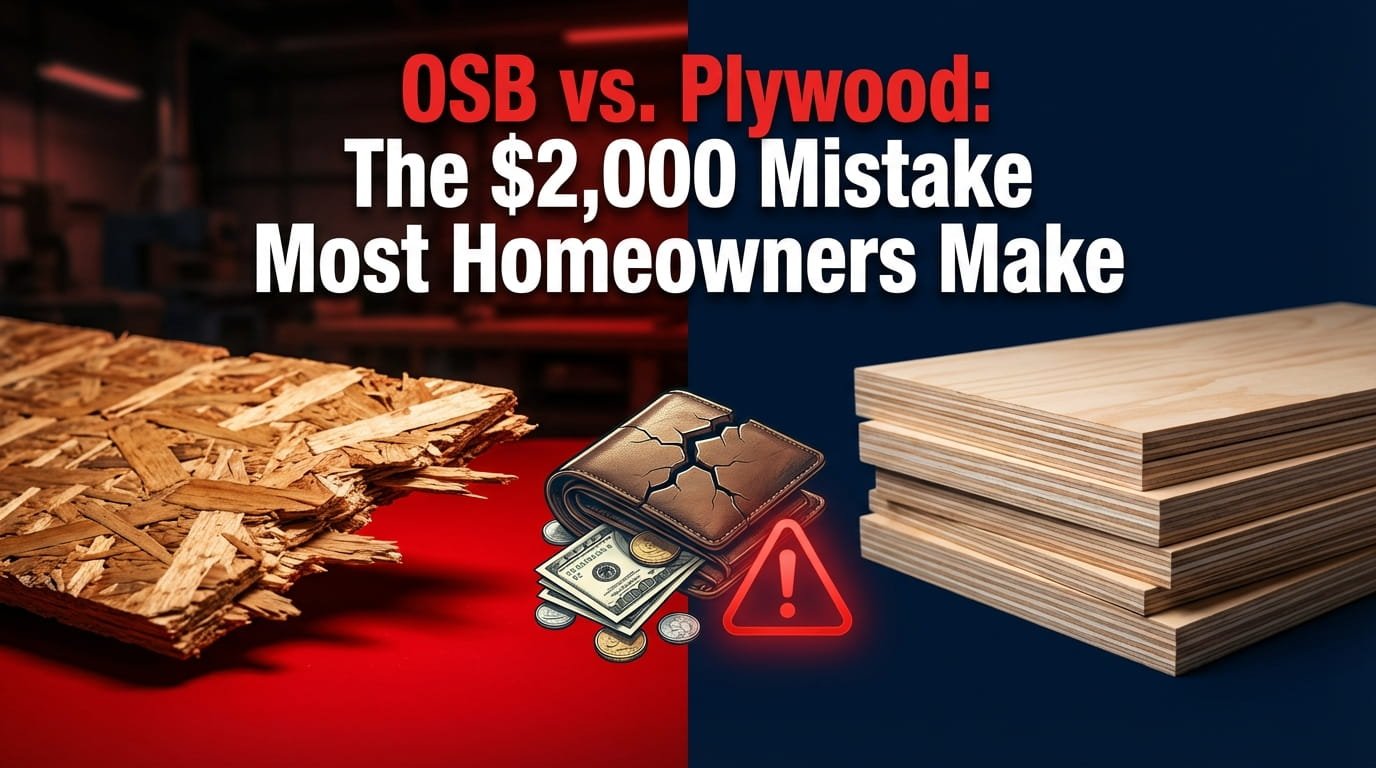
OSB vs Plywood for Roofing — Complete Comparison
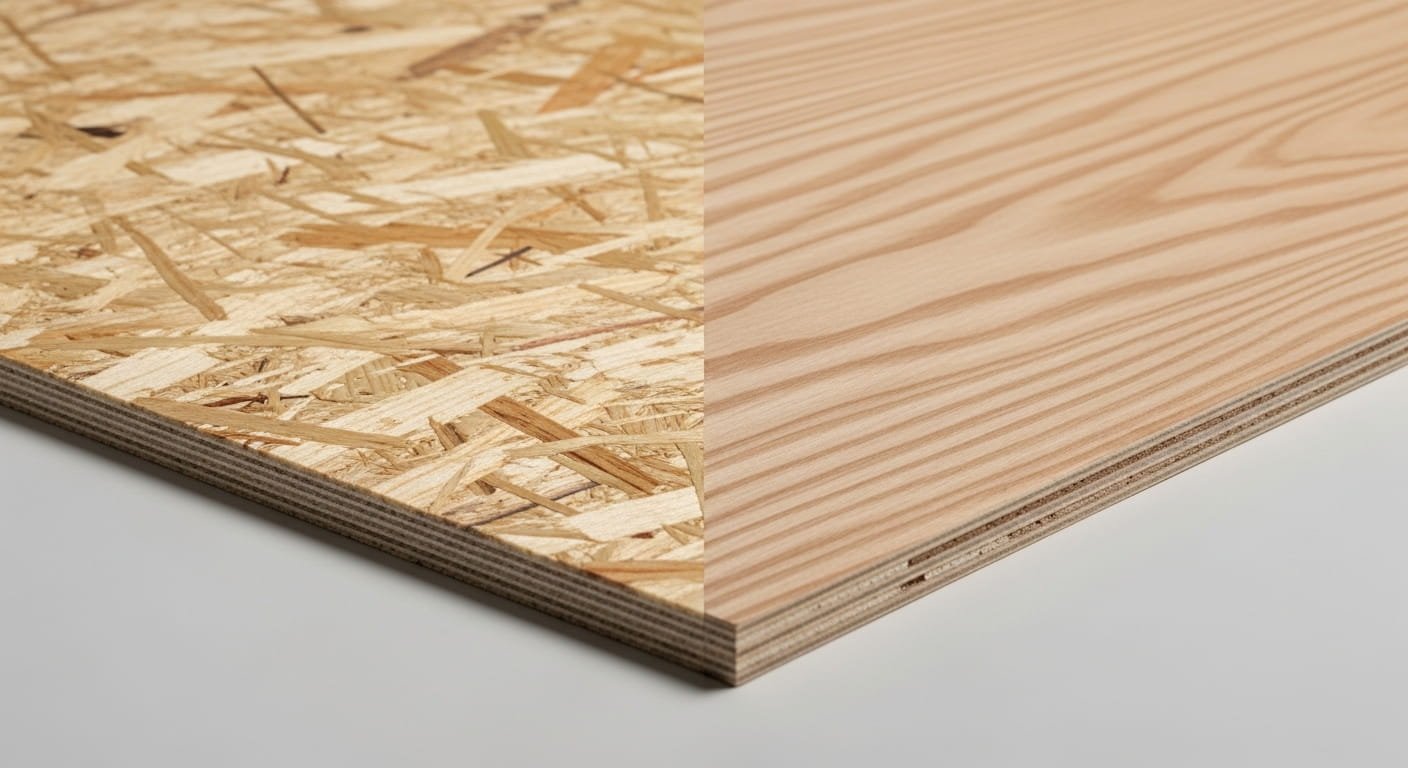
The most common question about OSB is how it compares to plywood. Both are structural wood panels used for roof decking. Both meet building codes. Both are widely available. But they are not identical, and the differences matter in certain situations.
Cost
OSB is consistently less expensive than plywood. A standard 4×8 sheet of 7/16-inch OSB typically costs $10 to $20, while an equivalent sheet of plywood costs $20 to $45. For an average 2,000-square-foot home requiring 65 to 80 sheets of decking, this difference adds up to several hundred dollars in material costs alone. For large-scale new construction projects, OSB’s cost advantage is one of the primary reasons it has displaced plywood as the default choice.
Weight
OSB is heavier than plywood of the same dimensions. A 23/32-inch 4×8 sheet of plywood weighs approximately 67 pounds, while the same size sheet of OSB weighs around 78 pounds. This weight difference has implications for both installation, heavier panels are harder to handle on a roof, and for the cumulative load on roof supports.
Moisture Resistance
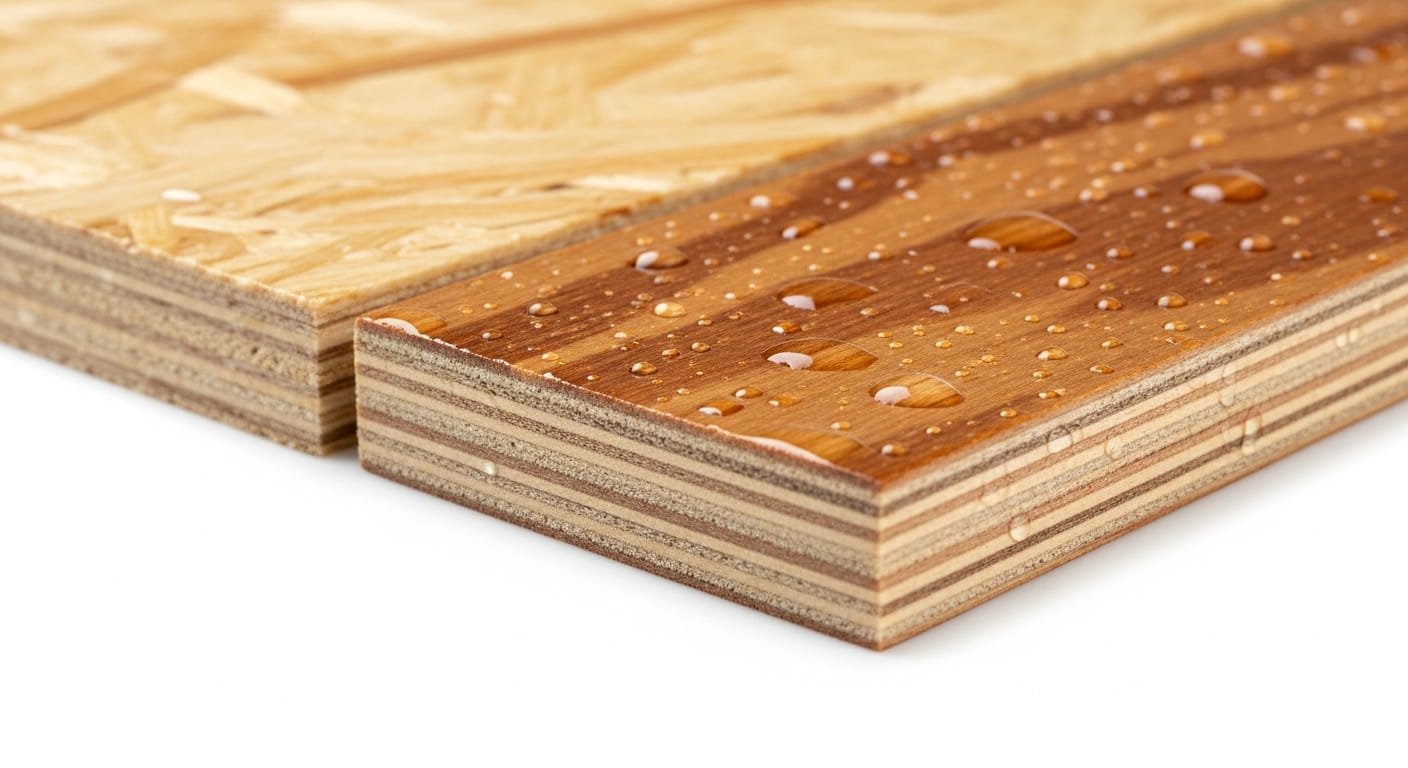
This is where OSB and plywood differ most significantly. Plywood has a clear advantage in moisture resistance:
- OSB absorbs moisture more slowly than plywood, but once wet, it dries much more slowly and swells significantly, especially at the edges. When OSB edge-swells, the swelling is often permanent even after drying.
- Plywood absorbs moisture faster but also dries faster and returns closer to its original dimensions after drying.
In climates with high humidity, frequent rain, or significant snowfall, plywood’s faster drying and better dimensional recovery give it a practical advantage. That said, properly installed OSB with good underlayment and adequate attic ventilation performs well in most climates. The moisture disadvantage becomes significant mainly when OSB is repeatedly or chronically exposed to water.
Strength
OSB and plywood are classified under the same structural category (APA-rated Structural I sheathing), meaning they meet the same building code requirements for most applications. However, plywood is approximately 10% stiffer than OSB of the same thickness. In practical roofing terms, this difference is minor, both materials perform adequately under normal roof loads. One area where the difference shows: nails and screws tend to hold slightly better in plywood over time, particularly in high-wind areas.
Environmental Friendliness
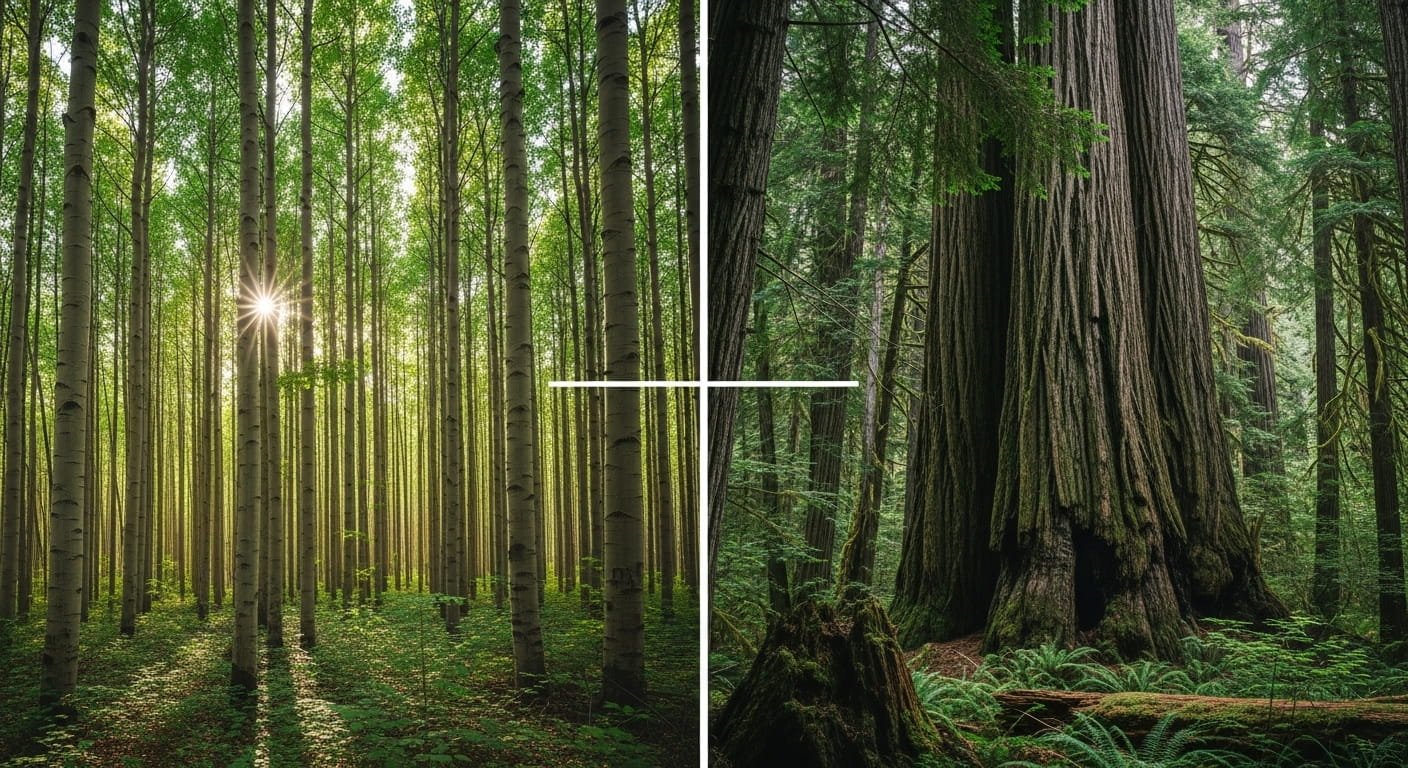
OSB has a genuine environmental advantage over plywood. OSB is manufactured from fast-growing, small-diameter trees, typically aspen and poplar, that can be farmed sustainably. Plywood requires larger diameter logs, which often come from older-growth forests. OSB also uses virtually the entire tree with minimal waste, while plywood production generates significant waste from the peeling process.
Delamination Risk
Plywood carries a delamination risk that OSB does not. Because plywood is made from bonded layers of wood veneer, prolonged exposure to humidity can cause these layers to separate, weakening the panel structurally. OSB, being a single continuous matrix of bonded strands rather than discrete layers, does not delaminate in the same way.
At-a-Glance Comparison
| Factor | OSB | Plywood |
|---|---|---|
| Cost | Lower | Higher |
| Weight | Heavier | Lighter |
| Moisture resistance | Lower | Higher |
| Drying speed when wet | Slower | Faster |
| Edge swelling | More | Less |
| Strength | Similar | ~10% stiffer |
| Delamination risk | None | Some |
| Environmental impact | Better | Lower |
| Fastener holding | Good | Slightly better |
For most residential roofing in moderate climates, OSB is the practical and economical choice. In wet climates, coastal areas, or situations where decking may be exposed to weather during installation, plywood offers meaningful advantages that may justify the higher cost.
OSB Thickness Guide for Roofing
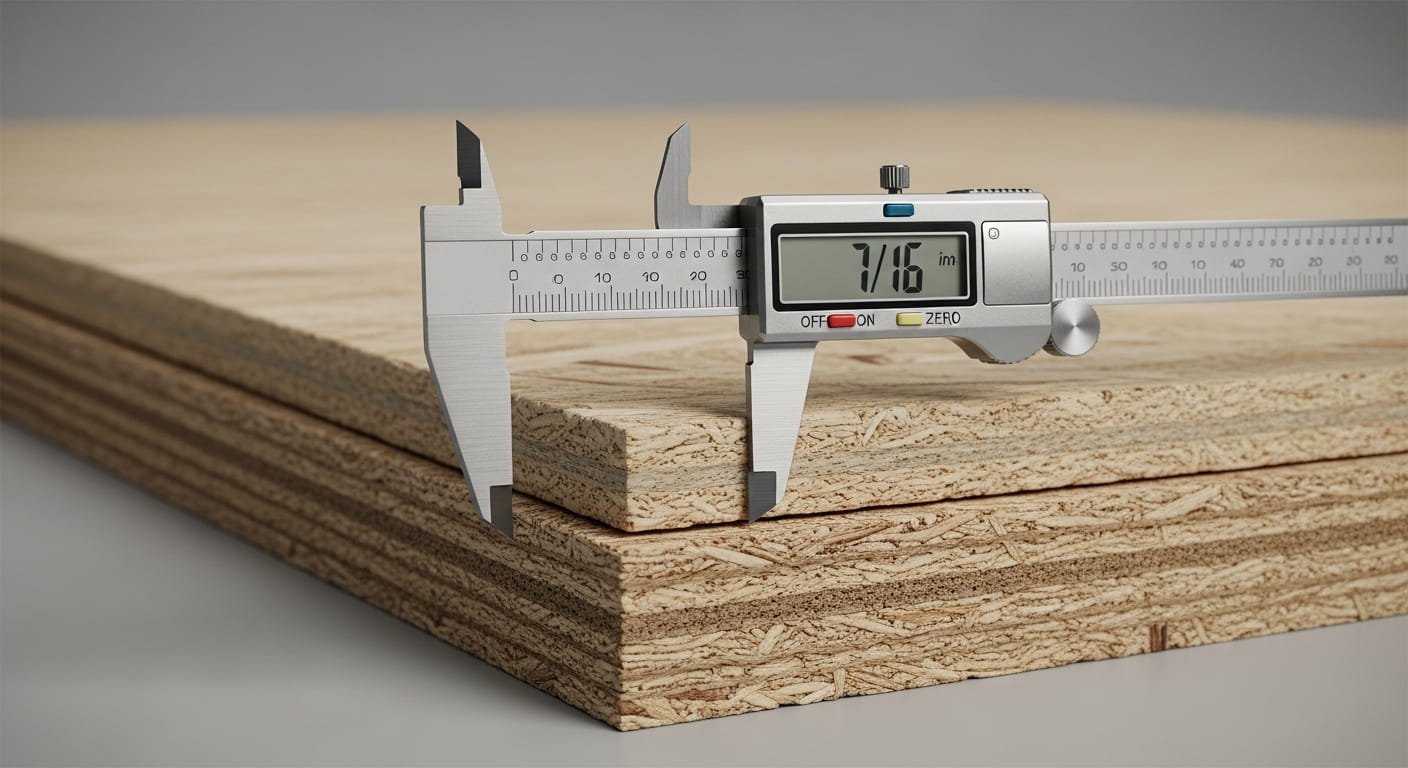
Choosing the right OSB thickness is not optional, it is a structural requirement determined by your rafter or truss spacing and your local building code.
What Thickness OSB for Roof — Complete Chart
| Rafter/Truss Spacing | Minimum OSB Thickness | Recommended |
|---|---|---|
| 16 inches on center | 7/16 inch | 7/16 or 15/32 inch |
| 24 inches on center | 15/32 inch | 15/32 or 1/2 inch |
| Snow load regions | 5/8 inch minimum | 5/8 or 3/4 inch |
| Low-slope roofs | 5/8 inch minimum | 5/8 or 3/4 inch |
Is 7/16 OSB Good for Roofing?
Yes, 7/16-inch OSB is the most commonly used thickness for residential roof decking in the United States, and it meets building code requirements for standard rafter spacing of 16 inches on center. However, 7/16-inch OSB is not appropriate for all situations:
- If your rafters are spaced 24 inches on center, you need a minimum of 15/32 inch
- In regions with significant snow loads, local codes typically require 5/8 inch or thicker
- For heavier roofing materials like tile or slate, thicker decking is generally recommended
Always check your local building code before specifying OSB thickness, requirements vary by jurisdiction and climate zone. Standard OSB panels come in 4×8 foot sheets; larger panels (4×9, 4×10, 4×12) are also available, which can reduce seams and speed installation.
OSB Grades for Roofing
Not all OSB panels are the same. For roofing applications, the relevant grades are:
Suitable for use in humid conditions. This is the standard grade for most residential roofing applications. It meets structural requirements and has adequate moisture resistance for normal construction conditions. For most residential roof installations in the northeastern United States, standard OSB/3 in the appropriate thickness is the correct specification.
A higher-load-bearing grade for use in demanding structural applications. Overkill for standard residential roofing but appropriate for commercial applications or unusually heavy roof loads.
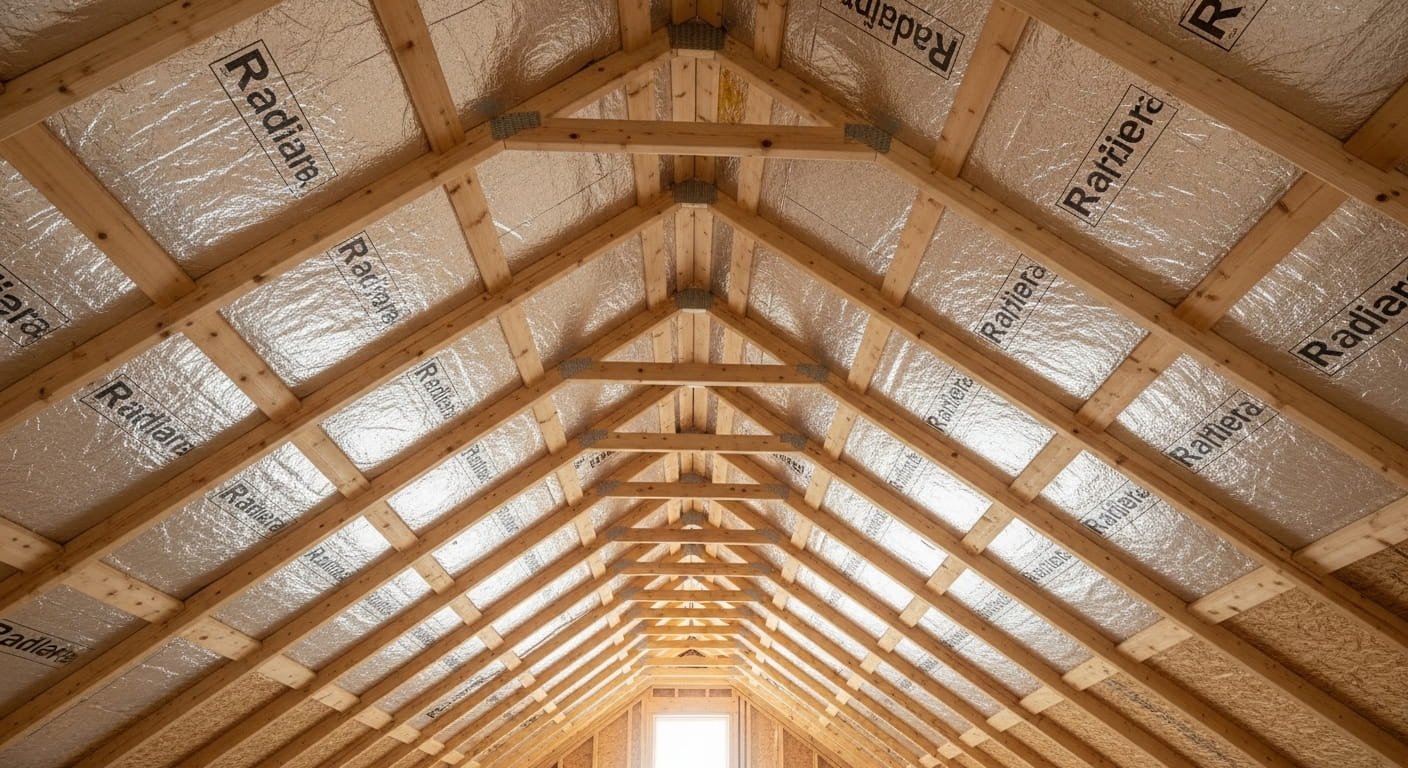
A specialty product with a foil facing on one side that reflects radiant heat. When installed with the foil facing down into the attic, radiant barrier OSB can reduce attic temperatures by up to 30°F, reducing cooling loads and energy costs. This is particularly valuable in hot climates where attic heat gain is a significant issue.
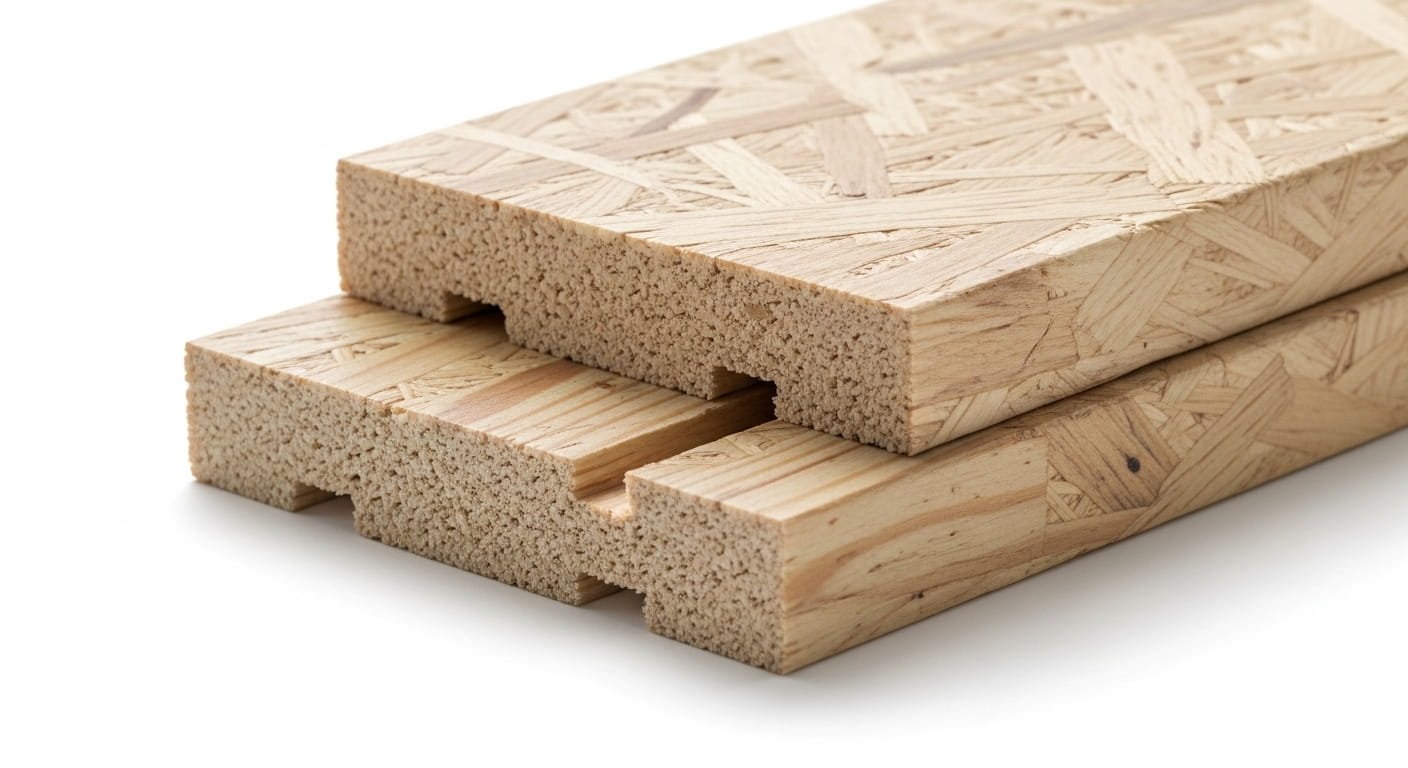
Panels with interlocking edges that fit together without gaps, providing better dimensional stability and eliminating the need for edge blocking between panels. T&G OSB is standard practice for subflooring and is also used in roofing applications where a tighter, more stable deck surface is desired.
Black Spots on OSB Board — What Do They Mean?
Black spots on OSB are one of the most common concerns homeowners raise when they see their roof decking during a replacement or repair. The good news: black spots do not automatically mean your OSB is damaged or needs replacement. But they do require investigation.
What Causes Black Spots on OSB?
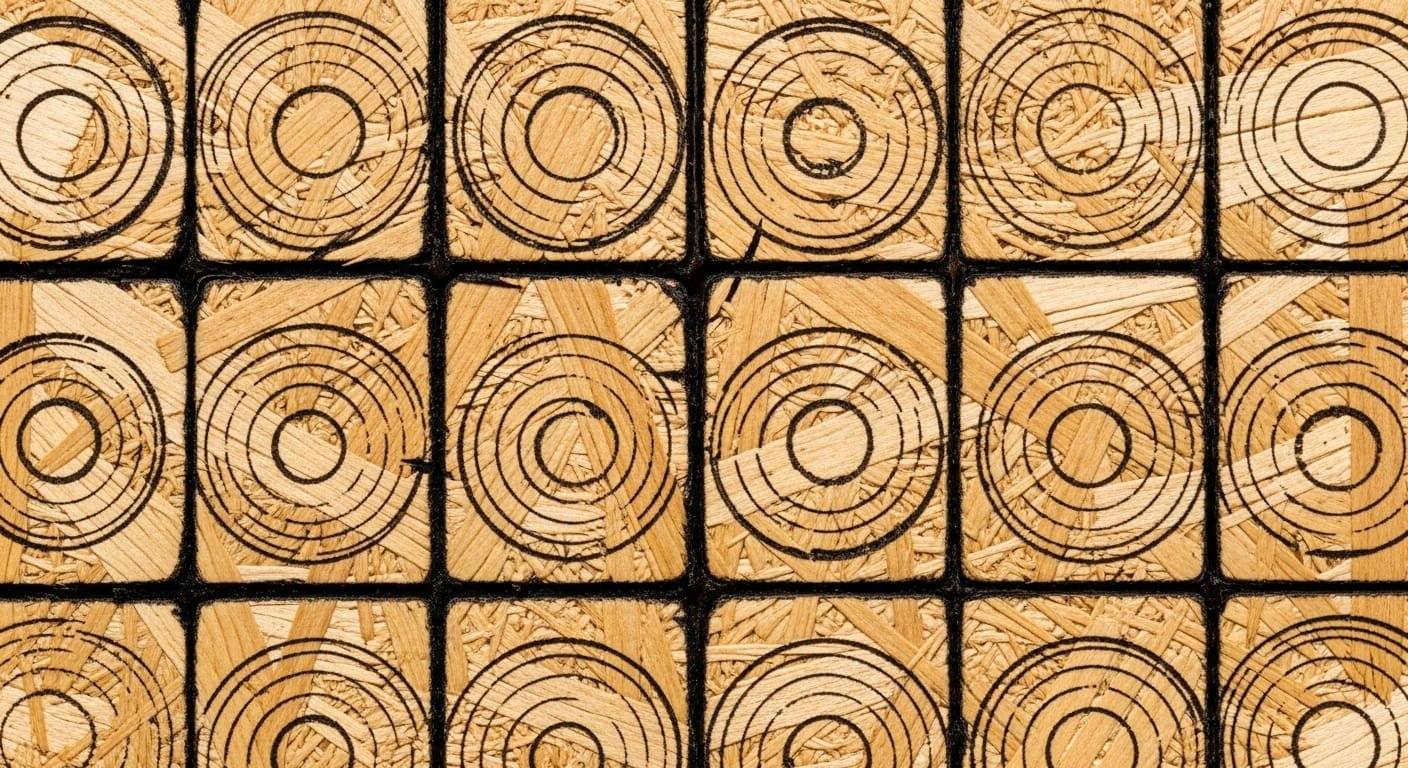
- Factory press marks: During manufacturing, OSB panels are pressed under high heat and pressure using metal cauls. These can leave dark circular or irregular marks on the panel surface. These marks are purely cosmetic and have no structural significance whatsoever.
- Resin bleed: The adhesive resins in OSB can migrate to the surface under heat, creating dark spots or streaks. Again, this is a manufacturing characteristic, not a defect.
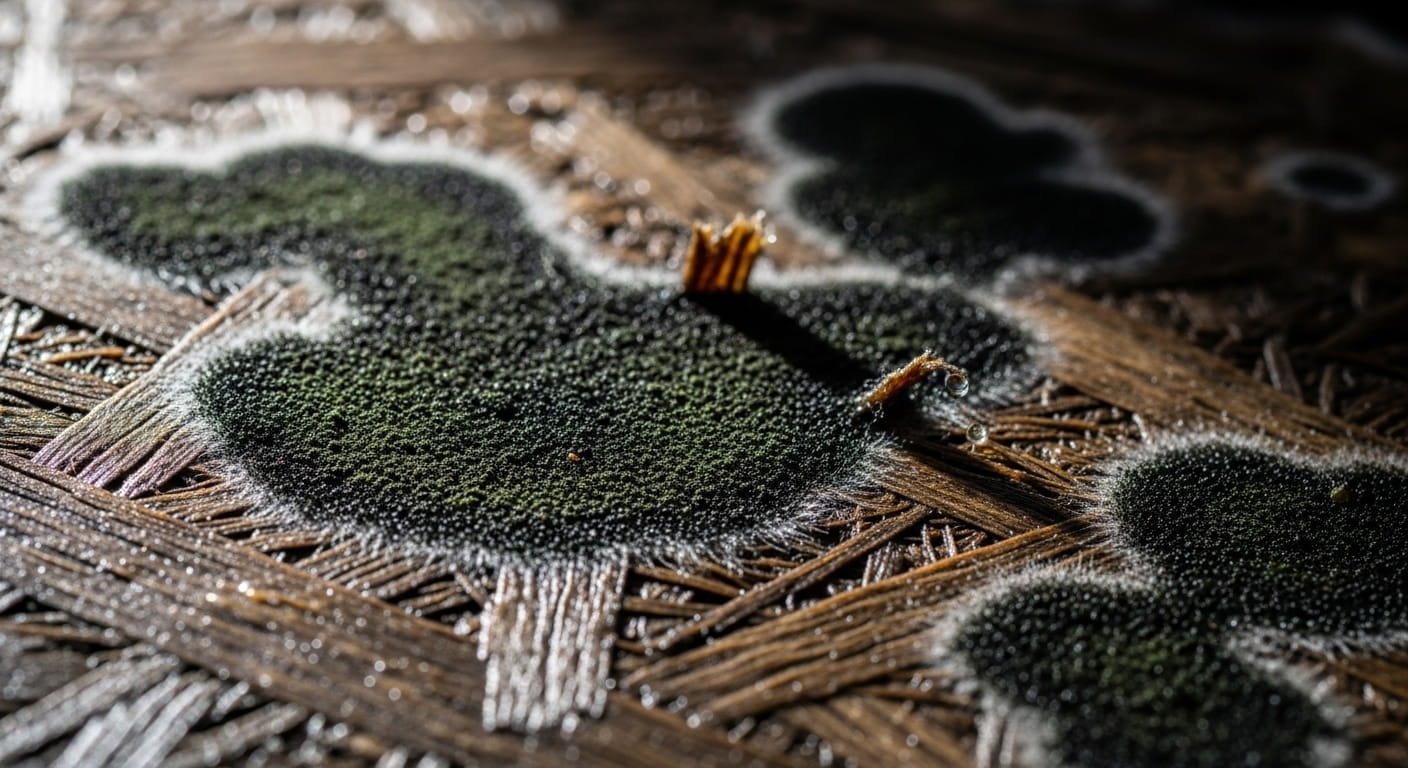
- Mold or mildew: This is the concerning cause. If OSB has been exposed to moisture from a roof leak, condensation, or inadequate ventilation, mold can develop on the surface. Mold spots are typically irregular, fuzzy in texture, and often accompanied by a musty odor.

- Algae or biological growth: Similar to mold but caused by algae. Common in poorly ventilated attic spaces with high humidity.
How to Tell the Difference
| Type | Appearance | Odor | Action Required |
|---|---|---|---|
| Press marks | Perfectly circular or geometric, no texture | None | None, purely cosmetic |
| Resin bleed | Irregular dark areas, slightly shiny | None | None, manufacturing characteristic |
| Mold | Fuzzy or powdery texture, spreads in patterns | Musty | Investigate moisture source, may need replacement |
| Algae | Green-black streaks following water flow | Mild | Improve attic ventilation, treat affected area |
When to Replace OSB With Black Spots
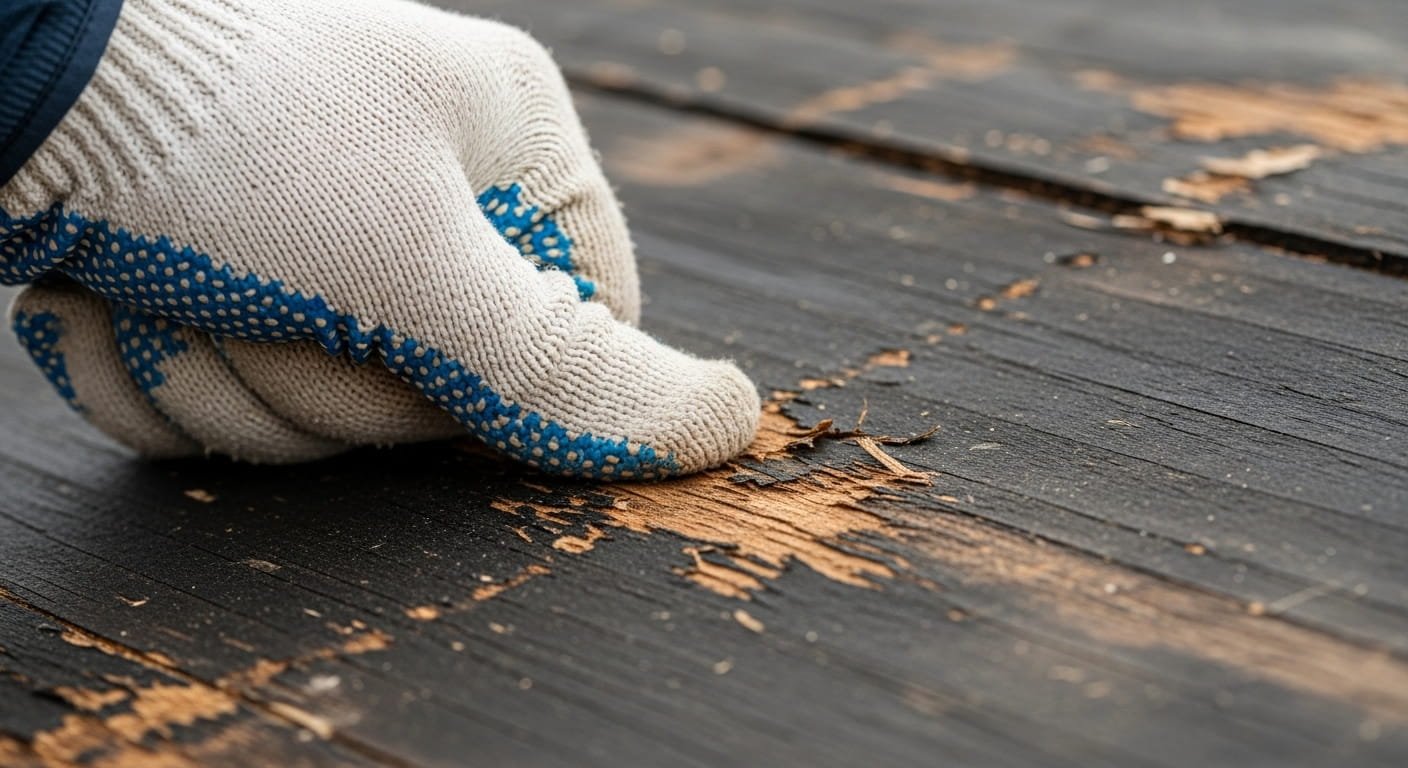
Replace OSB decking when:
- The panel is soft, spongy, or visibly delaminating
- Mold growth covers more than a small area
- The panel shows signs of rot — dark discoloration combined with softness
- There are visible gaps, cracks, or structural damage
If you are unsure whether your OSB decking is sound, a professional roof inspection can assess the condition and advise on whether replacement is necessary.
How Long Does OSB Roof Decking Last?
When properly installed and maintained, OSB roof decking lasts 30 to 50 years — roughly equivalent to the lifespan of the asphalt shingles installed above it. In most cases, OSB decking outlasts the shingles and does not need replacement when shingles are replaced.
Factors that reduce OSB lifespan:
- Chronic moisture exposure: Repeated wetting and drying cycles from roof leaks or condensation accelerate deterioration. OSB that stays wet for extended periods will soften, swell, and eventually rot.
- Inadequate ventilation: Poor attic ventilation leads to condensation on the underside of the OSB decking. Over years, this moisture causes the same damage as a slow leak.
- Deferred repairs: Small roof leaks that are ignored allow water to saturate OSB over time. What starts as a small soft spot can expand to require full deck replacement.
- Installation errors: OSB installed without adequate spacing between panels, panels need approximately 1/8-inch expansion gaps, can buckle as panels expand from moisture absorption.
Maintain the roofing materials above it, ensure adequate attic ventilation, and address leaks immediately when they occur. These three habits alone can add years to your OSB decking’s functional life.
OSB Roofing Installation Tips
Spacing Requirements
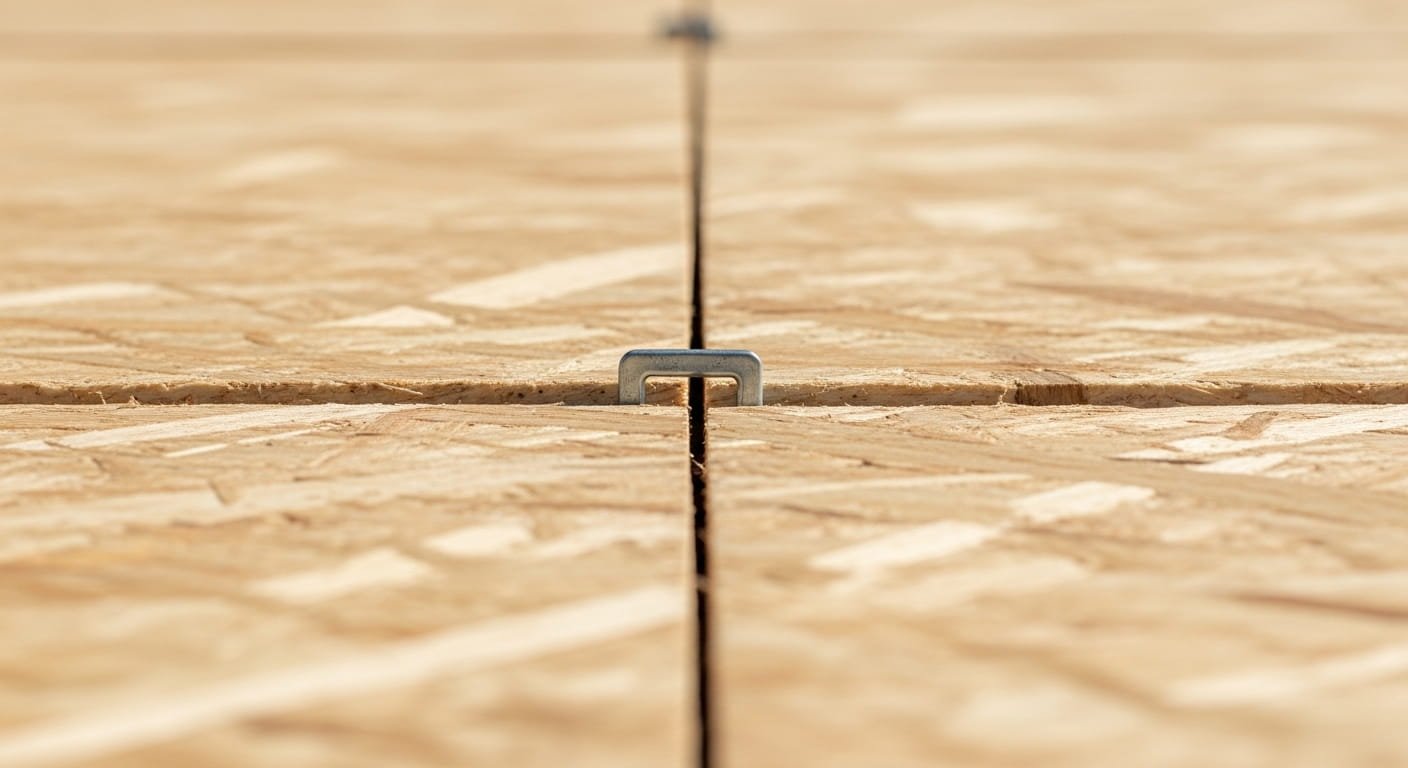
OSB panels must be installed with a 1/8-inch gap between all panel edges to allow for expansion. Without this gap, panels can buckle when they absorb moisture, creating visible ridges in the shingle surface. Some panels come with built-in spacing clips; otherwise, spacers must be used during installation. Panel joints should be staggered, never aligned in a continuous line across the roof, to distribute loads and prevent weak seams.
Fastener Guidelines
OSB decking is typically fastened with:
- Nails: 8d common nails (2.5 inches) for panels up to 1/2 inch thick; 10d nails for thicker panels
- Spacing: 6 inches on center along panel edges, 12 inches on center in the field
- Pneumatic nailers are standard for production roofing; hand nailing is acceptable
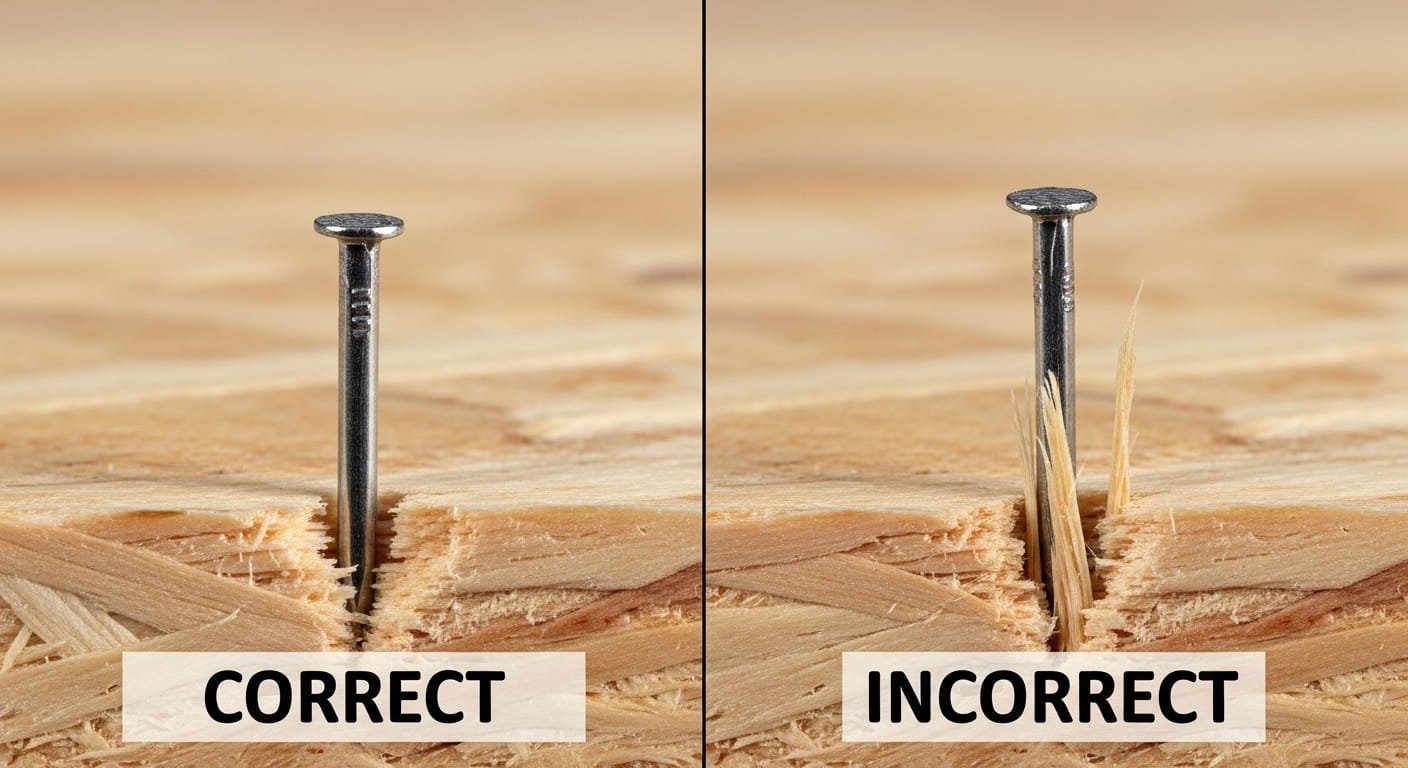
Nails must be driven flush, not countersunk, and must hit the rafter or truss beneath. Nails that miss framing members provide no structural connection and create potential leak points.
Ventilation Requirements
Adequate attic ventilation is essential for OSB longevity. The standard requirement is 1 square foot of net free ventilation area for every 150 square feet of attic floor area, with balanced intake (soffit) and exhaust (ridge) venting. Proper airflow keeps the underside of the OSB dry and prevents the condensation that leads to mold and premature deterioration.
Can You Reuse OSB When Re-Roofing?
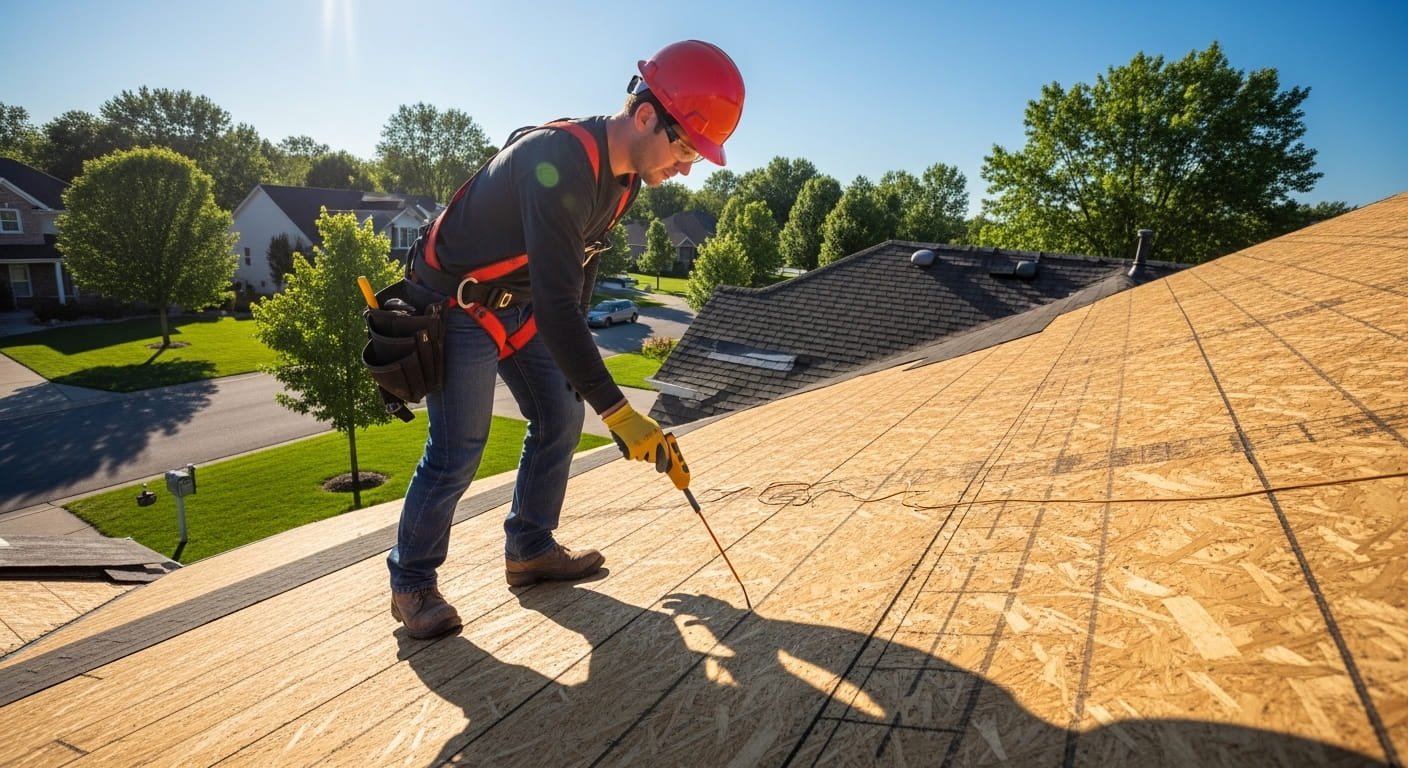
Existing OSB decking can be reused during a re-roofing project if it is structurally sound, no soft spots, no rot, no significant moisture damage, and no excessive nail holes from previous installations. Your roofer will walk the deck during tear-off and probe for soft areas. Any compromised sections must be cut out and replaced with new panels before new shingles are installed. Attempting to shingle over damaged decking is a serious mistake, soft or swollen OSB will not hold nails properly, and any underlying moisture will continue to deteriorate the new installation from beneath.
OSB Roofing Cost
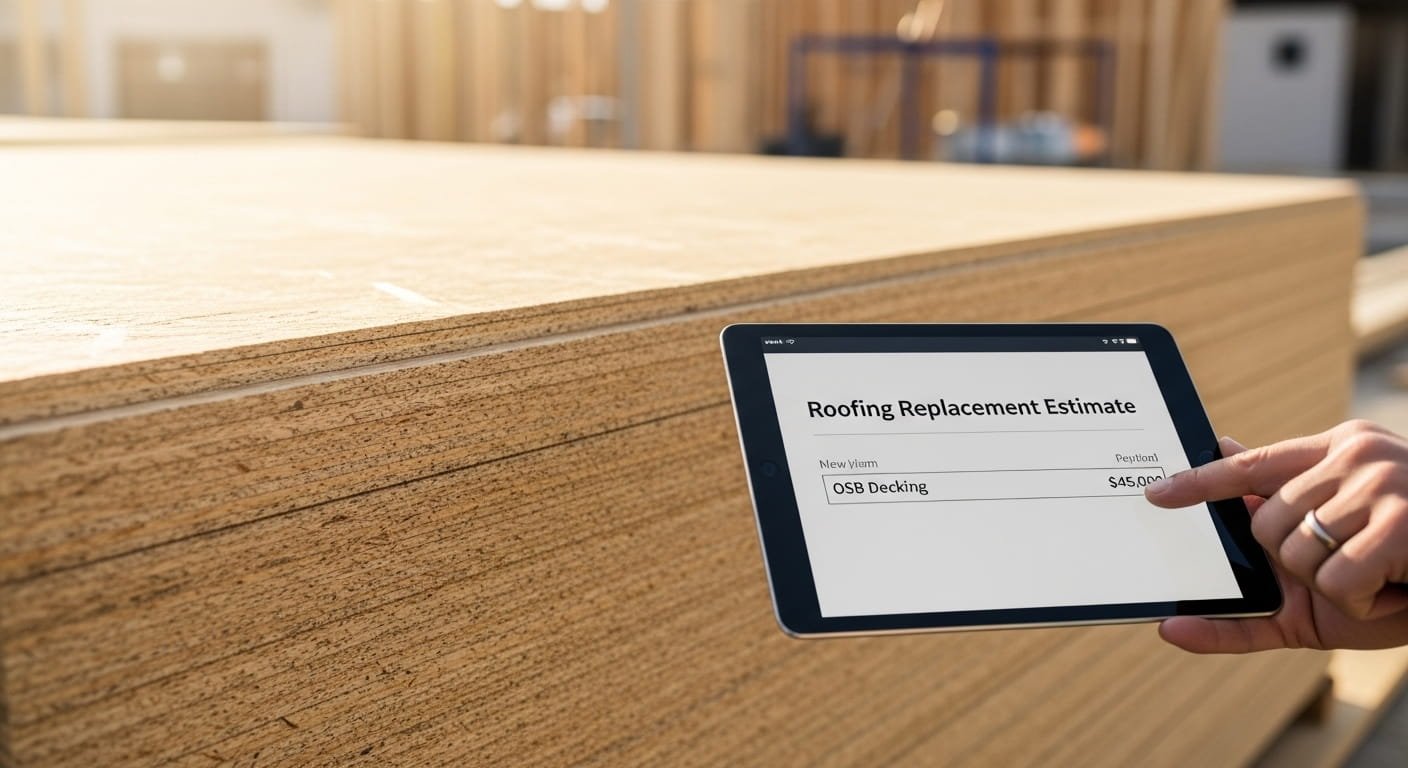
OSB prices vary by thickness, grade, region, and market conditions. Here is a realistic cost breakdown:
Cost Per Sheet by Thickness
| Thickness | Typical Cost Per Sheet |
|---|---|
| 7/16 inch | $10 – $18 |
| 15/32 inch | $14 – $22 |
| 1/2 inch | $15 – $24 |
| 5/8 inch | $20 – $32 |
| 3/4 inch | $25 – $40 |
Total Material Cost for Average Home
For a 2,000-square-foot home requiring approximately 65 to 80 sheets of 7/16-inch OSB:
- Material cost only: $650 – $1,440
- Installation (labor + materials): $1.50 – $3.00 per square foot of roof area
- Complete deck replacement on average home: $2,000 – $5,000 installed
By comparison, plywood decking of equivalent thickness costs 30 to 50 percent more in materials alone. If you are budgeting for a full roof replacement, deck replacement is typically priced separately from shingle installation and is charged per sheet or per square foot of decking replaced.
Disadvantages of OSB Board
No material is perfect. The main disadvantages of OSB for roofing are:
| Disadvantage | Details | Severity |
|---|---|---|
| Moisture sensitivity | Edge swelling from water can be permanent; slow drying accelerates deterioration | HIGH |
| Slow drying | Exposure to rain during install requires extended drying time before shingling | MEDIUM |
| Weight | Heavier than plywood, harder to handle on a roof and adds cumulative load | MEDIUM |
| Nail holding in high wind | Holds fasteners slightly less securely than plywood in hurricane or severe storm zones | MEDIUM |
If your home is in a high-wind zone, discuss fastening specifications with your roofer, hurricane protection starts with proper decking fastening.
Frequently Asked Questions About OSB Roofing
Can you use OSB for roofing?
Yes. OSB is the most widely used roof decking material in the United States and meets building code requirements for structural roof sheathing. It provides a solid, consistent surface for attaching shingles, metal panels, tile, or any other roofing material.
What is OSB board on a roof?
OSB on a roof is the structural decking layer nailed directly to the rafters or trusses. It forms the continuous surface to which roofing materials are fastened and distributes roof loads across the framing system. It sits beneath the underlayment and shingles and is not visible from the outside.
What are the disadvantages of OSB board?
The main disadvantages are moisture sensitivity, OSB swells at the edges when wet and dries slowly, slightly lower strength than plywood, heavier weight, and marginally lower fastener-holding capacity over time. These disadvantages are manageable with proper installation and maintenance in most climates.
Is OSB stronger than plywood?
Plywood is approximately 10% stiffer than OSB of the same thickness, giving it a slight strength advantage. However, both materials are classified under the same structural category (APA Structural I) and meet the same building code requirements for roof decking. In practical terms, both are adequately strong for residential roofing.
Is OSB better than plywood for roof decking?
For most residential roofing in moderate climates, OSB is the practical choice due to its lower cost and consistent quality. Plywood has advantages in wet climates or situations where decking may be exposed to weather during construction. Neither is universally better, the right choice depends on your climate, budget, and specific project conditions.
Is 7/16 OSB good for roofing?
Yes. 7/16-inch OSB is the standard thickness for residential roof decking with rafters spaced 16 inches on center and meets building code requirements for most jurisdictions. For 24-inch rafter spacing or snow load regions, thicker panels are required.
What thickness OSB for roof?
The minimum thickness depends on rafter spacing: 7/16 inch for 16-inch spacing, 15/32 inch for 24-inch spacing, and 5/8 inch or greater for snow load regions or low-slope roofs. Always verify requirements with your local building code.
What causes black spots on OSB board?
Black spots on OSB can be caused by factory press marks (harmless), resin bleed (harmless), or mold and mildew from moisture exposure (requires investigation). Factory marks are geometric and have no odor. Mold has a fuzzy texture and musty smell and indicates a moisture problem that needs to be addressed.
How long does OSB roof decking last?
Properly installed and maintained OSB roof decking lasts 30 to 50 years, roughly equivalent to the lifespan of the shingles above it. Lifespan is shortened by chronic moisture exposure from leaks, inadequate attic ventilation, or deferred roof repairs.
Conclusion
OSB is the right choice for the vast majority of residential roof decking applications. It is affordable, structurally sound, environmentally responsible, and widely available. When installed correctly with proper underlayment, adequate ventilation, and quality roofing materials above it, OSB roof decking will last as long as your roof.
The key is proper installation and maintenance. Address leaks immediately, ensure your attic is properly ventilated, and have your roof inspected periodically. If you are planning a roof replacement or suspect your decking may be compromised, contact EZ Roofing & Builders for a professional assessment. Our team inspects the full roofing system, including the decking, to ensure your new roof is built on a solid foundation.
Schedule a roof inspection today and get expert advice on whether your OSB decking needs replacement. A professional inspection typically costs $100–$300 and can save you thousands by giving you an accurate diagnosis, before you spend money in the wrong direction. Contact us today to get started.