Key Takeaways
- Screws for metal roofing are not one-size-fits-all — the right type, length, and material depends on your panel system, substrate, and local climate.
- EPDM rubber washers are a non-negotiable part of any exposed fastener installation, as they create the watertight seal that keeps leaks out for years.
- The general rule for screw length is simple: always add at least half an inch beyond the depth of the wood or substrate you are fastening into.
- Over-tightening a screw is just as damaging as under-tightening — both lead to water infiltration, stripped threads, and premature roof failure.
- Galvanized screws work well for standard steel roofs, but stainless steel screws are the smarter choice for coastal areas or high-humidity environments.
- On average, a metal roof needs approximately 80 to 100 screws for metal roofing per 100 square feet, though wind load and panel profile can raise that number.
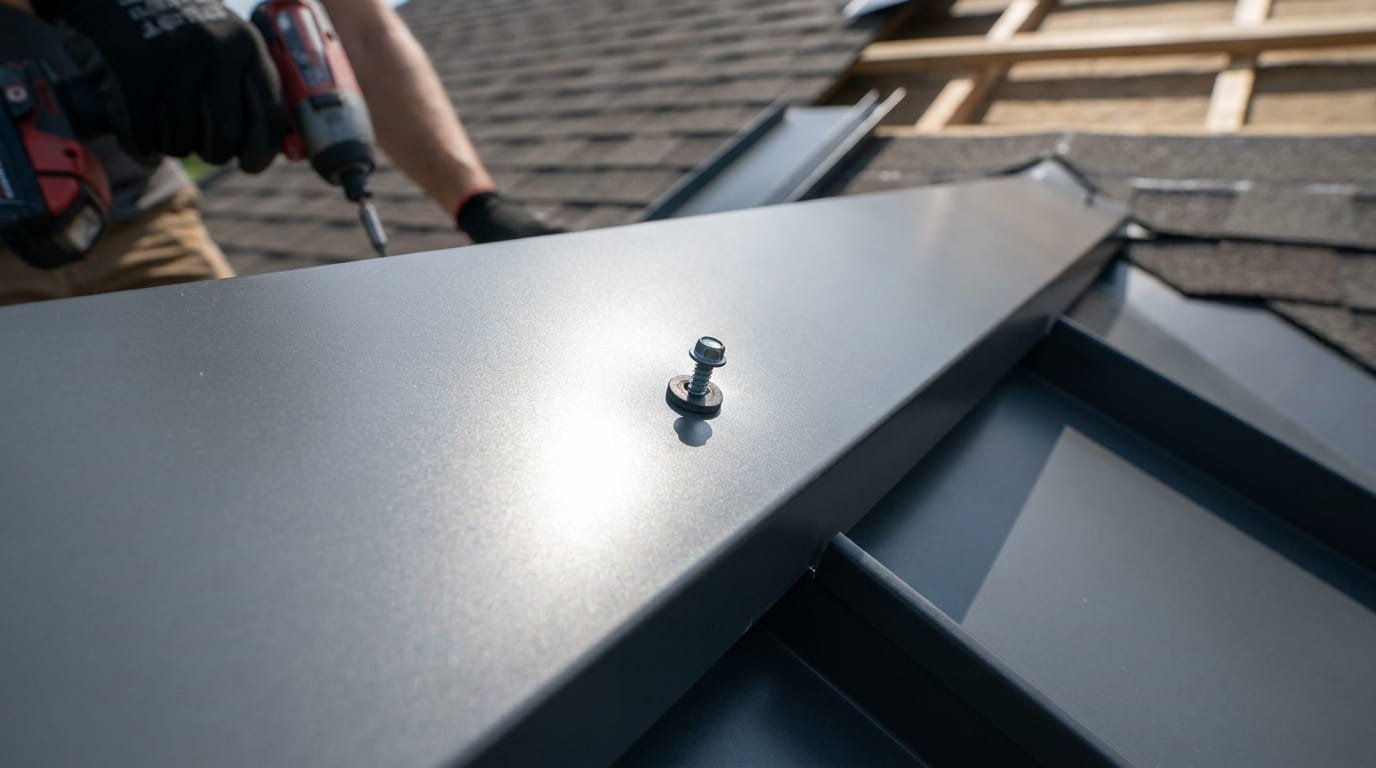
When most people think about what makes a metal roof last, they picture the heavy-duty steel panels or the quality of the underlayment. Very few people think about the small fasteners that hold everything together. But here is the truth: screws for metal roofing are one of the most critical components of the entire system.
They are the connectors between your roof panels and the structure of your home, and when they fail, everything fails. A loose screw does not just let water in at one point. It starts a chain reaction: water seeps in, wood rots, rust spreads, and what started as a minor oversight becomes a major structural problem.
The wrong screw may seem like a minor detail, but it can lead to leaks, premature wear, and costly installation problems later on. Forbes Advisor notes that homeowners insurance generally does not cover damage caused by faulty or defective workmanship, and identifies roof leaks as one of the most common roofing repairs while also pointing to poor installation as a major warning sign. That is why metal roof screws are not just basic hardware.
They are a critical part of the roof system that helps keep water out and supports long term performance. Whether you are installing a new metal roof, replacing an older one, or simply trying to understand what your contractor is using on your home, this guide covers what you need to know about screw types, materials, sizing, installation, and appearance.
Types of Metal Roofing Screws
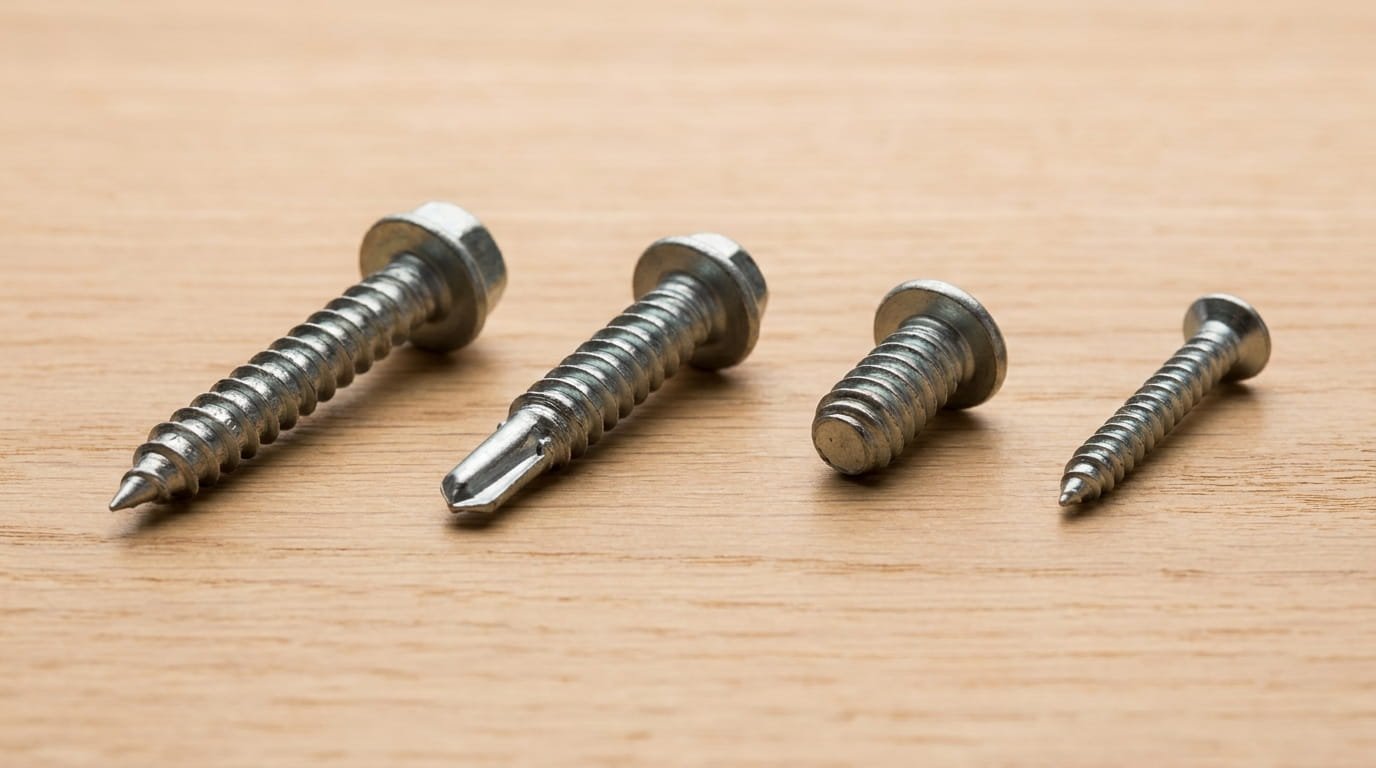
There is no single screw that works for every metal roofing application. Different parts of your roof, different panel systems, and different substrates all call for different fasteners. Understanding the four main categories of screws for metal roofing will save you time, money, and headaches.
Here is a breakdown of the most commonly used types and where each one belongs:
- Wood-to-Metal Screws: These are the workhorses of residential roofing. They are used when you are attaching a metal panel directly to a wood structure, like plywood decking, rafters, or wooden purlins. They feature coarse threads that grip wood firmly while the tip pierces through the metal panel above. These are your go-to for most standard residential installations. The coarse threading creates a tight, pull-resistant hold that standard screws simply cannot match.
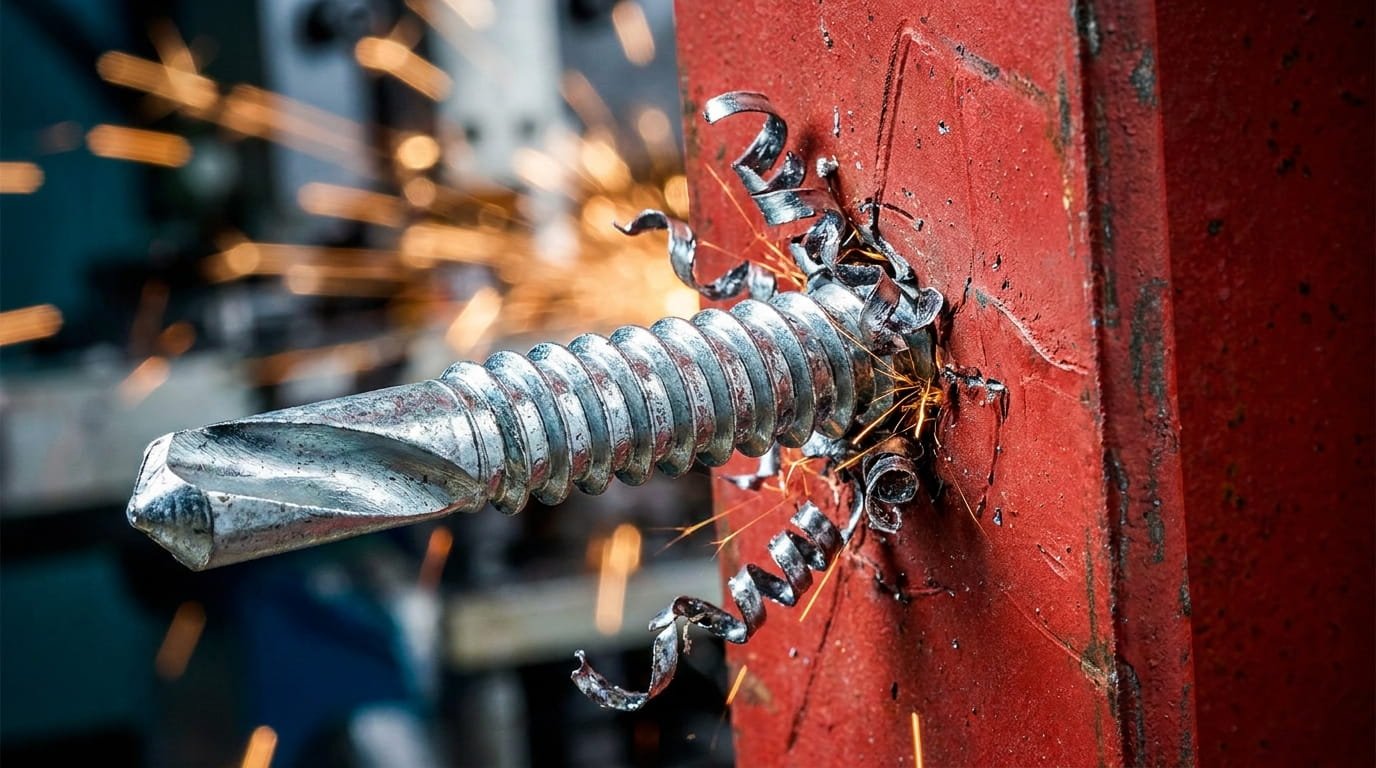
- Metal-to-Metal Self-Tapping (Tek) Screws: Also known as Tek screws, these come with a drill-bit-style tip that lets them create their own hole in metal without any pre-drilling. They are ideal for commercial or agricultural buildings where metal panels are being fastened to steel purlins or metal I-beams. They are fast, efficient, and strong. If your project involves attaching metal to metal rather than metal to wood, this is the screw you want.

- Stitch or Lap Screws: These are used specifically to connect two overlapping metal panels to each other, rather than to a substrate below. They are shorter than standard panel screws and are designed to stitch the seam together for a tight, watertight lap joint. They are commonly used along panel edges and overlapping seams where extra protection against water infiltration is needed.
- Trim Screws: Think of these as the finishing touch. Trim screws are used to attach metal flashing, ridge caps, drip edges, and other decorative or functional trim elements. They are typically smaller in diameter and shorter in length, and they are almost always available in color-matched finishes so they blend seamlessly into the overall appearance of your roof.
Material and Coating: How to Protect Against Rust
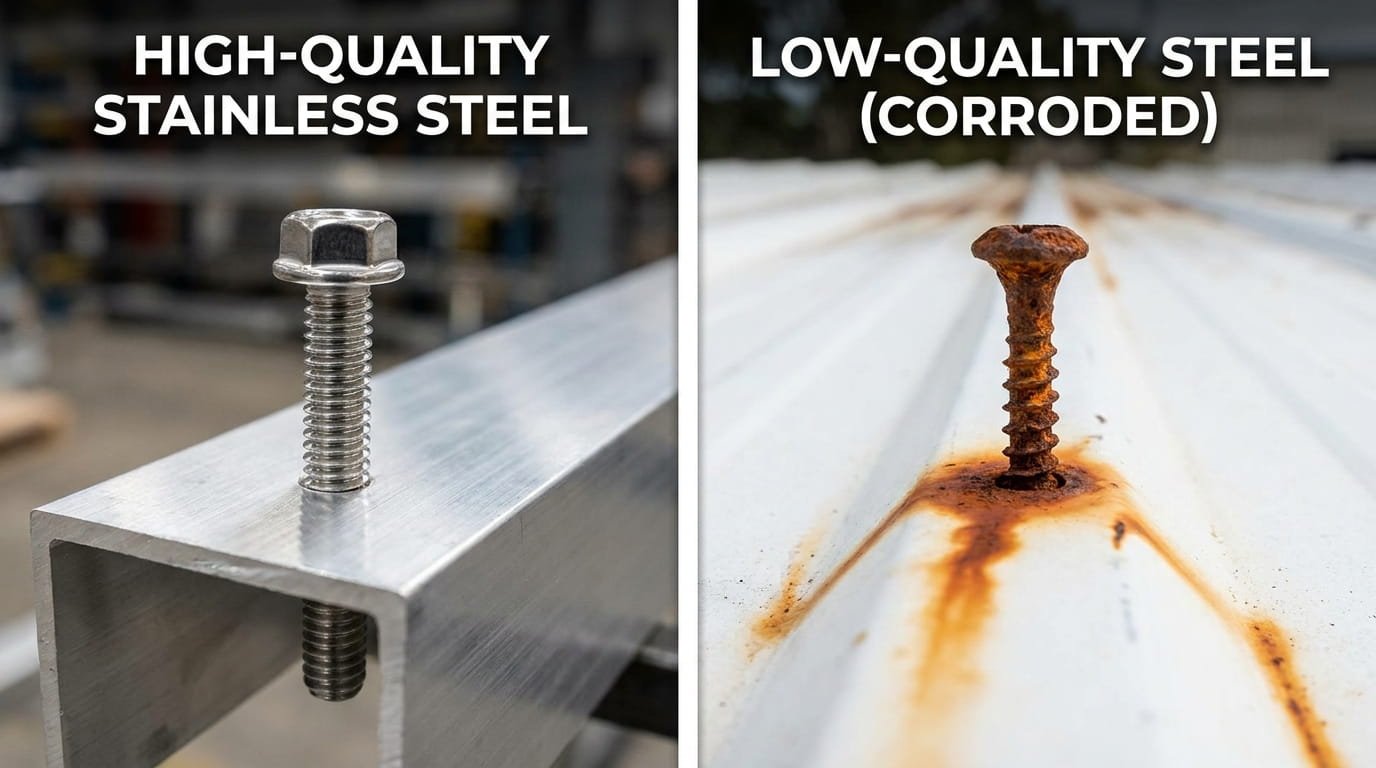
Choosing the right material and coating for your screws for metal roofing is not just about longevity. It is about making sure the screw and the panel are chemically compatible, because the wrong pairing can actually accelerate corrosion through a process called galvanic action.
Here is what you need to know about the most common materials, coatings, and washers used in metal roofing fasteners:
- Galvanized Steel Screws: These are the most common and most affordable option on the market. They are coated with a layer of zinc that acts as a sacrificial barrier against rust. For most standard steel roofing applications in non-coastal environments, galvanized screws are perfectly adequate. They are widely available and cost-effective, making them the default choice for many residential projects.
- Stainless Steel Screws: If you live near the coast, in a humid climate, or in an area with harsh winters and road salt in the air, stainless steel is the better investment. Type 304 stainless steel is recommended for aluminum roofing panels. Type 410 stainless steel, often copper-plated, is the correct choice for copper roofing. Stainless steel costs more upfront but dramatically reduces long-term maintenance costs and screw failures.
- Zinc Coating and Its Importance: Zinc coating is the first line of defense against oxidation. The thicker the zinc coating, the longer the screw resists rust. For most standard residential applications, a standard G90 galvanized coating works well. For more exposed or demanding environments, look for screws with heavier coatings or additional PVC or epoxy finishes for added protection.
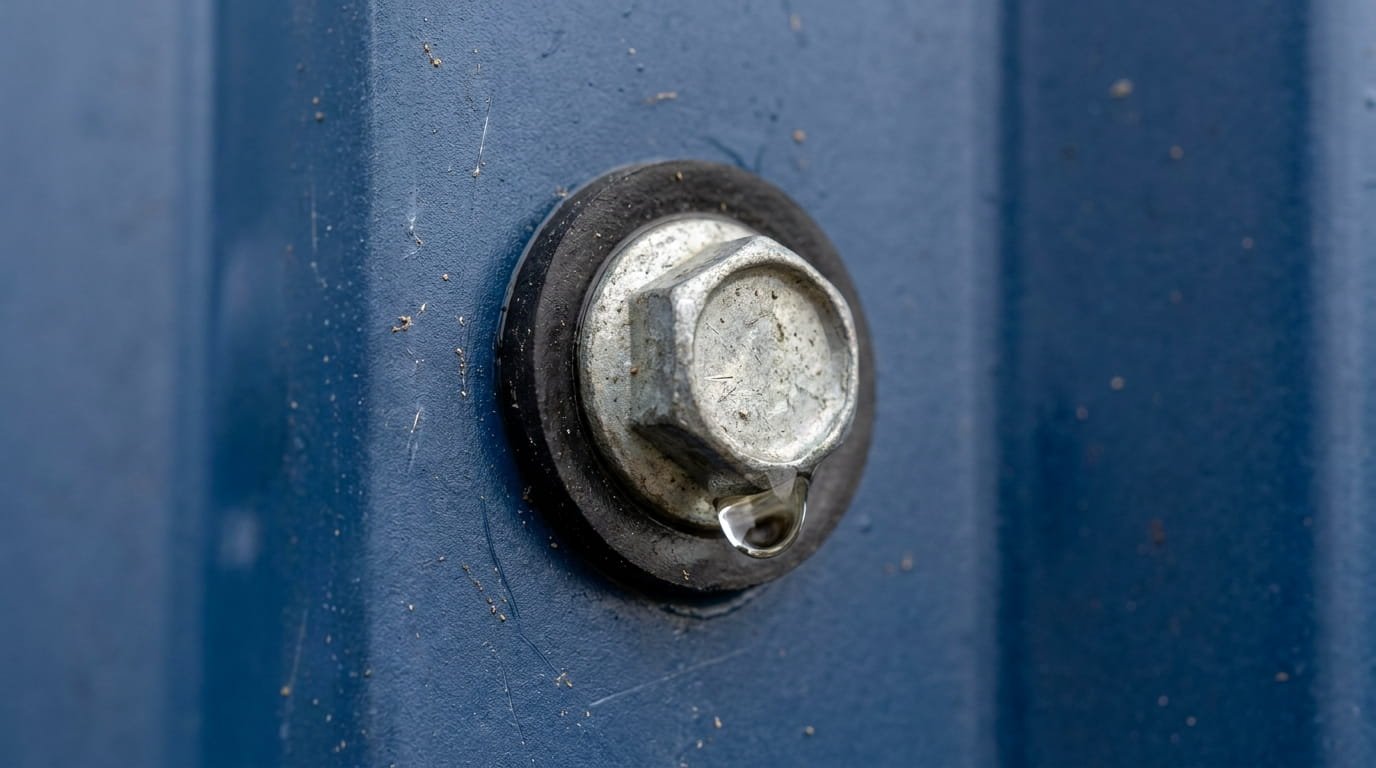
- EPDM Rubber Washers: EPDM (Ethylene Propylene Diene Monomer) washers are the small rubber discs attached to the underside of exposed fastener screw heads. They serve a critical purpose: as the screw is driven into the panel, the washer compresses and creates a flexible, watertight seal around the hole. Without a properly functioning EPDM washer, every screw hole is a potential entry point for water.
Metal Roofing Screw Length Guide
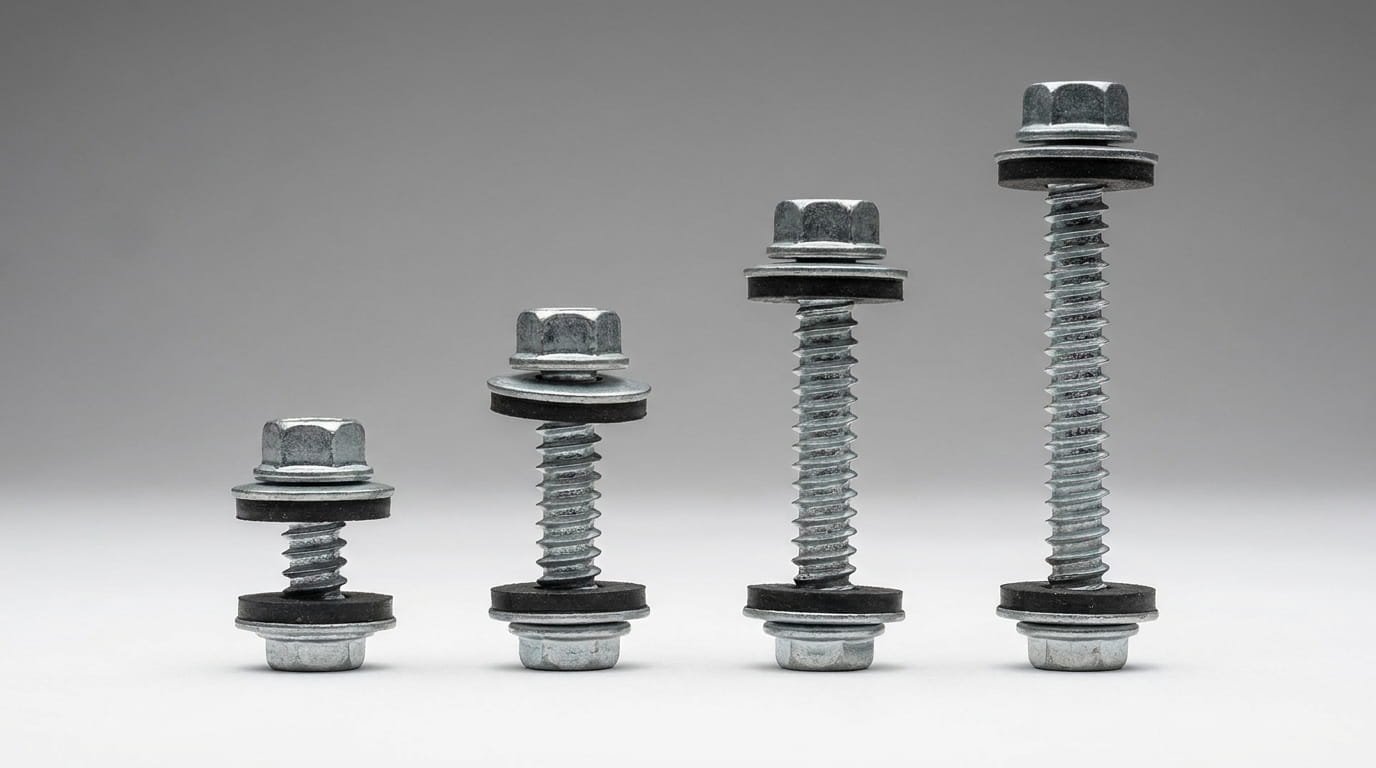
Getting the length right is one of the most important decisions you will make when selecting screws for metal roofing. Too short, and the screw will not anchor properly into the substrate. Too long, and it can back out over time, damage the structure below, or create unnecessary stress on the panel.
Here is a practical breakdown of the most common screw lengths and when to use each one:
- 1-Inch Screws: These are commonly used in standing seam roofing applications where panels mount to shallow wood decking or light gauge framing. They penetrate approximately three-quarters of an inch into the layer below, making them ideal for lighter applications where you do not need deep penetration. They are also frequently used with concealed fastener panels where a low-profile installation is preferred.
- 1.25-Inch to 1.5-Inch Screws: This is the most common length range for standard residential metal roofing. A 1.5-inch screw provides about 1.25 inches of penetration depth into the substrate, delivering a strong, reliable hold. These work well for most five-rib panel systems installed directly over solid wood decking. They are versatile enough for high-wind areas and reliable enough for everyday residential use.
- 2-Inch Screws: When you are fastening through overlapping panels, ridge caps, or roofing systems with an added insulation layer beneath the metal, 2-inch screws are the standard recommendation. They ensure thread engagement through multiple material layers and anchor firmly into the structural wood below. If your roofing involves 7/8-inch corrugated panels or double layer applications, 2-inch screws are a must.
- 2.5-Inch Screws and Beyond: These are used in retrofit situations where new metal panels are being installed over an existing roof, or in commercial applications with thick purlins and insulated panels. The extra length accounts for the additional material depth and ensures the screw anchors into solid structure rather than floating in insulation.
How Many Screws Do You Actually Need?
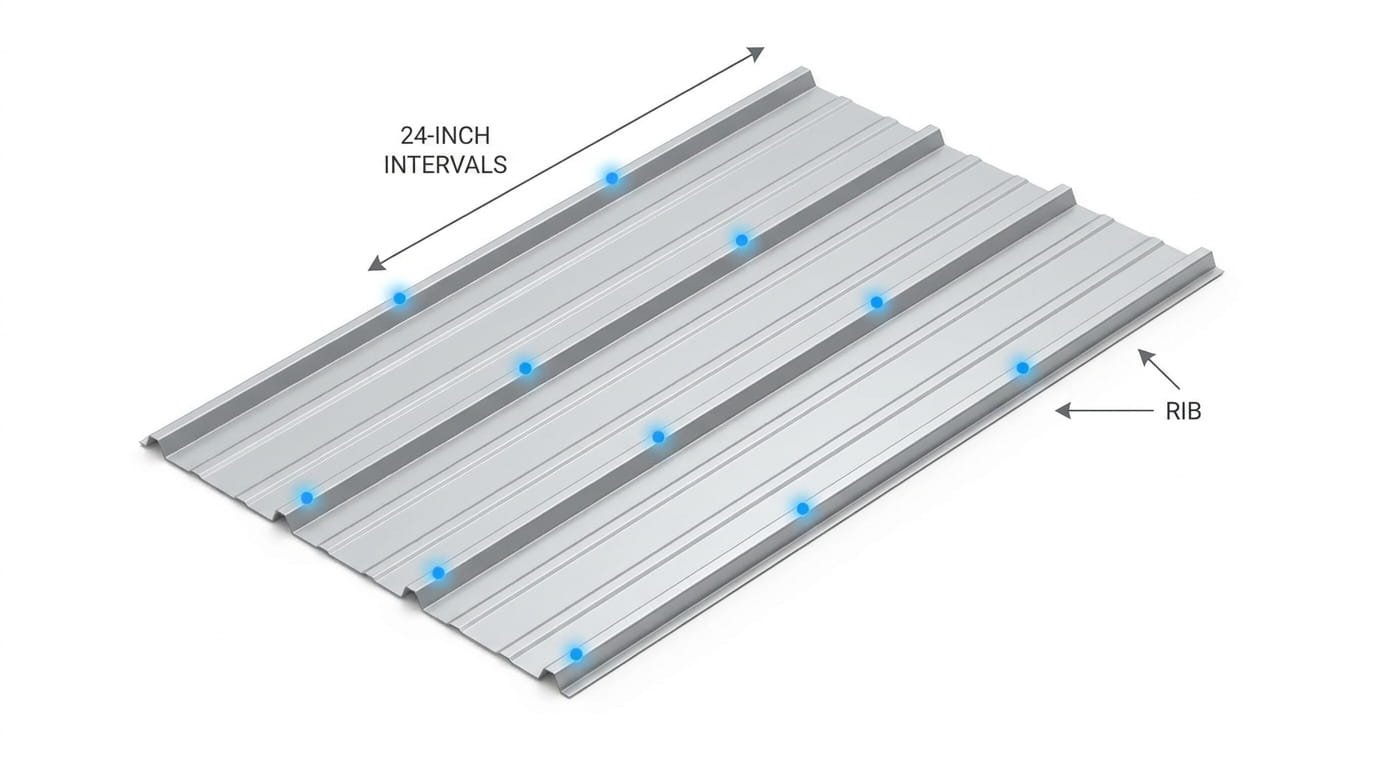
One of the most common questions homeowners and first-time installers ask is: how many screws for metal roofing do I actually need to buy? Getting this calculation right matters, both for structural performance and budget planning.
The industry standard is approximately 80 to 100 screws per 100 square feet of metal roofing, though this number can vary based on panel profile, wind load requirements, and spacing patterns. Here are the factors that influence the final count:
- Standard Spacing Rule: A reliable industry baseline is about 20 screws per square of roofing (one square equals 100 square feet), based on fastening every 24 inches in rows running from the top of the panel to the bottom. On a five-rib panel, this means placing one screw beside each of the five ribs every 24 inches vertically, creating a consistent and structurally sound pattern.
- Wind Load and Local Building Codes: In high-wind zones, particularly along coastal areas of the Northeast, closer screw spacing is required. Some areas call for screws every 12 inches along panel edges and 24 inches in the field of the panel. Always check local building codes before finalizing your screw count and pattern. If you are in Nassau County or Queens County and unsure about local code requirements, consulting a licensed local contractor is always the safest move.
- Panel Width and Profile: Wider panels naturally require more screws per row. Five-rib panels, corrugated panels, and R-panels all have different rib spacing, which directly affects how many fastening points exist per linear foot of panel. For a full breakdown of material quantities, see our guide on how many sheets of metal roofing you need.
- A Safe Estimate for Buying: Always buy 10 to 15 percent more screws than your calculated number. Drops happen, threads strip, and you will always want a few extras on hand for touch-ups after the installation is complete.
Correct Installation Technique
Even the best screws for metal roofing will fail if they are installed incorrectly. Installation technique is where a lot of DIY projects and even some professional jobs go wrong. Understanding the two most common errors, and how to avoid them, will dramatically extend the life of your roof.
Here are the most important installation principles every installer needs to follow:
Under-Tightening vs. Over-Tightening
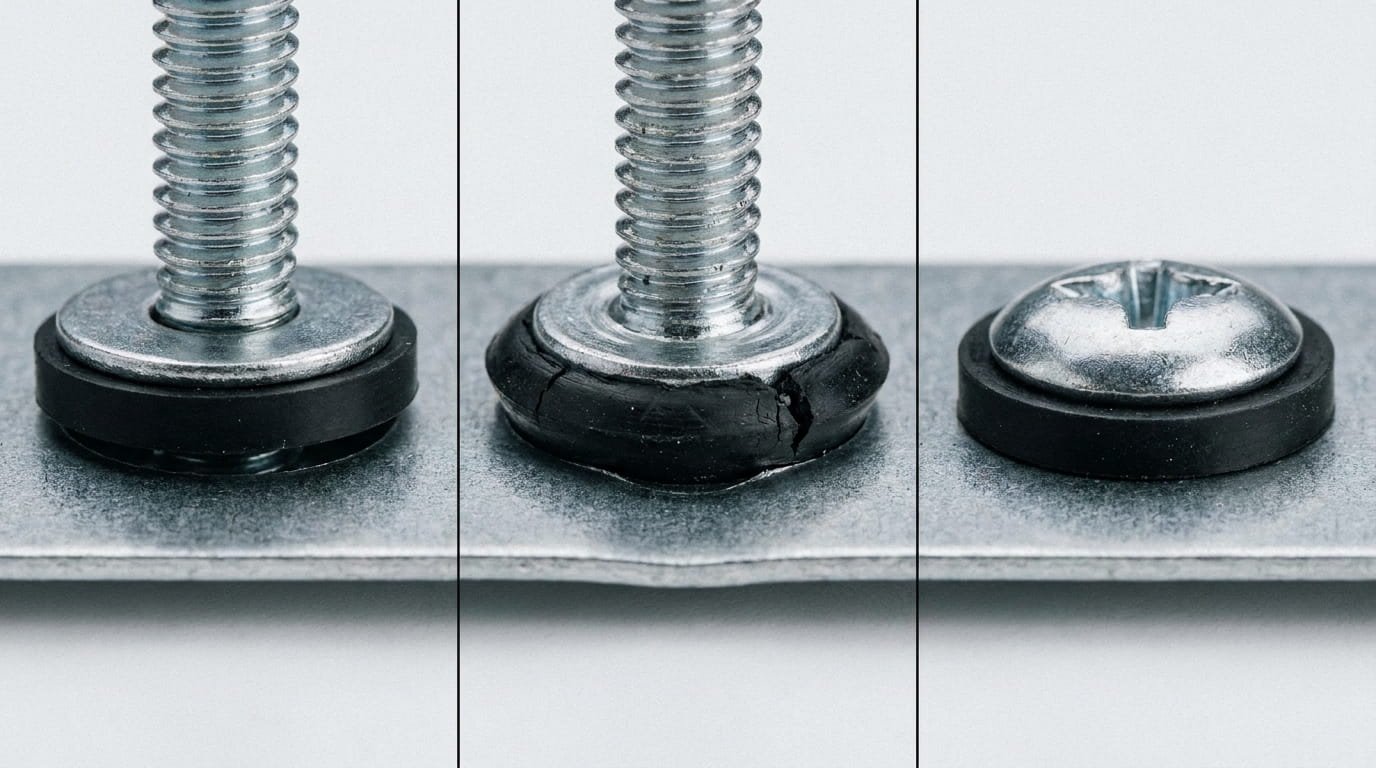
This is the single most common installation mistake. When a screw is under-tightened, the EPDM washer does not compress enough to create a proper seal, leaving a gap where water can enter. When a screw is over-tightened, the washer gets crushed and deformed, cracks over time, and loses its sealing ability.
The correct position is when the washer is just snug against the panel, slightly compressed but not squeezed flat. A good visual check: the washer should look like it is gently hugging the panel surface, not pancaked against it. Use a drill with adjustable torque settings and set the clutch to a moderate level to avoid overdriving.
Where to Place the Screw?
For most exposed fastener panel profiles, screws should be driven into the flat surface of the panel, between the ribs, not through the top of the rib itself. Fastening through the flat keeps the screw closer to the substrate and allows the washer to compress evenly on a flat surface.
Driving through a raised rib creates an uneven contact surface, which makes it nearly impossible to get a consistent seal. There are some exceptions with certain corrugated profiles where rib fastening is standard, so always follow the panel manufacturer’s instructions.
Common Mistakes Beginners Make
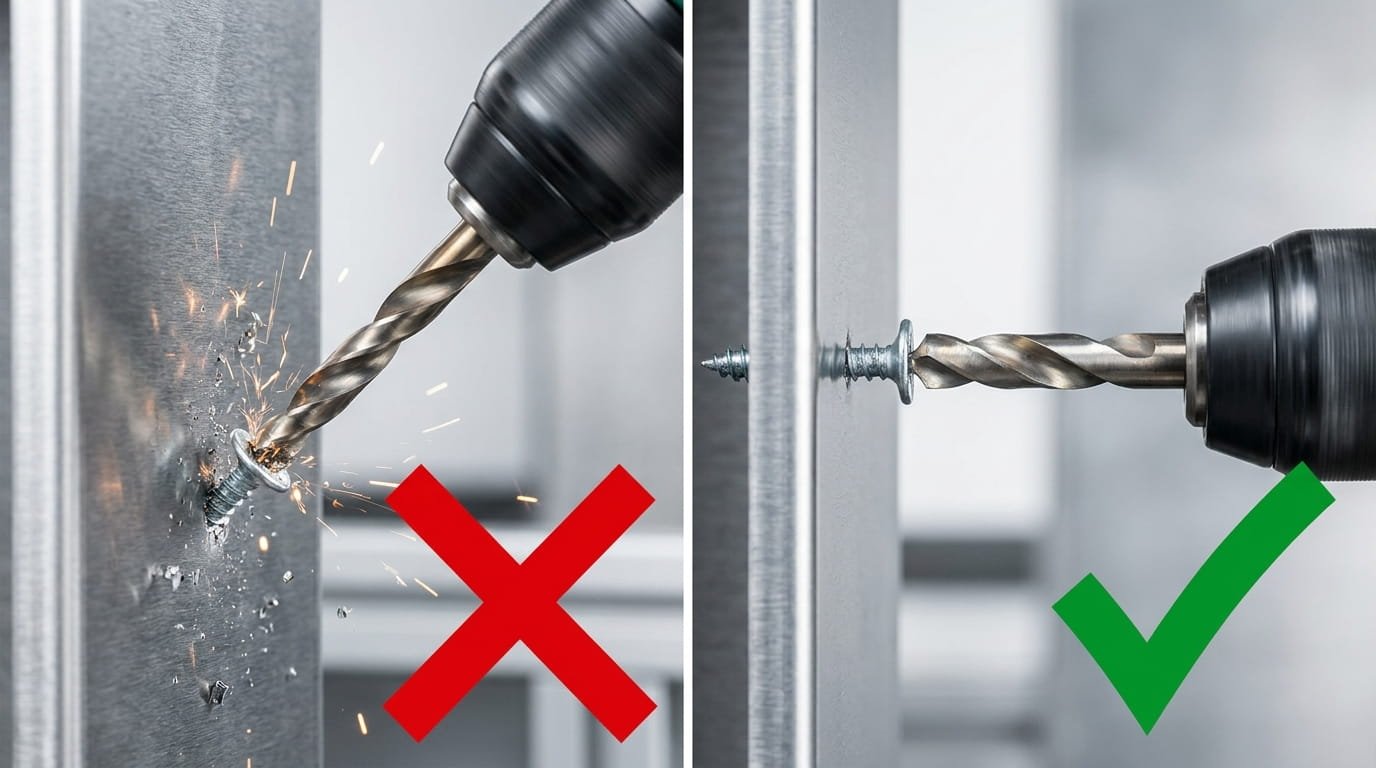
- Driving screws at an angle instead of perfectly perpendicular to the panel surface, which creates an uneven seal and weakens holding power.
- Using the wrong screw type for the substrate (for example, using a metal-to-metal screw in a wood purlin, which results in poor thread engagement).
- Skipping the washer on trim screws because they seem less critical, which leads to water infiltration at the roof edges.
- Spacing screws too far apart in edge zones where wind uplift is greatest, which is a code violation in many jurisdictions.
- Not checking the first few screws before proceeding with the full installation, missing a torque setting error that repeats across hundreds of fasteners.
If you want professional guidance on installation specific to your region, the team at EZ Roofing & Builders handles metal roof installations across Long Island and the surrounding areas with the precision and experience that comes from years in the field.
Color Matching and Aesthetics
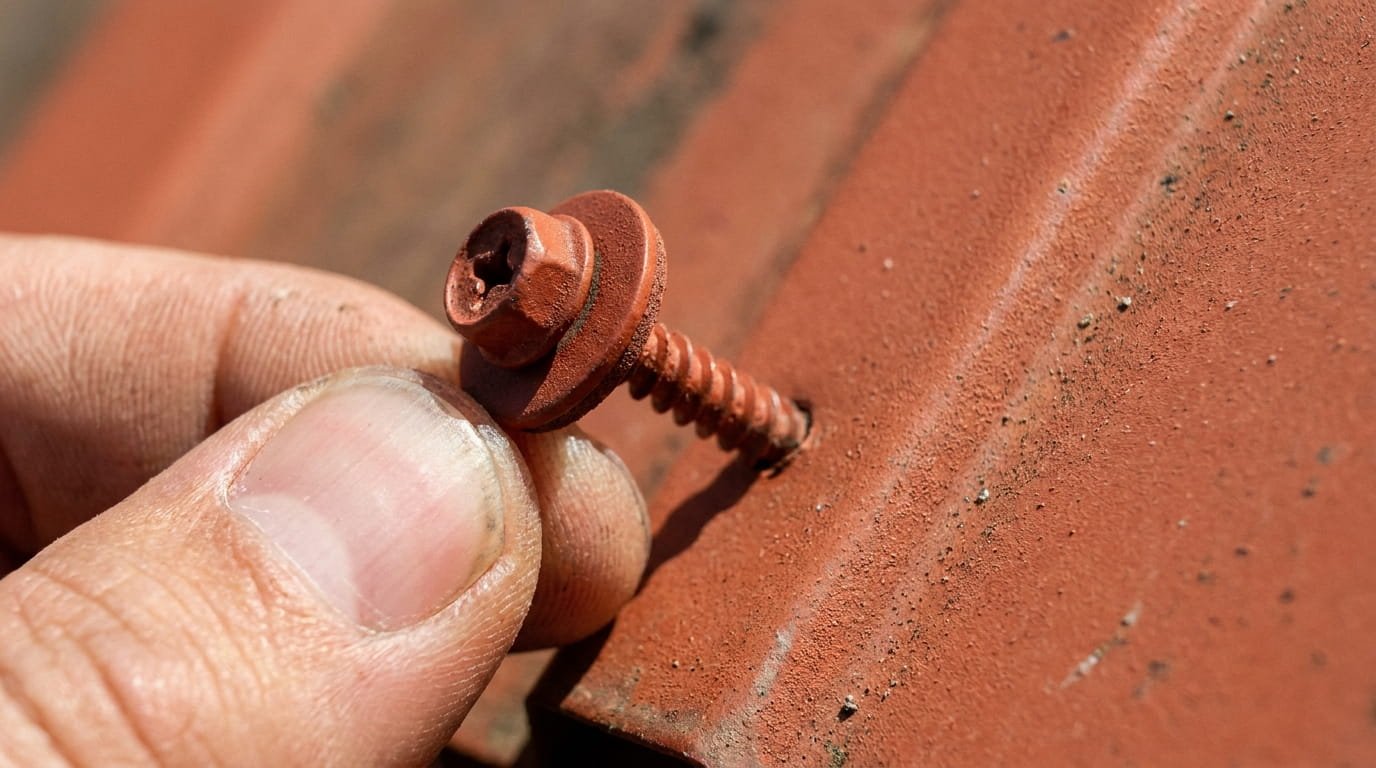
A metal roof can be one of the most visually striking features of a home, with clean lines and a modern or classic look depending on the panel profile and color. But if the screw heads stand out like tiny silver dots across the surface of your beautiful charcoal or terracotta roof, the whole effect is ruined. Color matching your screws for metal roofing is not just a cosmetic preference. It is part of a complete, polished installation.
Powder-Coated Heads for a Seamless Look: Most quality metal roofing screws are available with powder-coated heads that match the color of the metal panels. Powder coating is a durable finish applied electrostatically and baked on, making it resistant to chipping, fading, and corrosion.
A well-matched screw head virtually disappears into the panel surface, giving your roof a factory-finished appearance. This matters especially on exposed fastener profiles like five-rib panels and corrugated roofing, where every screw is visible from the ground.
Standard Colors vs. Custom Colors: Most major manufacturers offer a standard range of color options that correspond to the most popular metal panel colors, including galvalume silver, charcoal gray, forest green, brick red, and colonial blue, among others. If your panel color is more unusual or you are matching an existing roof, some suppliers offer custom color-matched heads.
The Metal Shop, for example, stocks FastGrip Mini-Driller screws in over 40 in-stock colors. Before purchasing screws, always order a color sample or bring a panel sample to compare against the screw head color in natural light. Colors can look very different under store lighting compared to how they appear on a roof in full sunlight.
For homeowners across Long Island looking for a complete metal roofing solution that includes proper fastener selection, color matching, and professional installation, explore what EZ Roofing & Builders NY offers for residential roofing in your area.
Conclusion
Choosing the right screws for metal roofing is not a small detail. It is a foundational decision that affects the durability, weather resistance, appearance, and long-term cost of your entire roofing system. From selecting the correct type (wood-to-metal, self-tapping, stitch, or trim) to getting the length right, pairing your screw material with your panel material, and driving each fastener with the proper technique, every choice compounds into the overall performance of your roof.
A metal roof is a long-term investment, often lasting 40 to 70 years with proper care. The screws holding it together should be chosen with that same long-term mindset.
If you are ready to install a metal roof or need a professional to inspect, repair, or replace your existing roof, the team at EZ Roofing & Builders is here to help. Serving Nassau County, Queens County, Suffolk County, and surrounding areas, EZ Roofing & Builders brings years of roofing expertise and a commitment to quality craftsmanship to every project.
Do not leave your roof to chance. Contact us today for a free consultation and get the peace of mind that comes from knowing your roof is built right, from the panels all the way down to the last screw.
Frequently Asked Questions (FAQs)
How often should metal roofing screws be replaced?
Most quality screws for metal roofing last between 20 and 30 years when properly installed and made from the right material for your climate. However, the EPDM washers on exposed fastener screws tend to degrade faster, especially in UV-heavy environments, and may need replacement or re-sealing every 10 to 15 years.
It is a good practice to have a roofing professional inspect your fasteners every 5 to 7 years as part of a routine roof maintenance check to catch any early signs of washer cracking, rust, or backing out before they lead to leaks.
Can new screws be installed in old holes?
This is generally not recommended. When a screw is removed from a hole, the threads in the wood or metal substrate may already be stripped or widened. Installing a new screw of the same size into the same hole often results in poor holding power because the threads have nothing firm to grip.
The better approach is to use a slightly larger diameter screw in the same hole, fill and seal the old hole before re-fastening, or relocate the fastening point slightly to engage fresh, undamaged material.
Can I use regular wood screws or drywall screws instead of dedicated screws for metal roofing?
This is a mistake that causes serious problems down the line. Regular wood screws and drywall screws are not designed to handle outdoor UV exposure, thermal expansion of metal panels, or the water resistance demands of a roof. They lack the corrosion-resistant coating, the EPDM sealing washer, and the hardened tip needed to fasten metal panels securely.
Using the wrong screws voids most manufacturer warranties and almost guarantees leaks within a few seasons. Always use fasteners specifically rated and designed as screws for metal roofing to protect your investment.