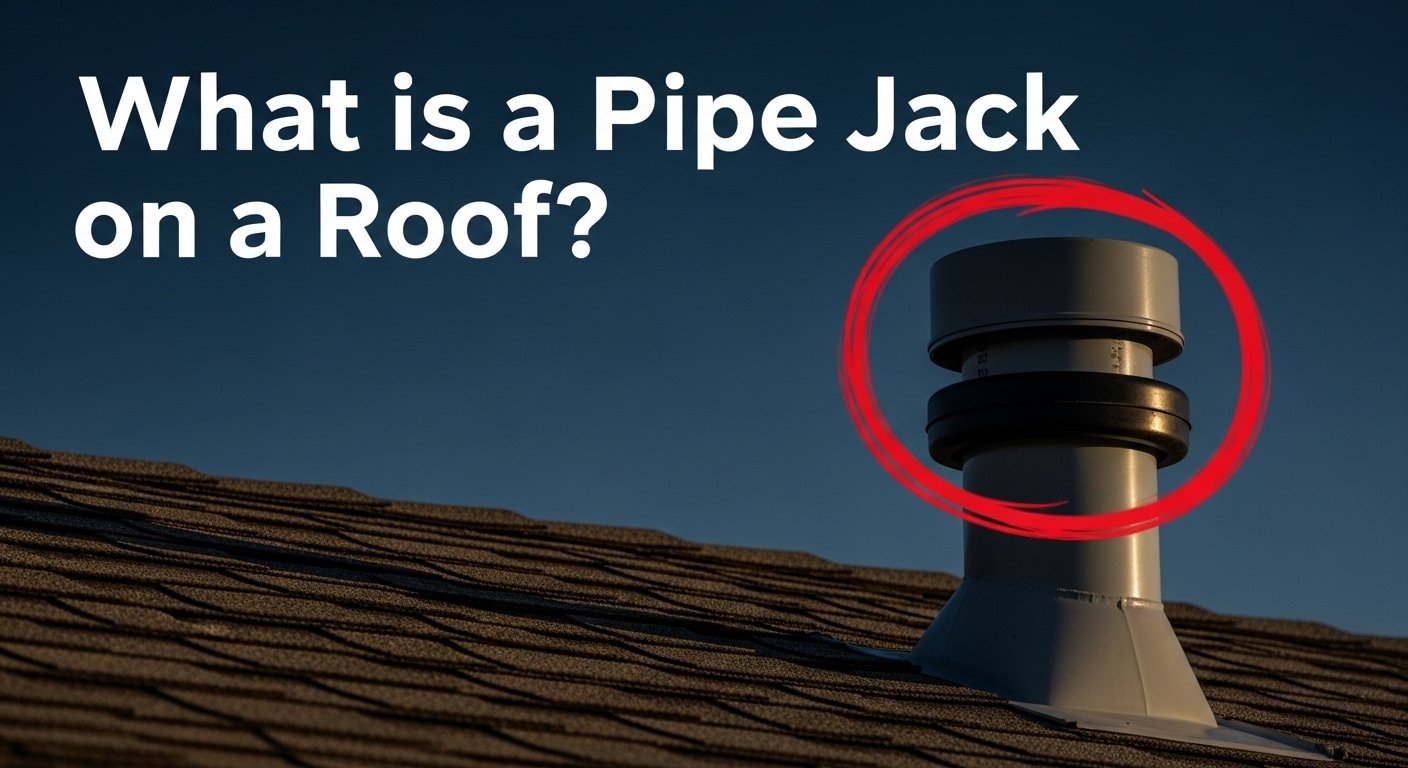
If you’ve ever looked at your roof, you’ve probably noticed pipes sticking out through the shingles. These pipes need special protection to prevent water from leaking into your home, and that’s where pipe jacks come in. A pipe jack, also known as a roof jack, pipe boot, or vent pipe flashing, is a critical roofing component that creates a watertight seal around pipes that penetrate your roof. Without properly installed and maintained pipe jacks, water can seep into your attic, causing extensive damage to your home’s structure, insulation, and interior.
Understanding what pipe jacks are, how they work, and when they need maintenance or replacement can save you thousands of dollars in water damage repairs. This comprehensive guide covers everything homeowners need to know about pipe jacks, from materials and installation to maintenance and troubleshooting common problems.
Understanding Pipe Jacks on Your Roof
What is a Pipe Jack?
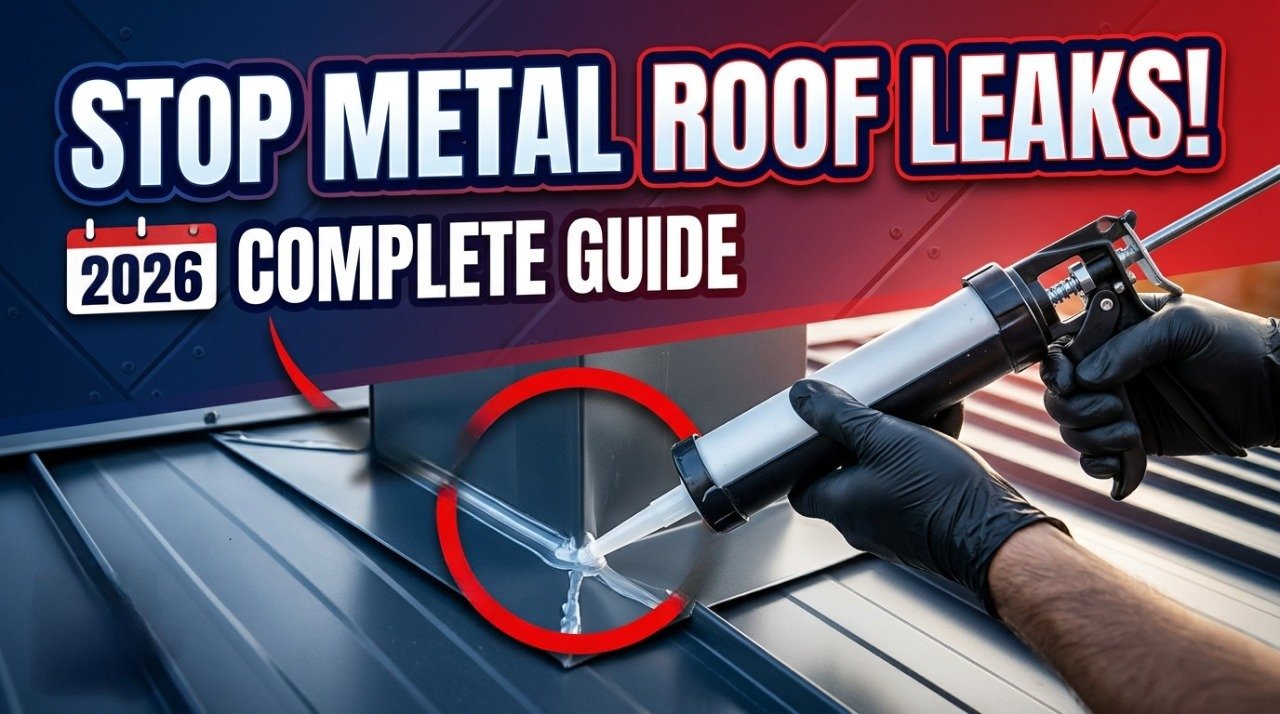
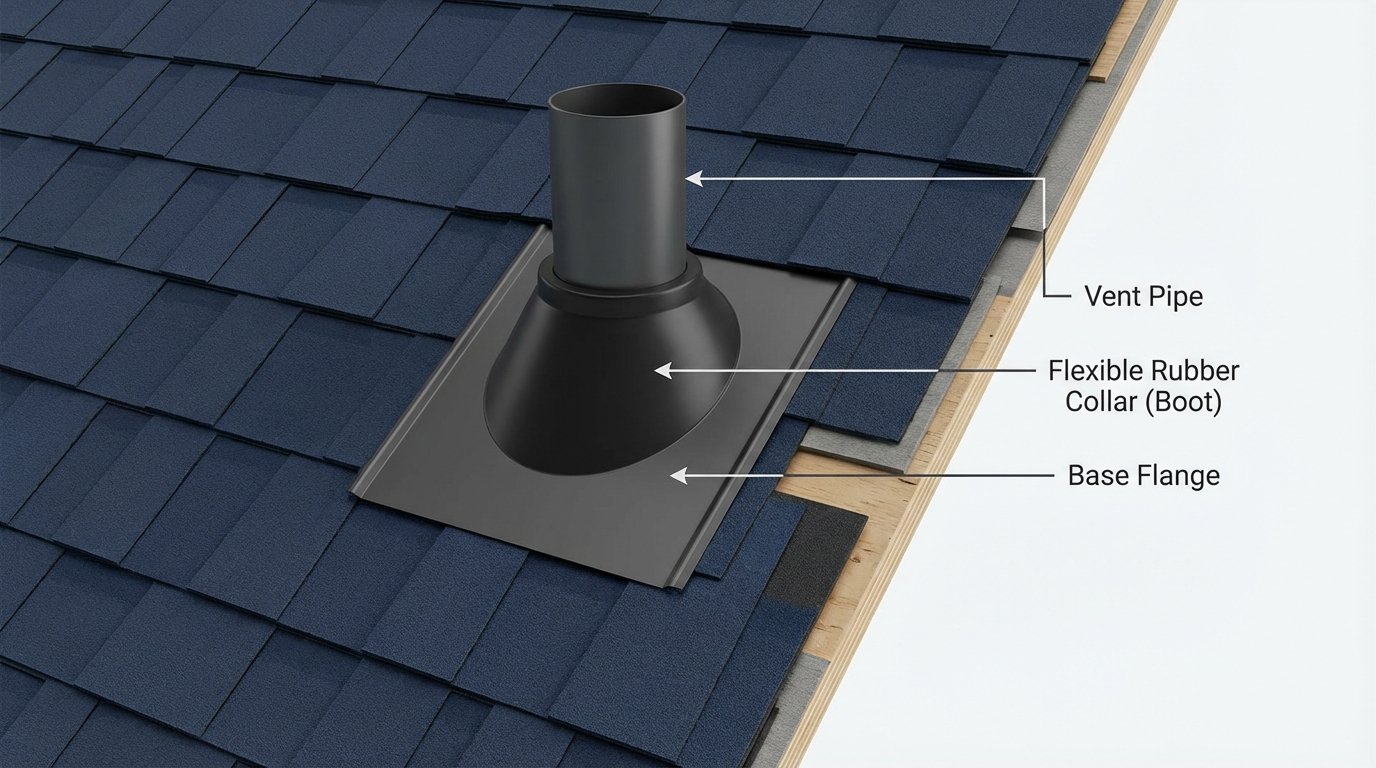
A pipe jack is a specialized flashing component designed to seal the area where pipes penetrate through your roof. These penetrations are necessary for various household systems, including plumbing vents, exhaust pipes from appliances, and HVAC systems. The pipe jack consists of two main parts: a flat base that integrates with your roofing material and a collar or sleeve that fits snugly around the pipe itself. Together, these components create a weathertight barrier that prevents water, debris, and pests from entering your home through these vulnerable openings.
Why Pipe Jacks are Critical for Roof Integrity
Every penetration in your roof creates a potential entry point for water. Without proper sealing, even small gaps can allow rainwater, melting snow, or ice to infiltrate your roofing system. Over time, this moisture leads to serious problems including rotted wood decking, compromised insulation, mold growth, and damage to ceilings and walls. Pipe jacks also improve your home’s energy efficiency by preventing air leakage, which helps maintain consistent indoor temperatures and reduces heating and cooling costs. This is especially important if you have metal roof insulation installed, as air leaks around pipe penetrations can significantly reduce insulation performance.
Types of Pipe Jacks and Their Applications
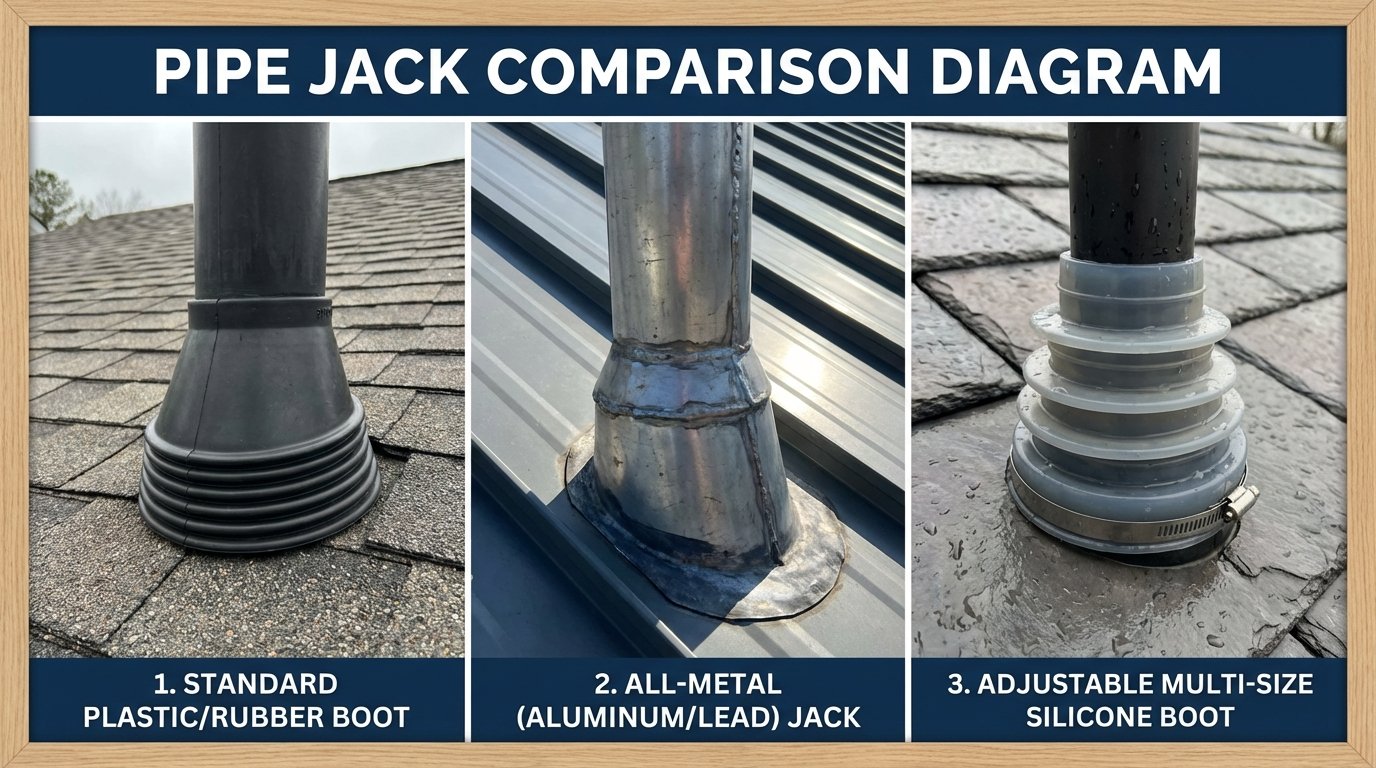
Different roofing situations require different types of pipe jacks. Understanding the various options helps you choose the right solution for your specific needs.
Standard Pipe Jacks for Residential Use
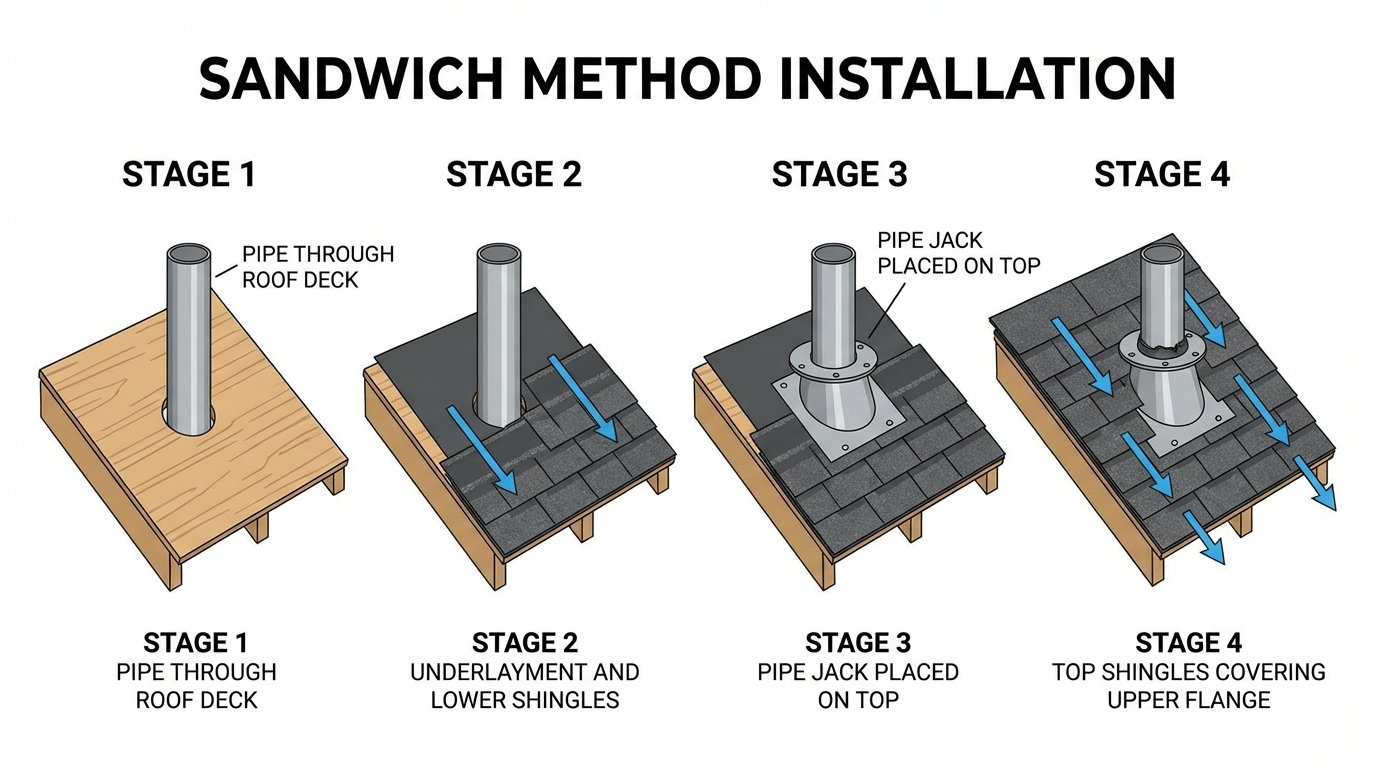
Standard pipe jacks are the most common type found on residential roofs. They feature a flat base that sits flush with the roof surface and a cylindrical collar that wraps around the pipe. These work well for typical plumbing vents and are suitable for roofs with moderate pitch. The base is installed beneath the shingles above it and on top of the shingles below it, allowing water to naturally flow over and around the flashing without pooling. They are commonly used on both shingle roofing and other residential roof types.
Adjustable Pipe Jacks for Variable Pipe Sizes
Adjustable pipe jacks feature flexible collars that can accommodate pipes of different diameters. This versatility makes them ideal for homes with multiple vent sizes or for situations where the exact pipe diameter might vary slightly. The adjustable collar, typically made from rubber or silicone, can expand or contract to create a tight seal around pipes ranging from 1.5 to 4 inches in diameter. These are particularly useful during renovations or when replacing old pipe jacks where the original pipe size is uncertain.
Boot Roof Jacks (Pipe Boots)
Boot roof jacks, commonly called pipe boots, are flexible flashings made entirely from rubber or silicone that wrap closely around pipes. Unlike rigid pipe jacks with metal bases, pipe boots are completely flexible and can conform to various roof pitches and pipe angles. They’re easy to install and popular for DIY repairs, though they typically have a shorter lifespan than metal-based alternatives. Most pipe boots last 10 to 15 years before the rubber begins to crack and deteriorate from UV exposure.
Gas Vent Roof Jacks
Gas vent roof jacks are specifically designed for venting exhaust gases from furnaces, water heaters, and other gas-burning appliances. These specialized jacks are made from heat-resistant materials that can withstand high temperatures without degrading. Proper installation of gas vent pipe jacks is critical for both preventing leaks and ensuring safe venting of potentially dangerous combustion gases. Building codes often have specific requirements for gas vent flashings, so professional installation is strongly recommended.
Materials Used in Pipe Jack Manufacturing
The material you choose for your pipe jack significantly impacts its durability, cost, and performance. Each material offers different benefits and drawbacks.
Rubber and Elastomeric Pipe Jacks
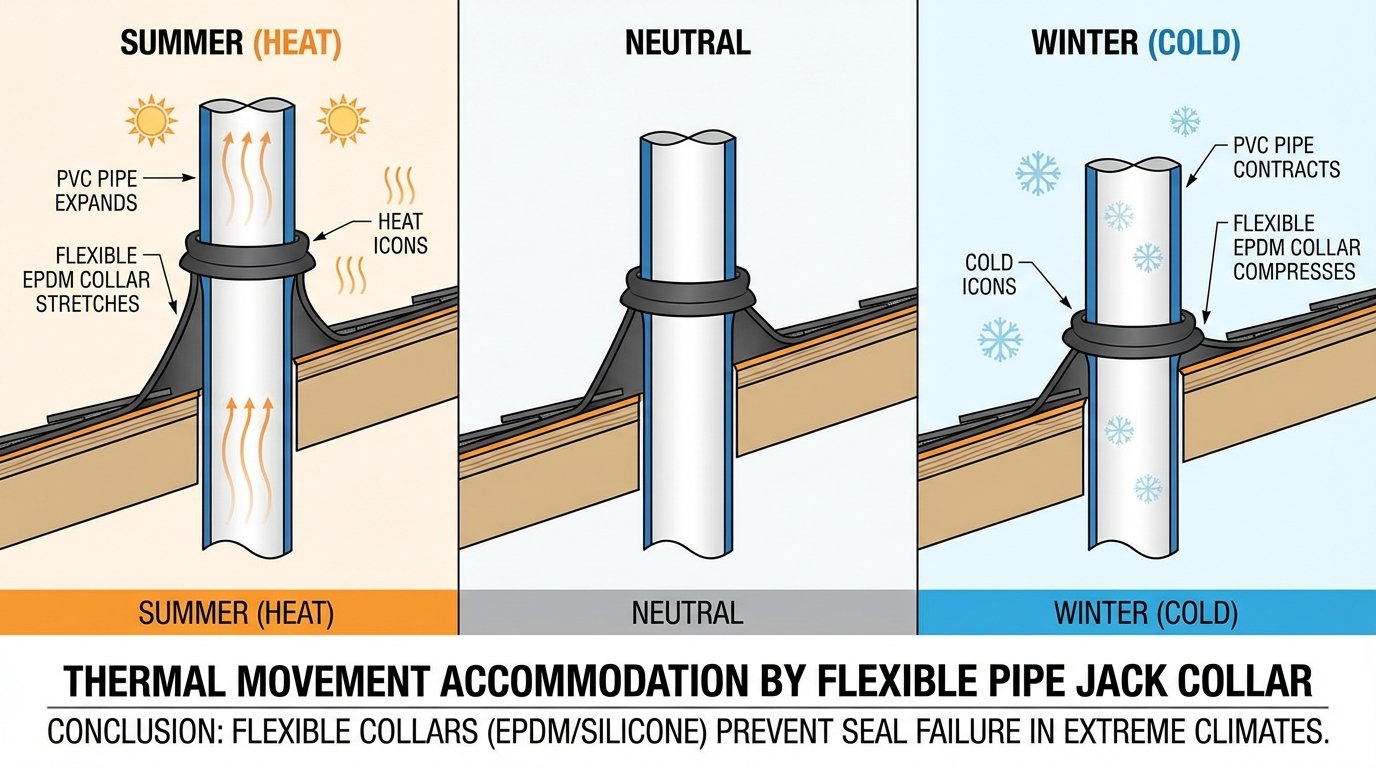
Rubber pipe jacks are affordable and flexible, making them popular for residential applications. The elastomeric material allows the collar to expand and contract with temperature changes, maintaining a tight seal around the pipe. However, rubber is vulnerable to UV degradation and typically needs replacement every 10 to 20 years. EPDM (ethylene propylene diene monomer) rubber offers better weather resistance than standard rubber and can extend the lifespan to 20 years or more in many climates.
Aluminum Pipe Jacks
Aluminum pipe jacks provide excellent corrosion resistance while remaining lightweight and easy to install. They work well on various roofing materials, including asphalt shingles, metal roofs, and composite materials. Aluminum doesn’t rust, making it ideal for coastal areas or regions with high humidity. Combined with a rubber collar for the pipe seal, aluminum pipe jacks offer a good balance of durability and affordability, typically lasting 25 to 30 years with proper maintenance.
Lead Pipe Jacks
Lead has been used for pipe flashings for centuries due to its exceptional malleability and longevity. Lead can be shaped to fit any roof pitch or complex roof design, creating custom-fit flashings that last 50 years or longer. Its natural corrosion resistance means lead pipe jacks can outlast the roof itself. However, lead is expensive and requires skilled installation. Modern alternatives have largely replaced lead in residential applications, though it remains popular for historic restoration projects and high-end custom homes.
Galvanized Steel Pipe Jacks
Galvanized steel pipe jacks offer strength and durability for commercial applications or harsh weather conditions. The zinc coating protects the steel from rust, though the coating can eventually wear away in corrosive environments. These are heavier and less flexible than aluminum but provide superior structural support for larger pipes or equipment. With proper maintenance, galvanized steel pipe jacks can last 20 to 30 years, though coastal installations may see shorter lifespans due to salt exposure.
Signs Your Pipe Jack Needs Replacement
Knowing when to replace your pipe jack can prevent expensive water damage. Watch for these warning signs that indicate your pipe jack is failing.
Visible Cracks and Splits
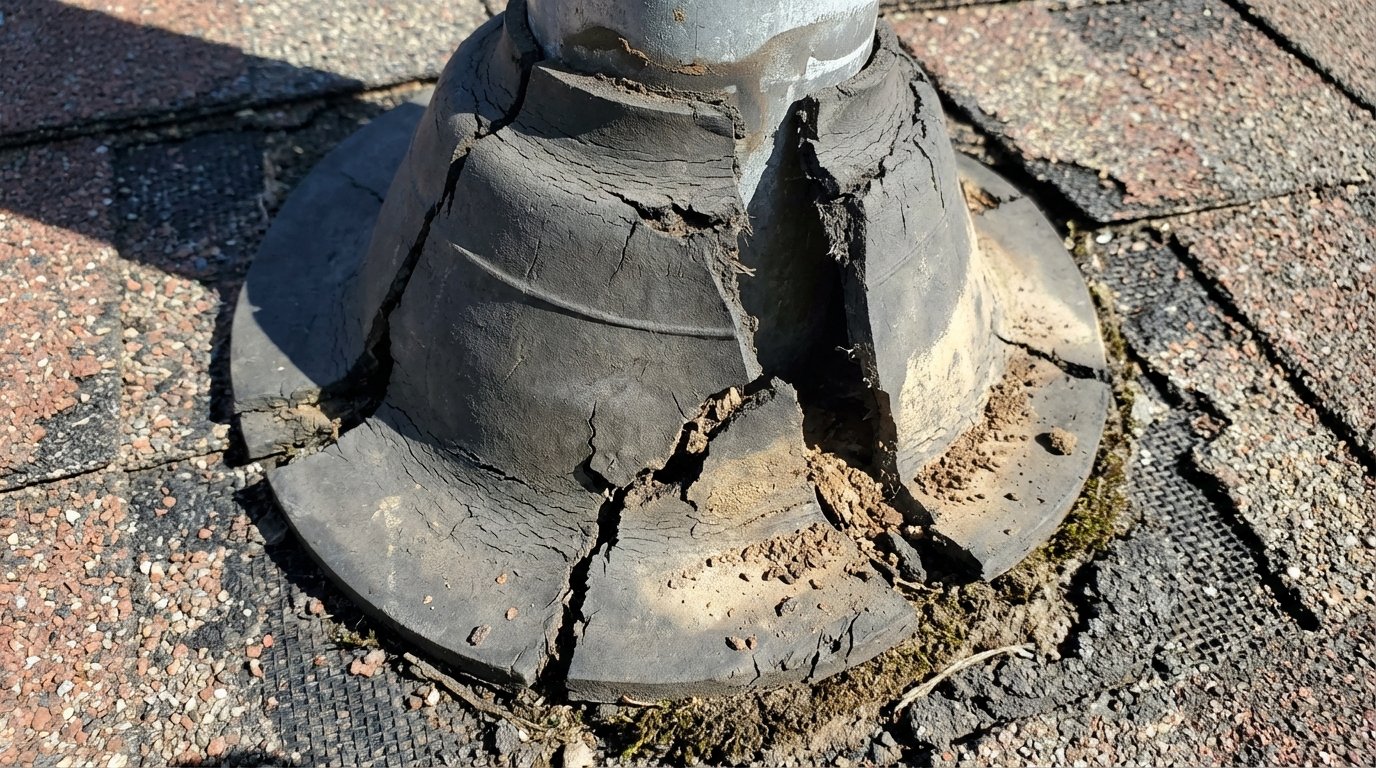
Cracks in the rubber collar or splits in the base flashing are clear indicators that replacement is needed. Even small cracks can allow water to penetrate, and once cracking begins, it typically accelerates due to ongoing exposure to UV rays and temperature cycling. If you notice any visible damage to the pipe jack material, schedule a roofing repair as soon as possible to prevent water infiltration.
Dried, Cracked, or Peeling Sealant
The sealant around the base of the pipe jack and over the fasteners provides an additional water barrier. Over time, roofing sealant dries out, cracks, and pulls away from the surface. When sealant failure occurs, water can work its way beneath the flashing and into your roof system. Resealing is a simple maintenance task that should be performed every few years, but if the underlying pipe jack is also damaged, full replacement is the better option.
Interior Water Stains and Attic Moisture
Water stains on ceilings near pipes or damp insulation in the attic around pipe penetrations indicate active leaks. If you notice moisture, musty odors, or visible water damage in these areas, inspect your pipe jacks immediately. Even minor leaks can cause significant structural damage over time, so prompt attention is essential. A professional roof inspection can pinpoint the exact source of the leak and determine whether a simple repair or a full pipe jack replacement is needed.
Corrosion and Rust on Metal Components
Metal pipe jacks, particularly galvanized steel, can develop rust and corrosion over time. Surface rust might be treatable with rust-inhibiting paint, but advanced corrosion that has eaten through the metal requires complete replacement. Aluminum pipe jacks can also corrode in certain conditions, appearing as white powdery deposits or pitting on the surface.
Pipe Jack Maintenance and Inspection Guide
Regular maintenance extends the life of your pipe jacks and prevents costly water damage. Follow this inspection and maintenance schedule to keep your pipe jacks in optimal condition.
Recommended Inspection Schedule
Inspect your pipe jacks at least twice yearly, ideally in spring and fall. Additionally, check them after severe weather events such as heavy storms, high winds, or hail. A visual inspection from the ground using binoculars can reveal obvious problems, but a close-up roof inspection every few years provides a more thorough assessment. You can also schedule a dedicated roof maintenance visit that covers pipe jacks along with all other critical roofing components. If you’re uncomfortable working on your roof, hire a professional roofing contractor for annual inspections.
Cleaning Debris and Preventing Buildup
Leaves, branches, and other debris can accumulate around pipe jacks, trapping moisture against the flashing and accelerating deterioration. During inspections, gently remove any debris buildup. Also check for moss or algae growth, which can retain moisture and damage both the pipe jack and surrounding roofing materials. A soft brush and mild cleaning solution can safely remove organic growth without damaging the flashing.
Checking and Maintaining Sealant
Roofing sealant is exposed to extreme temperature variations and UV radiation, causing it to degrade over time. During inspections, examine the condition of sealant around the pipe jack base and over fastener heads. If the sealant appears cracked, dried, or is pulling away from surfaces, remove the old sealant completely and apply fresh high-quality roofing sealant. This simple maintenance task, performed every three to five years, significantly extends pipe jack life and prevents leaks. According to the National Roofing Contractors Association (NRCA), routine flashing maintenance is one of the most cost-effective steps homeowners can take to protect their roofing investment.
Cost Guide: Pipe Jack Replacement and Installation
Understanding the costs associated with pipe jack replacement helps you budget appropriately and decide between DIY and professional installation.
Material Costs by Type
Basic rubber pipe boots cost between $10 and $30 each, making them the most affordable option. Aluminum pipe jacks with rubber collars range from $25 to $60 depending on size and quality. Galvanized steel pipe jacks typically cost $40 to $80. Premium materials like lead or copper can exceed $100 to $200 per unit. Specialty pipe jacks for gas vents or HVAC equipment may cost $50 to $150 or more depending on size and heat resistance requirements. Keep in mind that material costs are just one part of the total expense, if surrounding shingles also need work, you’ll want to factor in the cost of shingle bundles as well.
Labor Costs and Installation Fees
Professional installation typically costs between $150 and $350 per pipe jack, including materials. This price can increase for difficult roof access, steep pitches, or if surrounding shingles need replacement. Emergency roofing repairs often cost 50 to 100 percent more than scheduled maintenance. Many roofing contractors offer volume discounts if you’re replacing multiple pipe jacks simultaneously, which is common during roof replacement projects.
DIY vs. Professional Cost Comparison
A DIY pipe jack replacement might cost only $30 to $80 in materials plus roofing cement and basic tools. However, improper installation can lead to leaks that cause hundreds or thousands of dollars in water damage. Professional installation provides warranty coverage and ensures proper integration with your roofing system. For homeowners comfortable working at heights with basic roofing knowledge, DIY replacement can save money. However, those without experience should invest in professional installation to ensure long-term protection. Before hiring, it’s also worth knowing how much deposit to give a roofer so you can protect yourself financially.
DIY vs. Professional Pipe Jack Installation
Can You Replace a Pipe Jack Yourself?
Pipe jack replacement is a moderately challenging DIY project suitable for homeowners with basic roofing knowledge and comfort working at heights. The job requires removing old shingles, installing new flashing, and properly integrating it with the existing roof. While the mechanical aspects aren’t complex, ensuring a watertight installation requires attention to detail and understanding of water flow principles. Most DIY-capable homeowners can successfully replace a pipe jack on a simple, low-pitched roof with good access.
When to Hire a Professional Roofer
Professional installation is recommended for steep-pitched roofs, multi-story homes, or situations involving structural repairs beyond simple flashing replacement. Gas vent pipe jacks should always be installed by licensed professionals to ensure compliance with building codes and safety standards. If your roof has multiple damaged pipe jacks, extensive shingle damage, or if you’re uncomfortable with heights, hiring a professional for roof replacement or repair is the safer and more reliable option. Professional installation also typically includes warranty coverage that protects against installation defects.
Pipe Jack Lifespan and Replacement Timeline
Average Lifespan by Material Type
Different materials offer vastly different service lives. Basic rubber pipe boots typically last 10 to 15 years before UV damage causes cracking. Higher-quality EPDM rubber can extend this to 20 years. Aluminum pipe jacks generally last 25 to 30 years with minimal maintenance. Galvanized steel provides similar longevity but may fail sooner in coastal or high-humidity environments. Lead and copper pipe jacks can last 50 years or longer, often outliving the roof itself. Understanding these timelines helps you plan for eventual replacement and budget accordingly.
Factors Affecting Pipe Jack Longevity
Climate significantly impacts pipe jack lifespan. Intense UV exposure in sunny southern climates accelerates rubber degradation, while freeze-thaw cycles in northern regions stress all materials through expansion and contraction. Coastal environments promote corrosion of metal components due to salt air exposure. Installation quality is equally important, properly installed pipe jacks with adequate sealant and correct shingle integration last significantly longer than those with installation defects. Regular maintenance, including debris removal and sealant renewal, can add years to any pipe jack’s service life. The U.S. Department of Energy also notes that sealing roof penetrations properly contributes to better home energy efficiency year-round.
Common Pipe Jack Problems and Solutions
Cracked or Split Rubber Collars
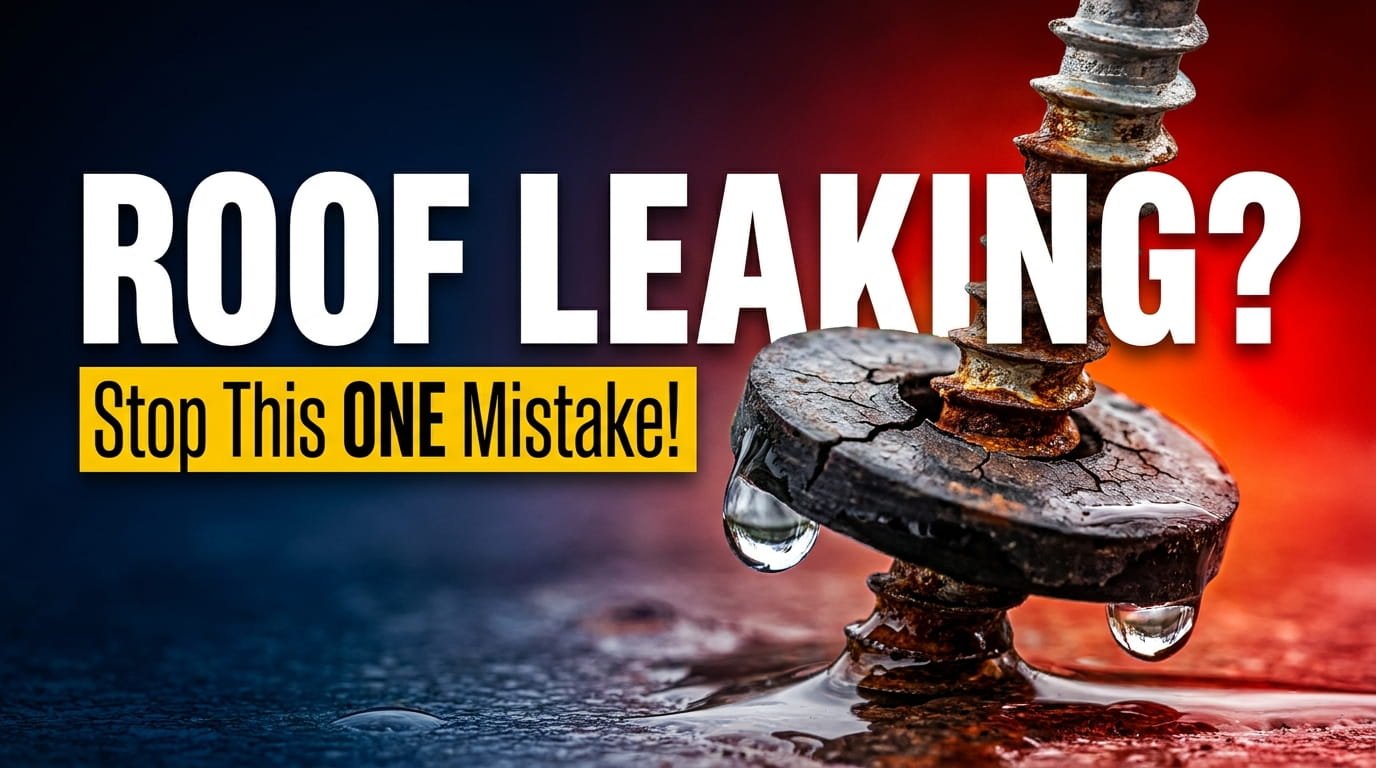
Rubber collar failure is the most common pipe jack problem. UV exposure causes rubber to become brittle and crack, especially in hot climates. Once cracking begins, water can penetrate even small splits. The only effective solution is replacement, attempting to patch cracked rubber provides temporary relief at best. When replacing pipe jacks, consider upgrading to EPDM rubber or aluminum jacks with replaceable collars for longer service life.
Improper Installation Leading to Leaks
Improper installation is a leading cause of pipe jack leaks. Common mistakes include failing to properly integrate the base under upper shingles, inadequate sealant application, or using fasteners that are too short to properly secure the flashing. Water should flow over the pipe jack, not under it, which requires correct positioning relative to shingles. If you discover leak problems shortly after installation, have the work inspected by a qualified roofer to identify and correct installation errors before water damage becomes extensive.
Ice Damming Around Pipe Jacks
In cold climates, ice dams can form around pipe penetrations, trapping water that eventually leaks through compromised seals. Proper attic insulation and roof ventilation help prevent ice dam formation by maintaining consistent roof temperatures. To better understand how much structural stress your roof can handle from snow and ice buildup, check out our guide on how much snow a roof can hold. If ice damming is a recurring problem, consider installing heating cables around vulnerable pipe jacks or upgrading to ice-and-water shield underlayment in these areas during the next roof replacement.
Conclusion: Protecting Your Roof Investment
Pipe jacks are small but critical components of your roofing system. These simple flashings protect your home from water damage by sealing the vulnerable points where pipes penetrate through your roof. Understanding what pipe jacks are, recognizing signs of failure, and maintaining them properly can save you thousands of dollars in water damage repairs and extend the life of your entire roofing system.
Regular inspections, prompt repairs, and choosing quality materials appropriate for your climate ensure your pipe jacks provide decades of reliable protection. Whether you choose DIY maintenance or professional service, making pipe jack care part of your regular home maintenance routine is a wise investment in your home’s longevity and value. Don’t wait until you notice ceiling stains or attic moisture, proactive pipe jack maintenance is always more affordable than emergency repairs and water damage restoration. If you’re unsure about the condition of your pipe jacks or any part of your roof, reach out to our team for a professional roofing inspection today.