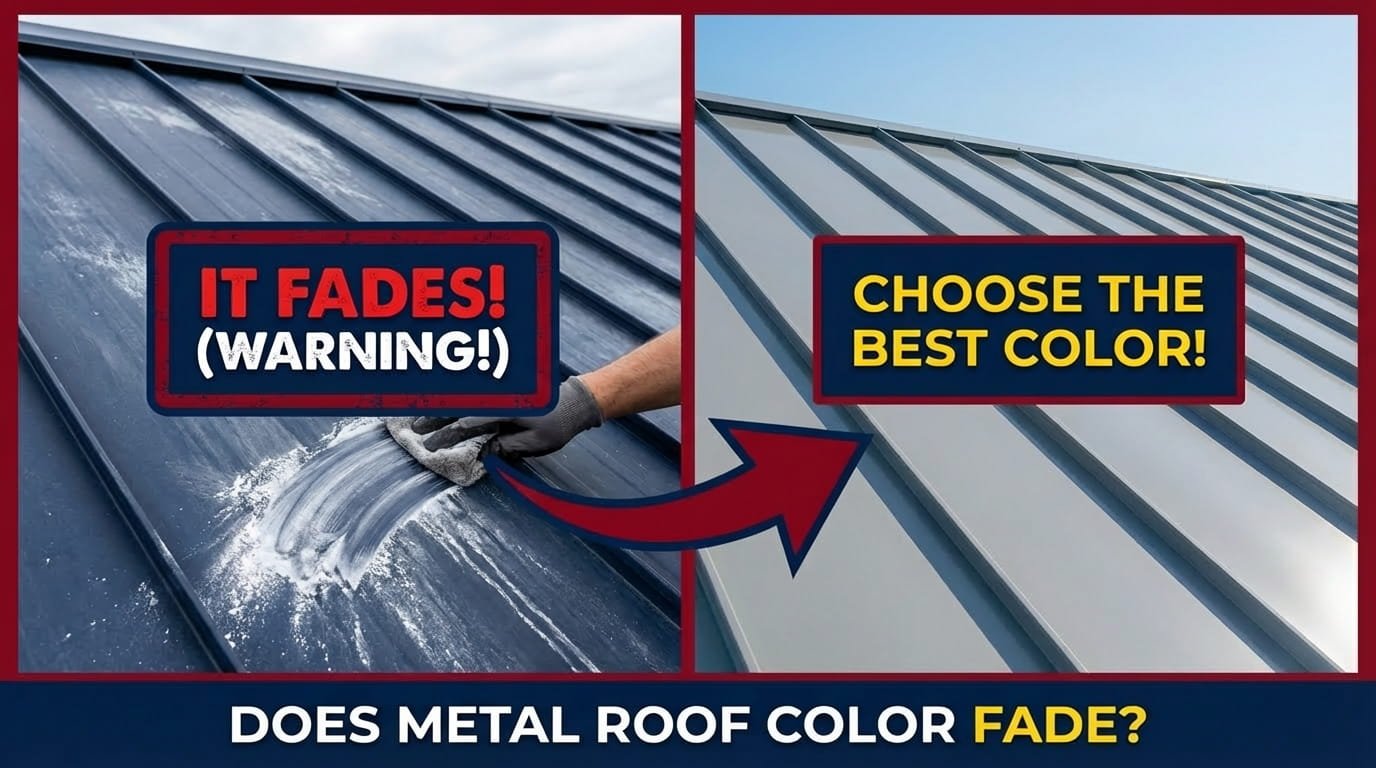
One of the first questions homeowners ask when choosing a metal roof is whether the color will last. It is a fair concern, a metal roof is a significant investment, and nobody wants to watch a beautiful deep charcoal or rich barn red turn dull and washed out within a few years.
This guide covers everything you need to know, why fading happens, which colors hold up best, a color-by-color breakdown, and how to slow the process down.
Do Metal Roofs Fade?
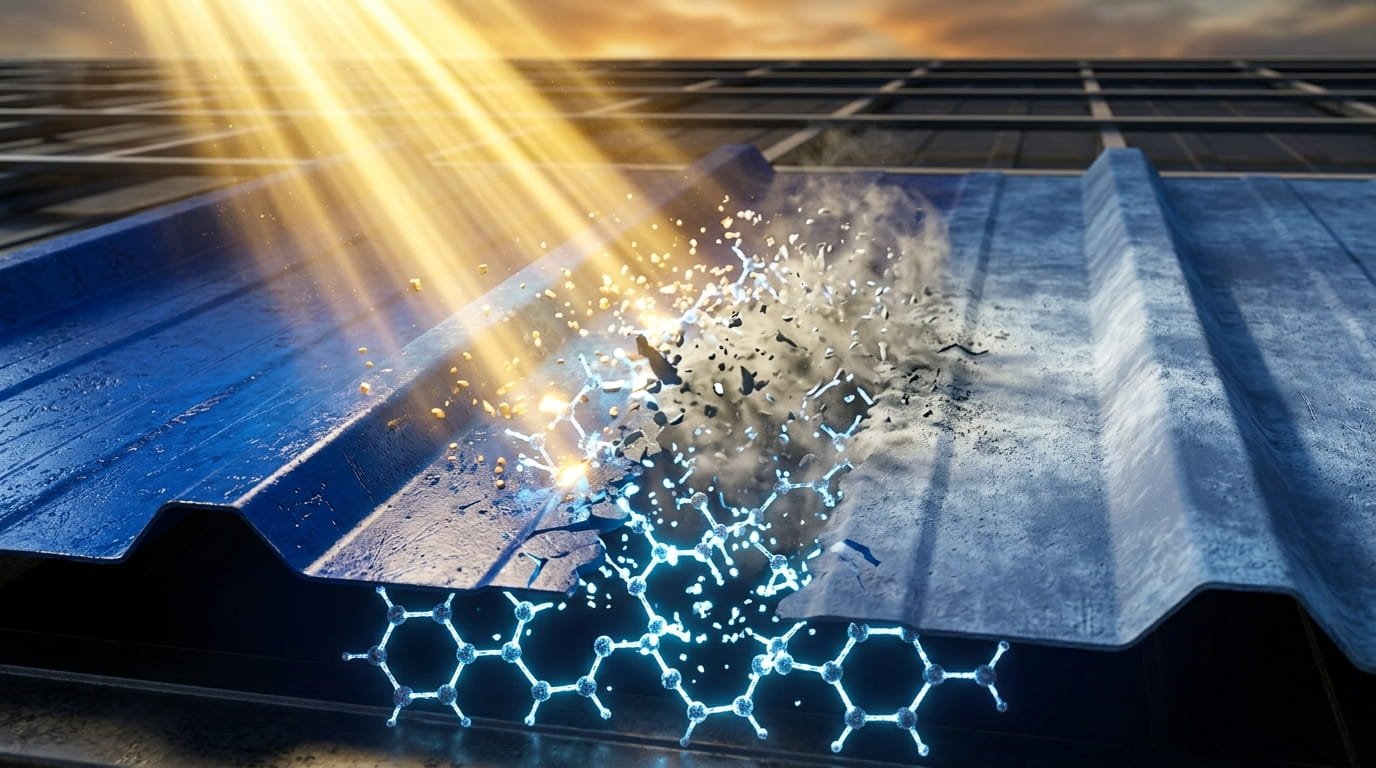
Yes, all metal roofs fade eventually. Color fading on a metal roof is caused primarily by ultraviolet (UV) radiation from the sun, which breaks down the chemical bonds in paint pigments and resins over time. As these bonds degrade, the roof gradually loses color intensity and gloss.
UV exposure is the main driver, but other environmental factors accelerate the process:
- Moisture — repeated wetting and drying cycles stress the paint film
- Salt air — in coastal regions, salt accelerates coating breakdown
- Acid rain and pollution — airborne chemicals react with pigments
- Extreme temperature swings — expansion and contraction weaken the coating over time
The key word is “gradually.” Metal roof fading is not the dramatic, rapid color loss you see with asphalt shingles. It unfolds over years, often so slowly that homeowners barely notice the change from one year to the next.
Yes, but the quality of the paint system determines how quickly. Premium factory-applied coatings resist fading far better than field-applied paint.
Unpainted tin or galvanized steel roofs weather and develop a patina rather than losing pigment color. Painted tin roofs follow the same fading patterns as any other painted metal roof.
How Long Does Color Last on a Metal Roof?
The lifespan of metal roof color depends almost entirely on the paint system used:
| Paint System | Color Retention | Typical Lifespan |
|---|---|---|
| PVDF (Kynar 500 / Hylar 5000) | Excellent — retains 30–40% original color after 40 years | 30–40+ years |
| SMP (Silicone Modified Polyester) | Good — moderate fade over 15–25 years | 15–25 years |
| Standard Polyester | Fair — noticeable fade within 10–15 years | 10–15 years |
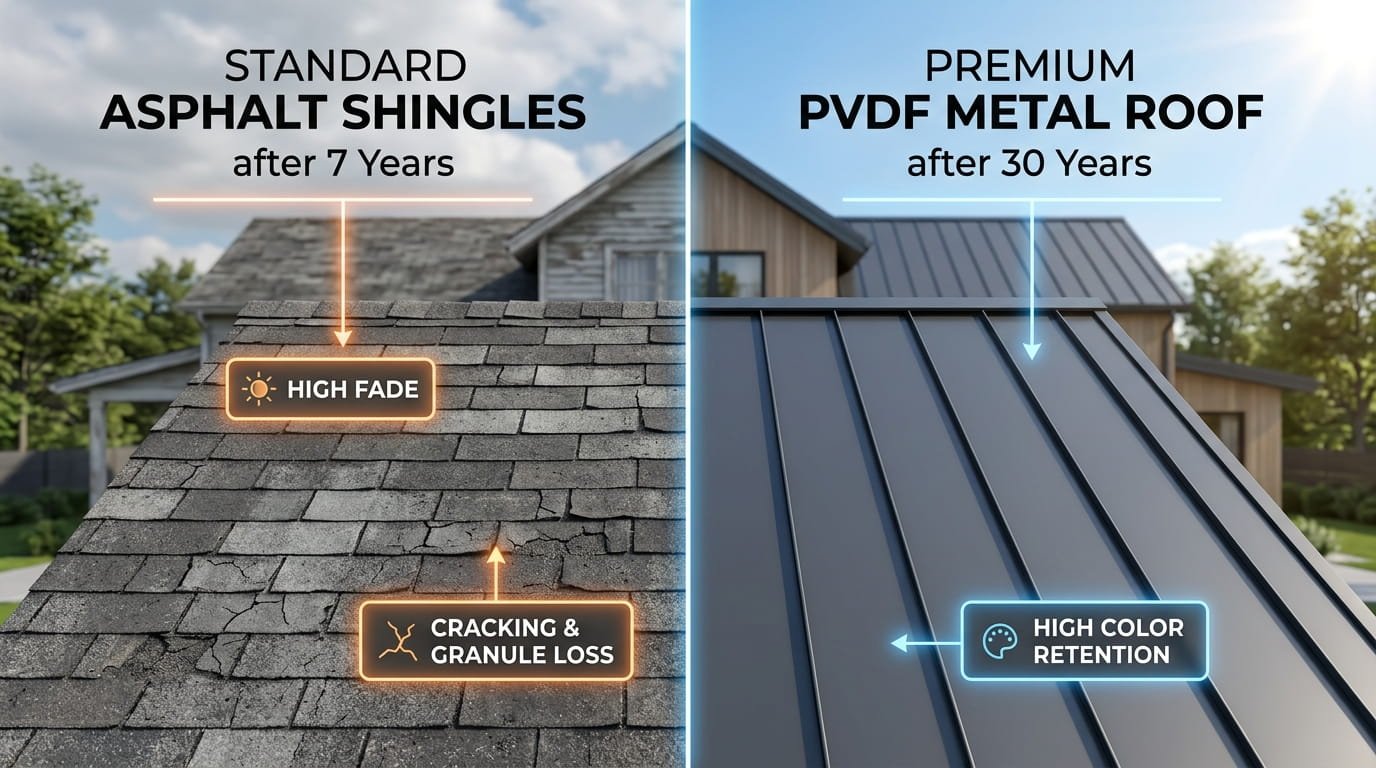
Asphalt shingles typically experience 20+ Delta E units of color change within 7–10 years, clearly visible to the naked eye. Premium metal roofing with PVDF coatings experiences only 5–10 Delta E units of change over decades, a level most homeowners barely notice.
What Color Metal Roof Fades the Least?
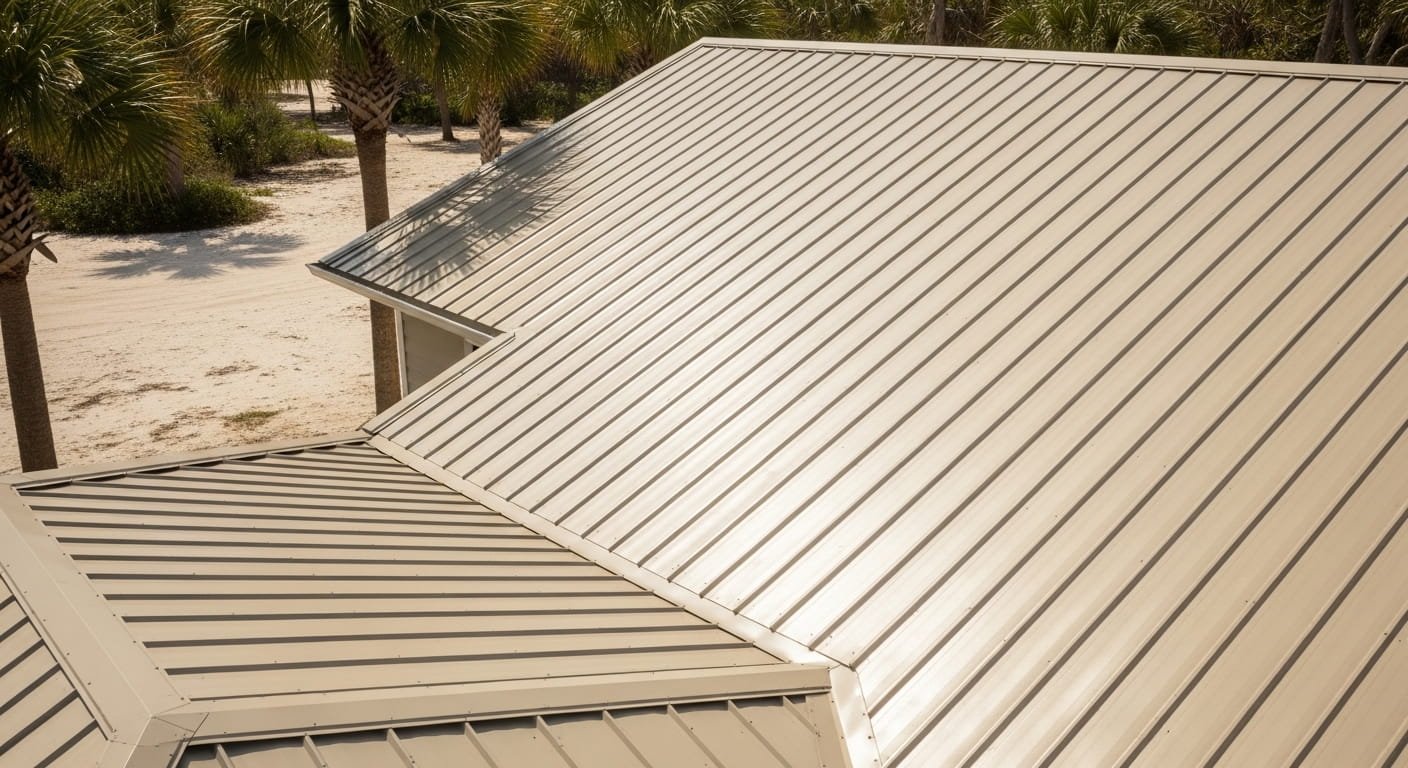
Color choice matters, not all pigments respond equally to UV exposure. The difference comes down to whether a color uses organic or inorganic pigments, and how light or dark the shade is.
Colors That Fade the Least
Light, neutral, earth-tone colors have the best long-term color retention:
- White and off-white — reflects UV rather than absorbing it; any fading is barely noticeable because the color starts light
- Beige and tan — inorganic pigments that are chemically stable under UV exposure
- Light gray — one of the most fade-resistant color families; reflects solar radiation effectively
- Light bronze and brown — earth tones use inorganic pigments that resist photodegradation
- Matte finishes in any color — matte surfaces show fading less noticeably than glossy finishes because they already have low reflectivity
Light colors reflect a significant portion of UV radiation rather than absorbing it. Less UV absorption means less pigment breakdown — and any fading that does occur is far less visible on a color that starts near-white.
What Color Metal Roof Fades the Most?
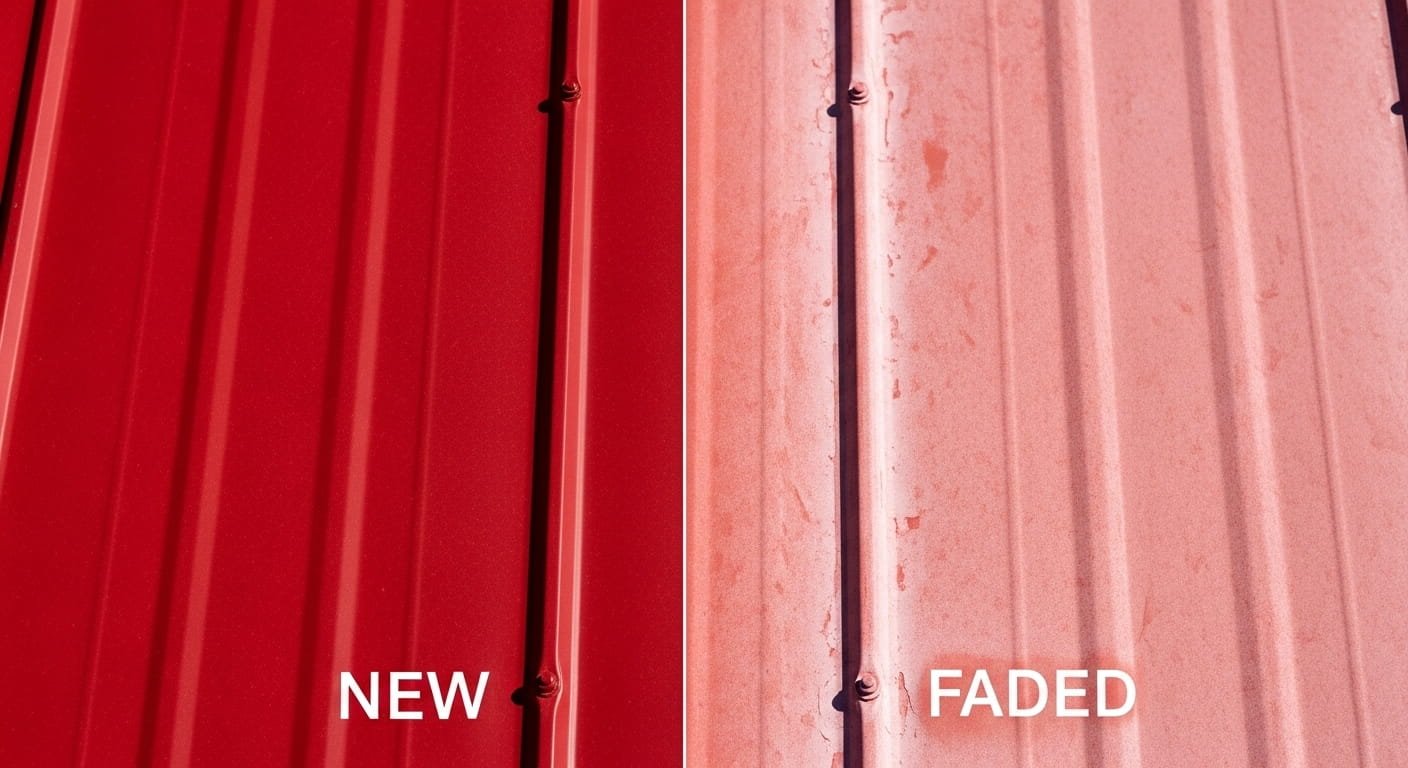
Bold, saturated, dark colors show the most noticeable fading:
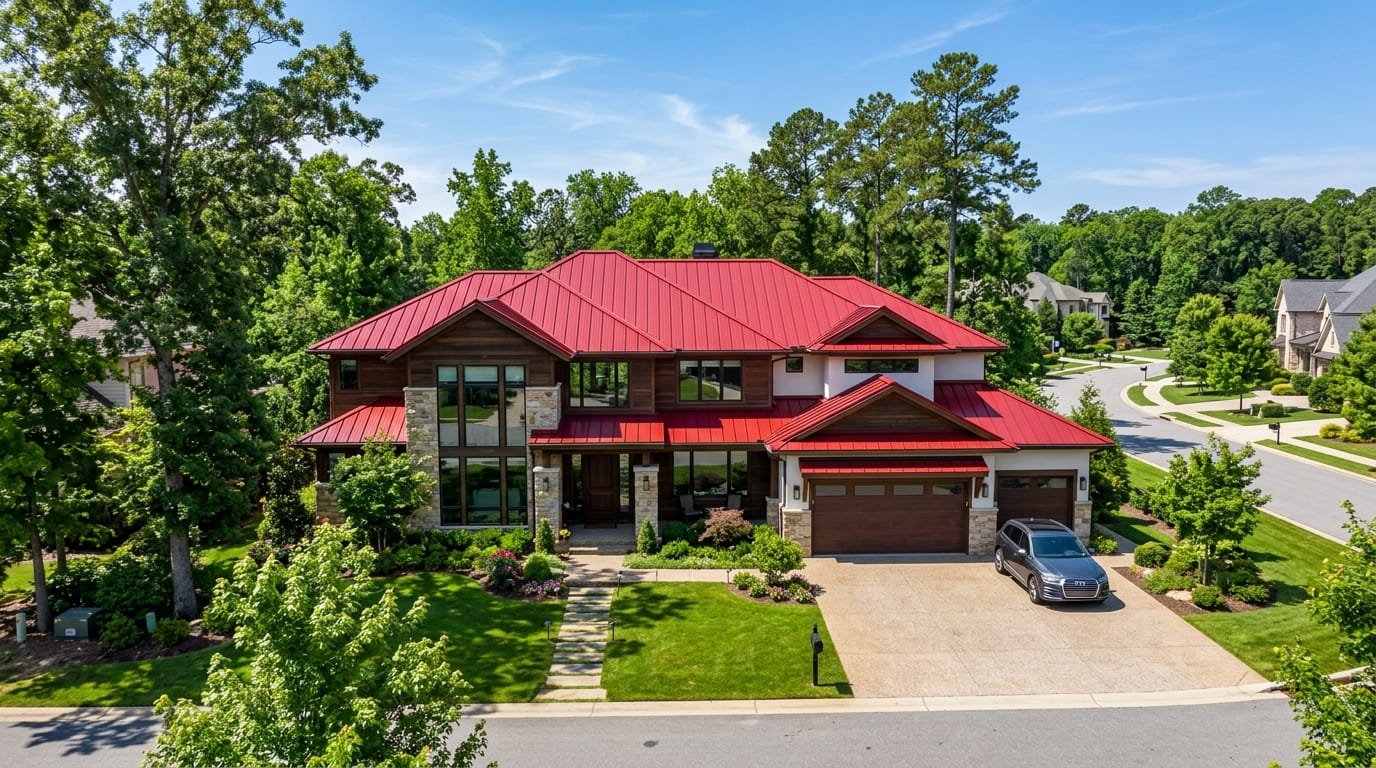
- Reds — red pigments rely heavily on organic compounds that break down rapidly under UV exposure; red is consistently the fastest-fading metal roof color
- Blues and greens — organic pigments that degrade under prolonged sun exposure
- Black — absorbs the maximum amount of solar radiation, accelerating coating breakdown
- Glossy finishes — the initial high sheen makes subsequent dullness much more noticeable by comparison
Do Light Colored Metal Roofs Fade?
Yes — light colored metal roofs do fade, but the fading is far less visible. A white roof that fades slightly still looks white. A deep red that fades the same amount looks noticeably dull and washed out. The practical difference between a light and dark roof is not whether fading occurs, it always does, but whether the fading is visible enough to bother most homeowners.
Color-by-Color Breakdown
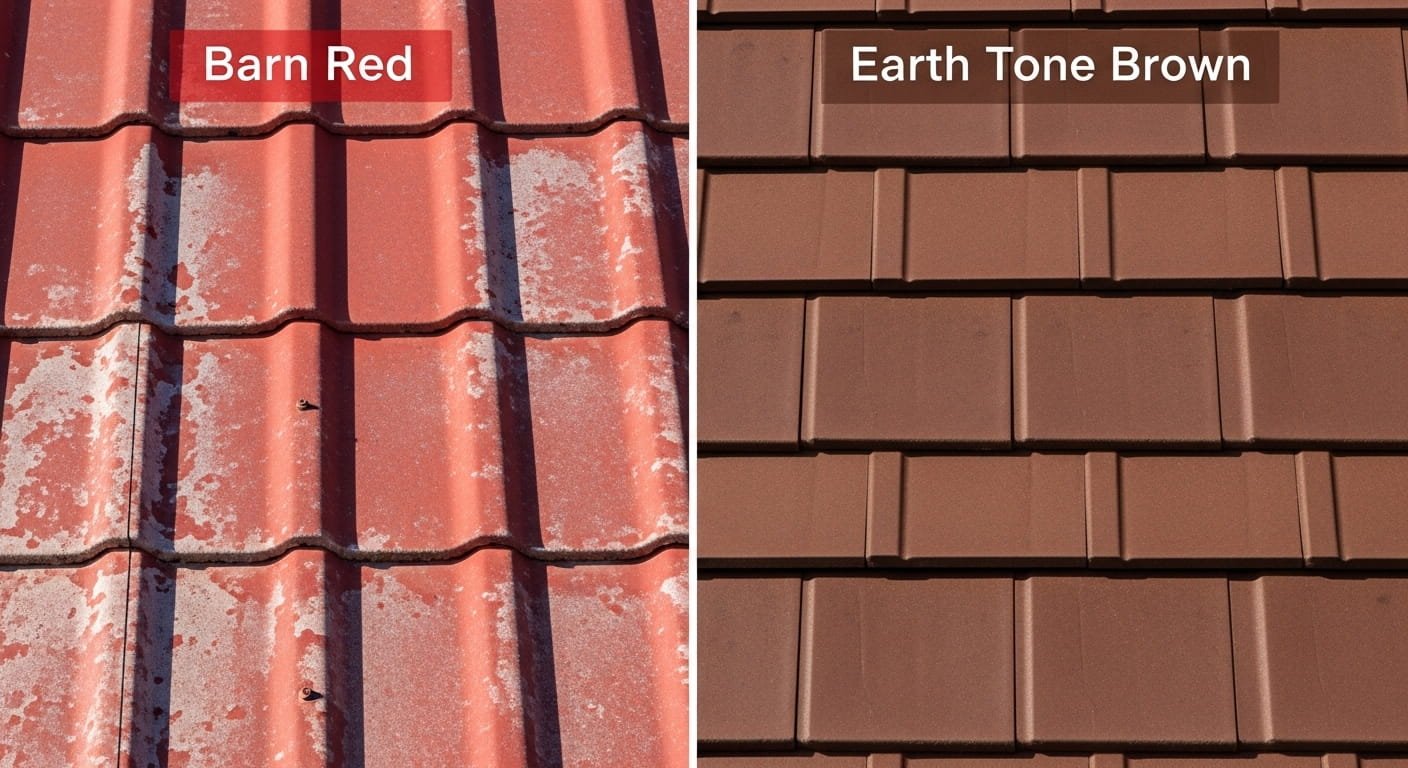
This is the question most homeowners actually want answered. Here is a direct breakdown of how the most popular metal roof colors perform over time.
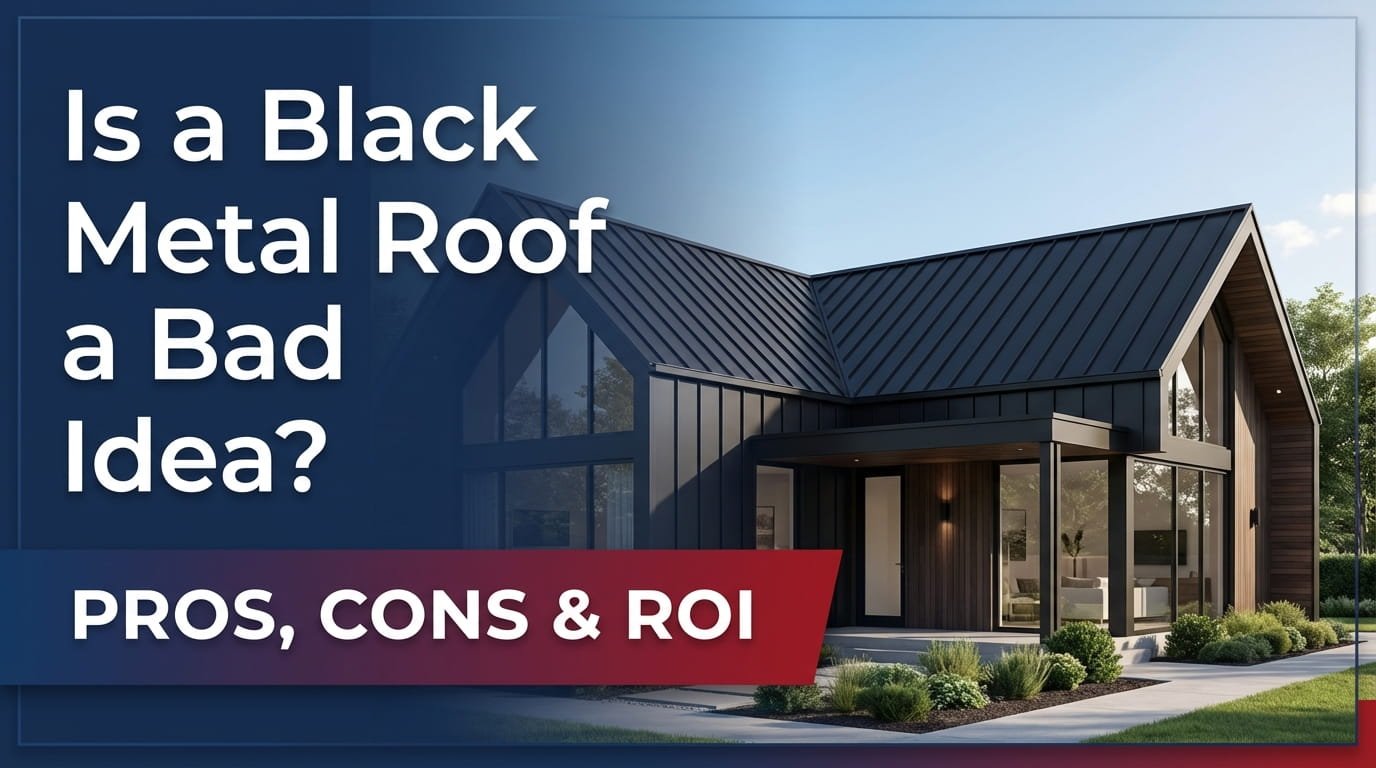
Black metal roofs are among the fastest-fading options. Black absorbs the full spectrum of solar radiation, which means the coating is under constant thermal and UV stress. Over time, black roofs typically shift toward a dark gray or charcoal appearance. With a premium PVDF coating, even black roofs can maintain acceptable color for 20+ years. With a standard polyester coating, noticeable fading can occur within 10 years.
Red is the most challenging color to maintain on a metal roof. Red pigments, particularly organic red pigments, are among the least UV-stable of any color. The photodegradation of red pigments is faster than virtually any other color family. A red metal roof with a standard SMP coating may show noticeable fading within 7 to 10 years. Choosing a PVDF coating dramatically extends color retention, but red will always require more attention than neutral tones.
Brown metal roofs perform significantly better than reds or blacks. Brown and tan colors use inorganic pigments, earth tones derived from iron oxides, that are chemically stable under UV exposure. A brown metal roof with a quality coating can maintain its appearance for 25 to 35 years with minimal noticeable fading. Brown is one of the best choices if you want a rich, warm color without the fading risk of more saturated options.
Green and blue roofs fall in the middle range. Darker, more saturated greens and blues use organic pigments that degrade faster than earth tones. Lighter, more muted greens and blues, especially those that lean toward gray-green or slate blue, use more stable pigments and hold their color better. If you want a green or blue roof, choose a muted tone over a vibrant one.
Summary Table: All Colors at a Glance
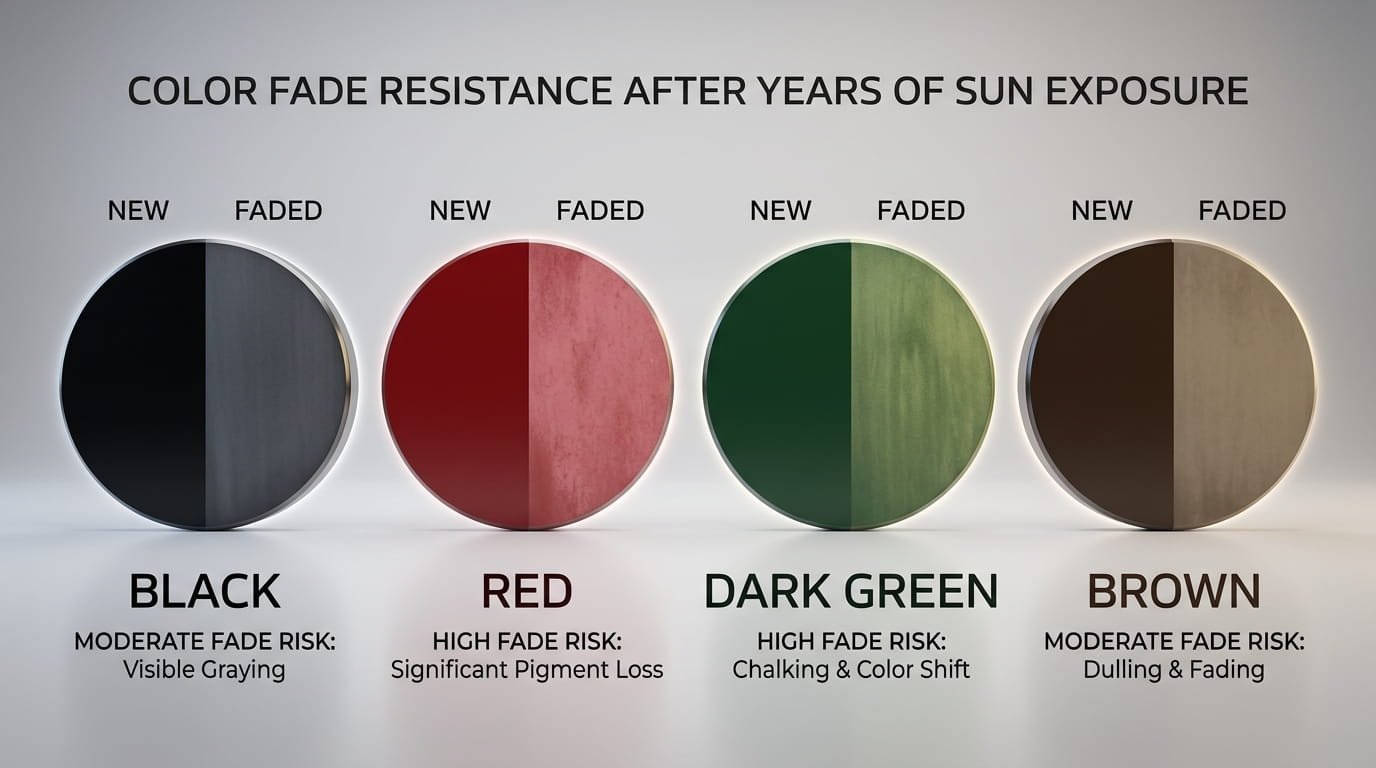
| Color | Fade Risk | Why | Best Coating |
|---|---|---|---|
| White / Beige | Very Low | Reflects UV, inorganic pigment | Any quality system |
| Light Gray | Very Low | Reflective, inorganic pigment | SMP or PVDF |
| Brown / Tan | Low | Inorganic earth-tone pigment | SMP or PVDF |
| Dark Green | Medium | Semi-organic pigment | PVDF recommended |
| Dark Blue | Medium-High | Organic pigment | PVDF required |
| Black | High | Maximum UV absorption | PVDF required |
| Red | Very High | Organic pigment, fastest breakdown | PVDF required |
Paint Systems — Why They Matter More Than Color
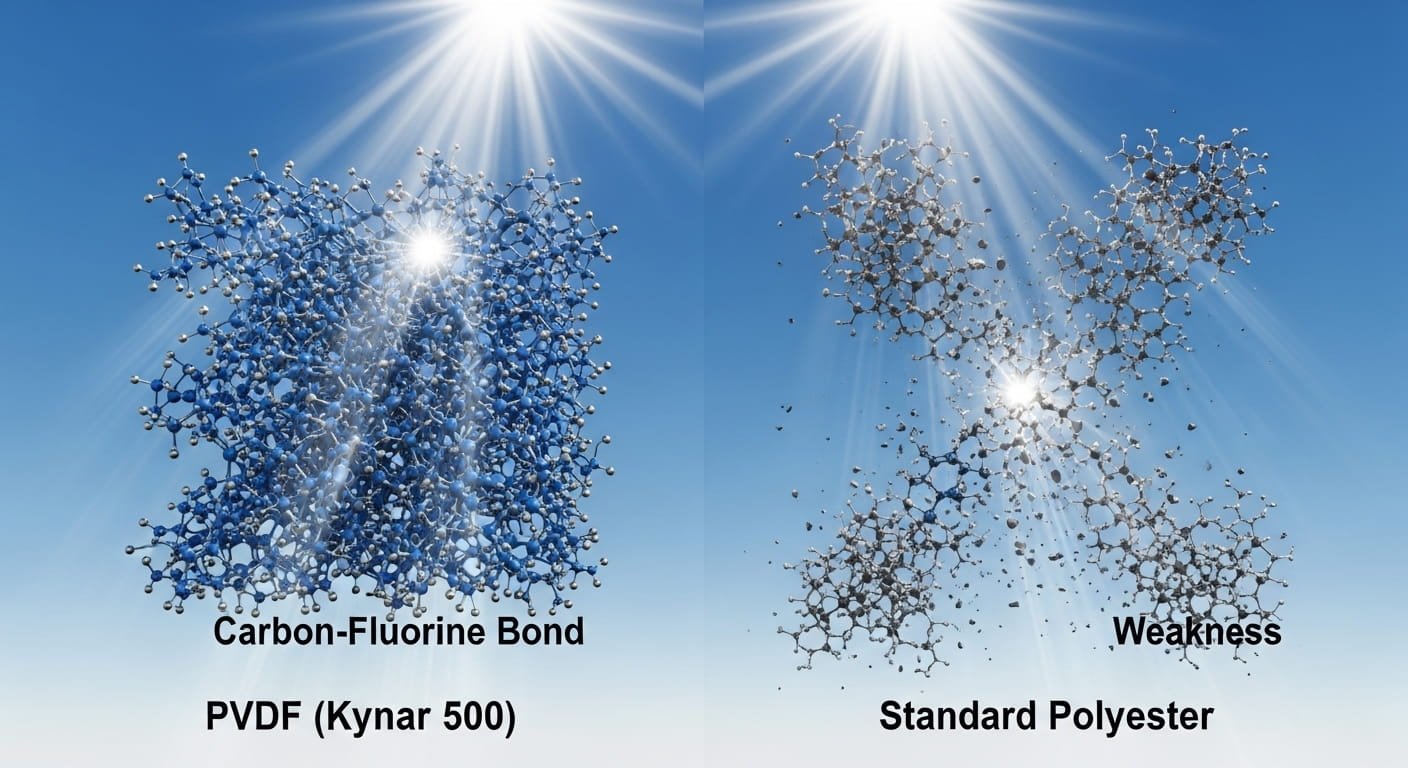
The paint system applied to a metal roof has more influence on long-term color retention than the color itself. Understanding the three main systems helps you make a better purchasing decision.
PVDF stands for polyvinylidene fluoride. It uses one of the strongest chemical bonds known, the carbon-fluorine bond, which gives it exceptional resistance to UV radiation, chemical exposure, and moisture. PVDF coatings retain color far longer than other systems and are the industry standard for premium metal roofing. If long-term color retention is important to you, specify a PVDF-coated product. Most premium metal roofing comes standard with PVDF coatings and carries 30 to 40-year paint warranties.
SMP combines polyester resin with silicone to improve weather resistance and gloss retention compared to standard polyester. It is a cost-effective option that performs adequately in moderate climates. The polyester component does absorb UV radiation over time, leading to more noticeable fading than PVDF, typically within 15 to 25 years.
Basic polyester coatings are the most economical but the least fade-resistant. They are appropriate for applications where appearance is less of a priority, but for a residential roof where curb appeal matters, standard polyester should be avoided.
How to Keep a Metal Roof From Fading
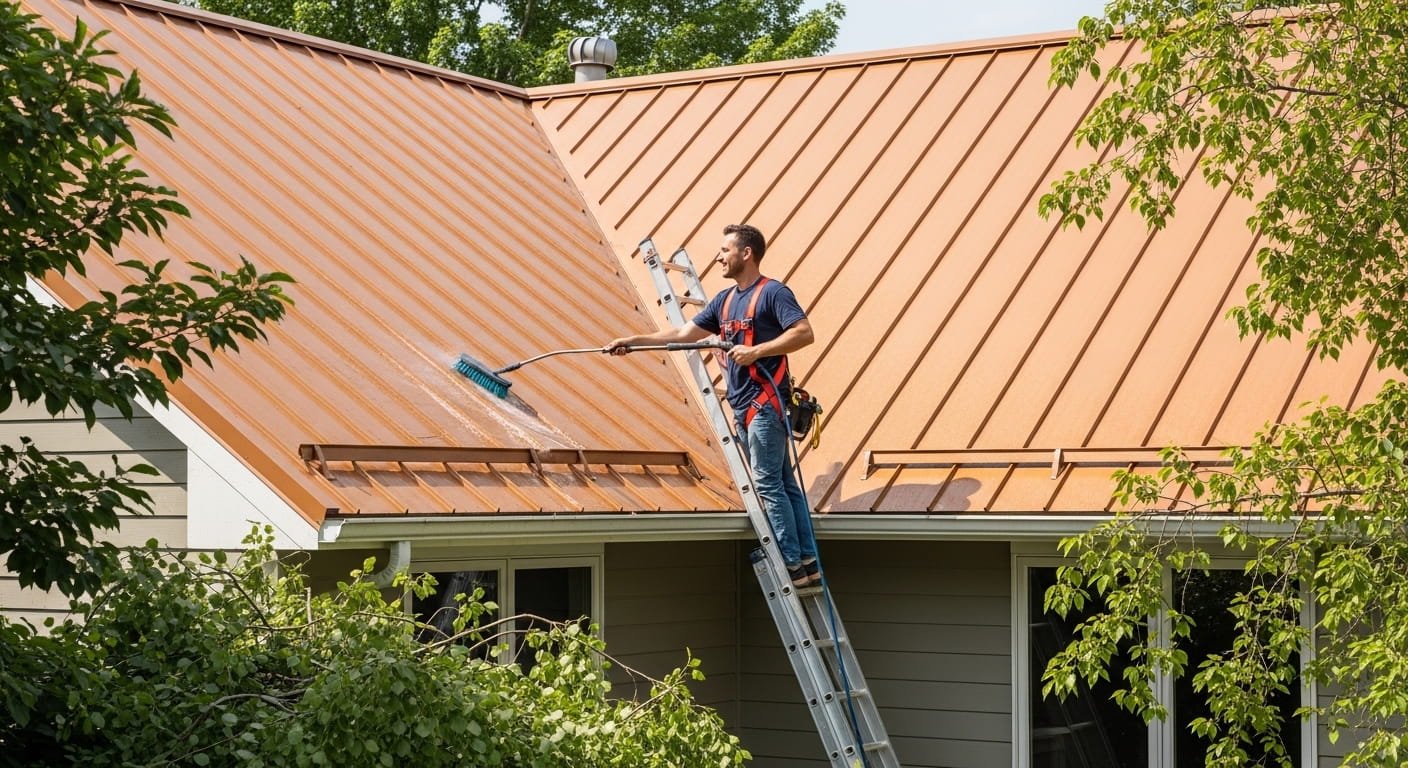
While some fading is inevitable, these steps significantly slow the process and extend your roof’s visual appeal:
| Action | When | Impact on Fading |
|---|---|---|
| Choose PVDF coating from the start | At purchase | Highest Impact |
| Select light or earth-tone colors | At purchase | High Impact |
| Clean annually with mild detergent | Every year | Medium Impact |
| Inspect for chalking or damage | Every 3–5 years | Medium Impact |
| Trim overhanging branches | As needed | Medium Impact |
| Address scratches and damage promptly | As discovered | Medium Impact |
| Ensure proper attic ventilation | At installation | Medium Impact |
Key maintenance details to keep in mind:
- Cleaning: Wash with mild detergent and low-pressure water. Avoid abrasive cleaners or high-pressure washing that can damage the coating.
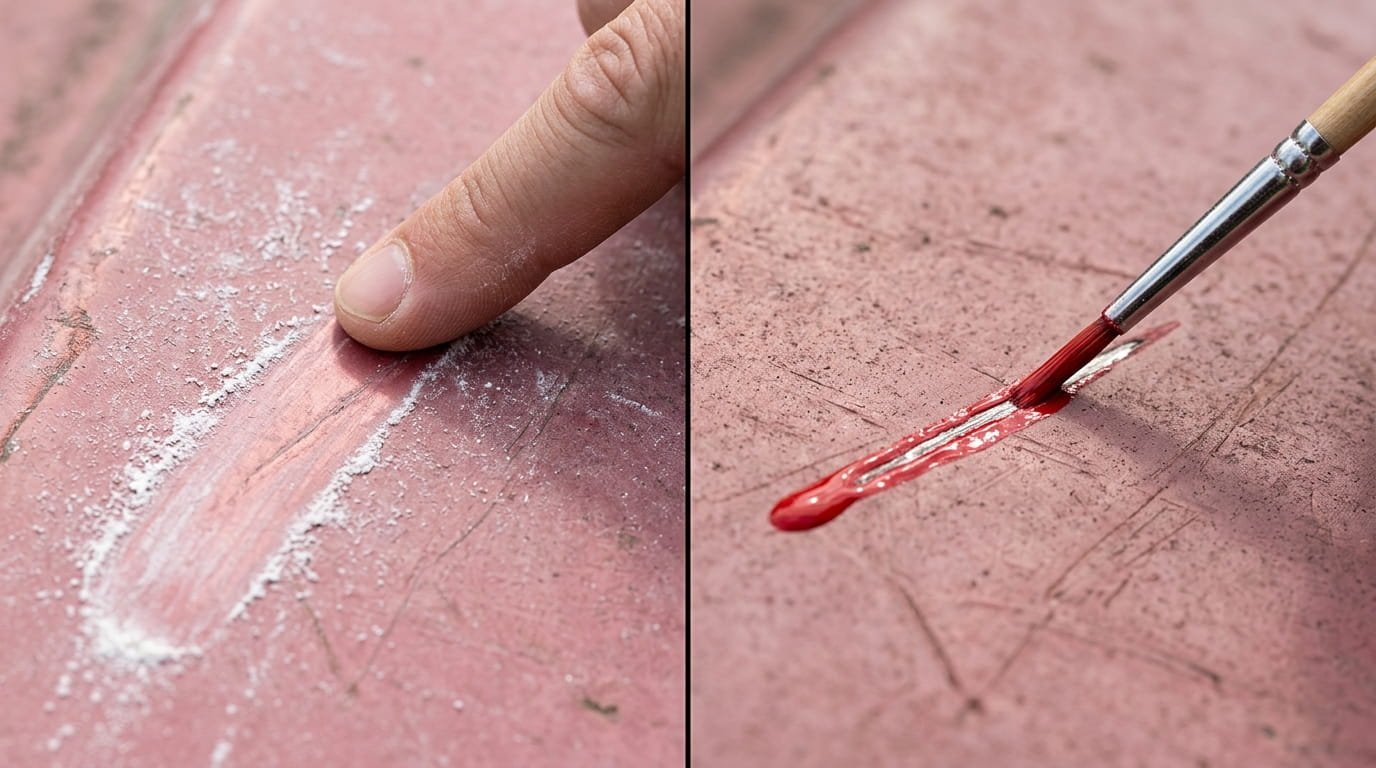
- Chalking: A white, powdery residue is a warning sign that the resin is breaking down. If found, consult a roofing professional about recoating options.
- Touch-up paint: Scratches and areas where the coating is compromised should be treated before moisture reaches the metal substrate.
- Ventilation: Adequate attic ventilation reduces heat buildup beneath roof panels, lowering thermal stress on the coating. Proper metal roof ventilation is one of the most overlooked factors in long-term performance.
Does Fading Affect Metal Roof Performance?
In most cases, no. Color fading is a cosmetic issue, not a structural one. A metal roof that has faded from deep charcoal to medium gray is still providing full weather protection, still reflecting heat, and still functioning as designed.
The exceptions are:
A powdery white residue that indicates the resin system is failing. Significant chalking means the coating is breaking down, which can eventually expose the metal substrate to corrosion. Recoating or panel replacement may be warranted.
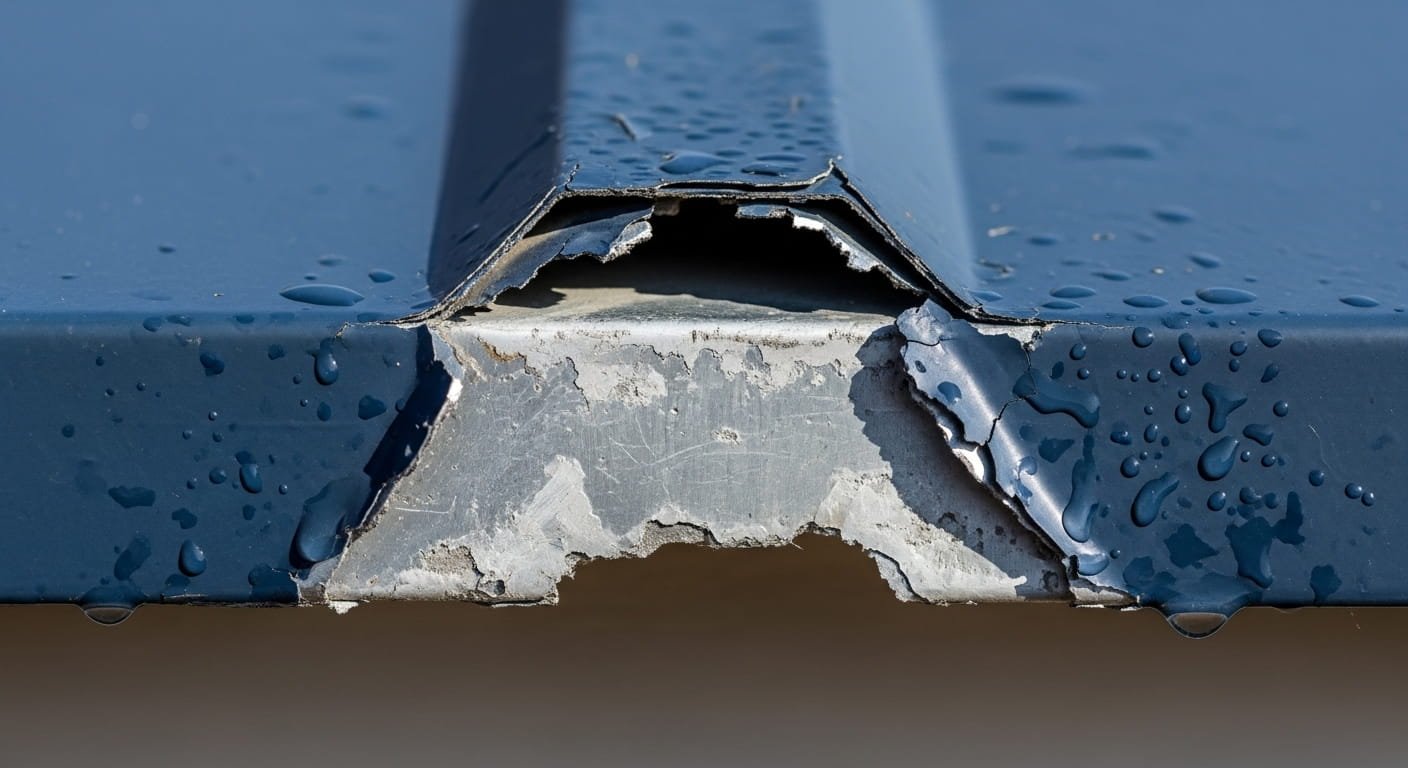
A sign of coating failure rather than normal fading. Should be addressed promptly to prevent moisture damage to the underlying metal. This is not cosmetic, it is a structural concern.
If you are unsure whether what you are seeing is normal fading or coating failure, a professional roof inspection can distinguish between cosmetic weathering and structural deterioration.
Frequently Asked Questions About Metal Roof Fading
Do metal roofs fade in color?
Yes, all metal roofs fade over time due to UV exposure, moisture, and environmental factors. However, the process is gradual, modern premium coatings can retain acceptable color for 30 to 40 years, making metal roofs far more color-stable than asphalt shingles.
How long does color last on a metal roof?
Color lifespan depends on the paint system: PVDF coatings last 30 to 40+ years, SMP coatings last 15 to 25 years, and standard polyester coatings show noticeable fading within 10 to 15 years.
What color metal roof fades the least?
Light, neutral colors, white, beige, light gray, and tan, fade the least because they reflect UV radiation rather than absorbing it, and they use inorganic pigments that are more chemically stable under sun exposure.
Do black metal roofs fade?
Yes. Black metal roofs absorb maximum UV radiation, making them one of the faster-fading options. A PVDF coating significantly extends color retention, but black roofs will show more fading over time than lighter colors.
Do light colored metal roofs fade?
Yes, but the fading is far less noticeable. A light gray or beige roof that fades slightly still looks the same color. The visual difference between a faded and unfaded light roof is minimal compared to the dramatic change seen in dark or saturated colors.
What color metal roof lasts the longest?
White, beige, light gray, and tan metal roofs with PVDF coatings have the longest-lasting color. These combinations of reflective, inorganic-pigmented colors and premium paint systems provide the best long-term appearance retention.
How do you keep a metal roof from fading?
Choose a PVDF-coated product, select light or earth-tone colors, clean annually with mild detergent, inspect every 3 to 5 years for chalking or damage, trim overhanging branches, and address any coating damage promptly with touch-up paint.
Does fading affect metal roof performance?
Normal color fading does not affect structural performance or weather protection. Fading only becomes a concern when accompanied by chalking, a powdery residue indicating resin breakdown, or peeling, which can expose the metal substrate to corrosion.
Conclusion
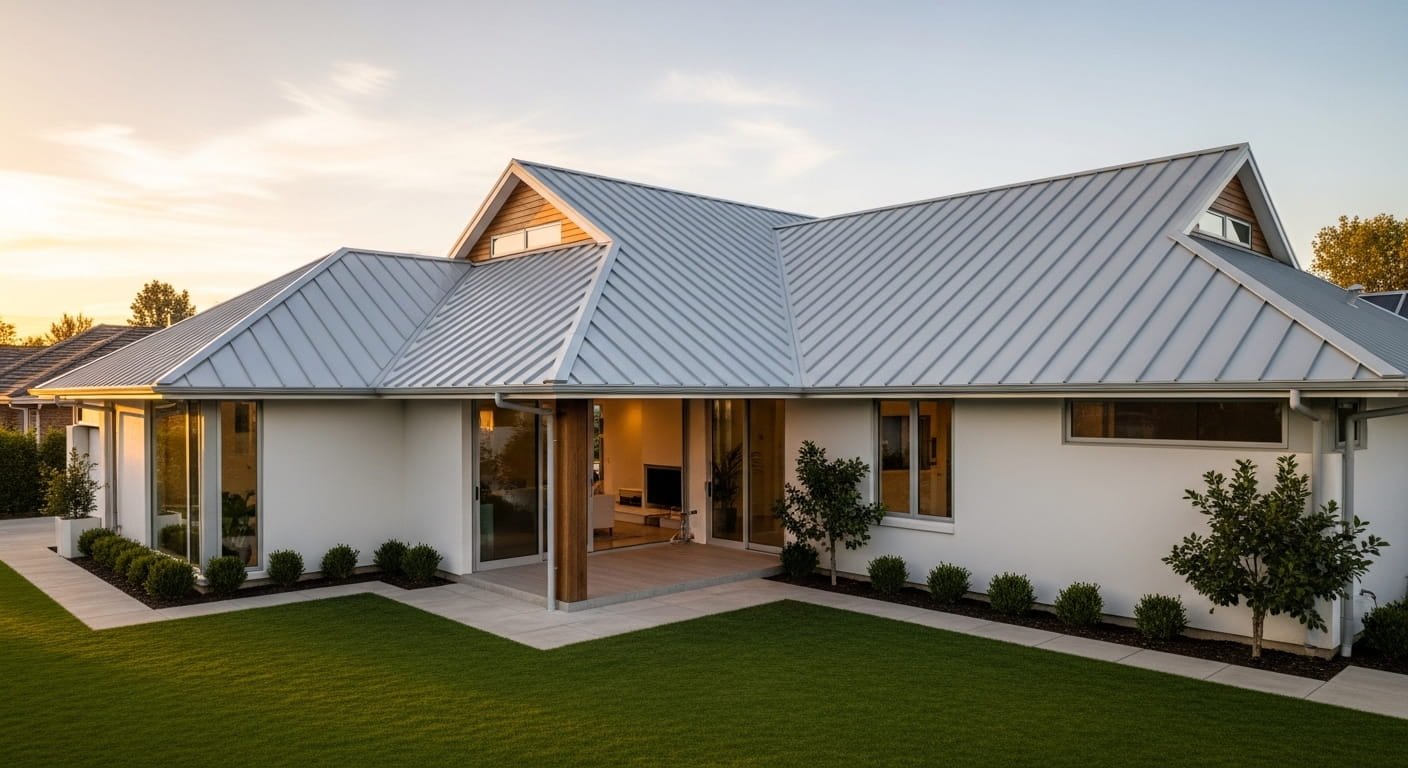
Metal roofs do fade, but slowly, gradually, and far less dramatically than most homeowners expect. With the right color choice and a quality PVDF paint system, a metal roof can look excellent for 30 to 40 years with minimal maintenance.
The practical takeaway: if long-term color retention matters to you, choose light or earth-tone colors, specify a PVDF coating, and avoid bold reds or glossy black finishes unless you are prepared to accept more visible fading over time. If you are considering a metal roof installation or want to assess the condition of an existing metal roof, EZ Roofing & Builders can help you choose the right product, color, and coating system for your home and climate.
Not sure which color or coating system is right for your home and climate? EZ Roofing & Builders can walk you through every option, and help you choose a combination that stays looking great for decades. Contact us today to get started.