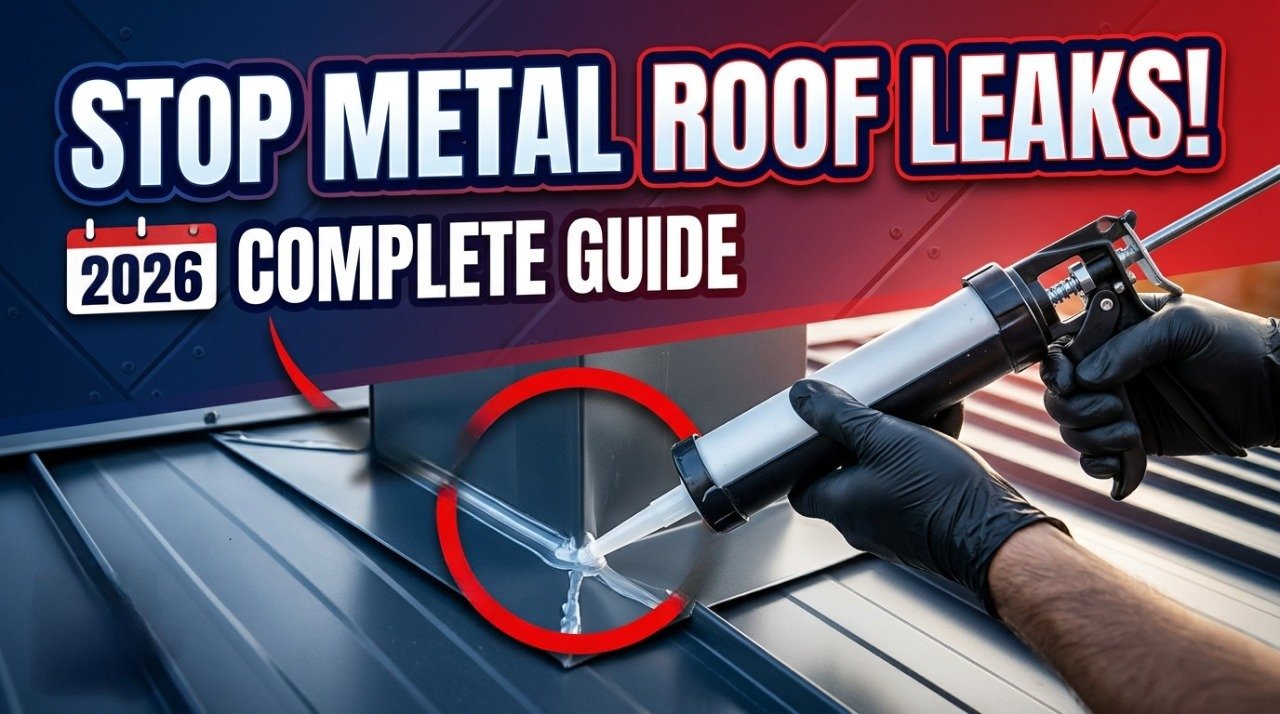
Long Island winters are no joke, sub-freezing temperatures, nor’easters, ice dams, and heavy snowfall put enormous stress on roofs every single year. And when your roof springs a leak in January, you cannot simply wait until April to fix it.
This guide covers everything Long Island homeowners need to know about winter roofing: when roofers can and cannot work, which materials hold up in the cold, what problems to expect, the real cost difference, and how to handle emergency roof repair in winter.
Do Roofers Work in the Winter?
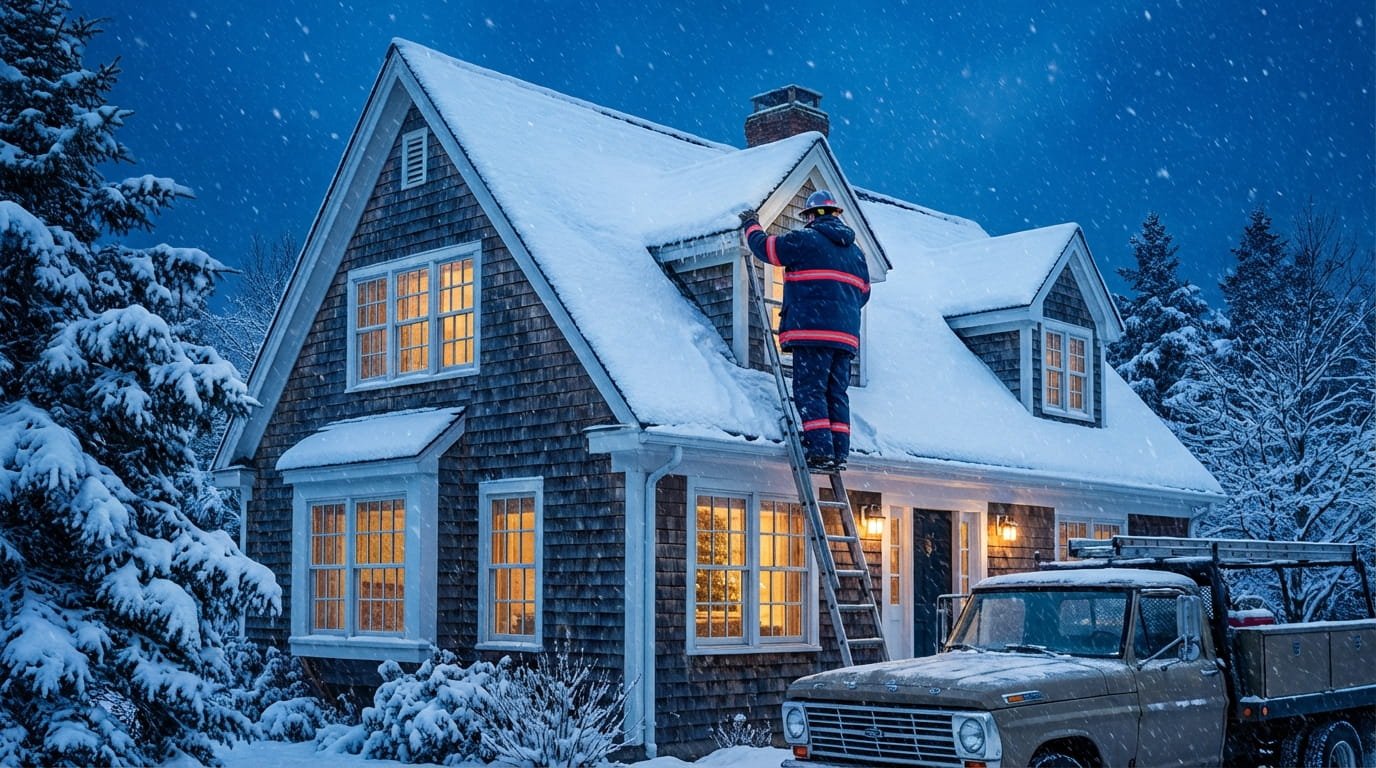
Yes, professional roofers work in the winter, but not in every condition. Whether a job can proceed depends on temperature, precipitation, wind, and the type of roofing work involved. A credible contractor will never put their crew or your roof at risk by working on an ice-covered surface or in dangerous cold.
Here is how Long Island roofers generally approach the winter season:
- Above 40°F (4°C) and dry: Full roofing work proceeds normally, replacement, installation, and repairs
- 20°F to 40°F (-6°C to 4°C): Work can continue with extra precautions, hand-sealing shingles, adjusted nailing techniques, and extended timelines
- Below 20°F (-6°C): Most roofing materials become too brittle to work with safely. Experienced crews will pause non-emergency work
- Snow, ice, or freezing rain present: Work stops entirely until surfaces are cleared and safe
Long Island averages temperatures between 25°F and 42°F in January and February. This means there are workable windows throughout winter, especially during mid-day hours, when experienced roofers can safely complete projects. A professional inspection before winter can identify which repairs are urgent and which can wait.
What Temperature Is Too Cold for Roofing in Winter?
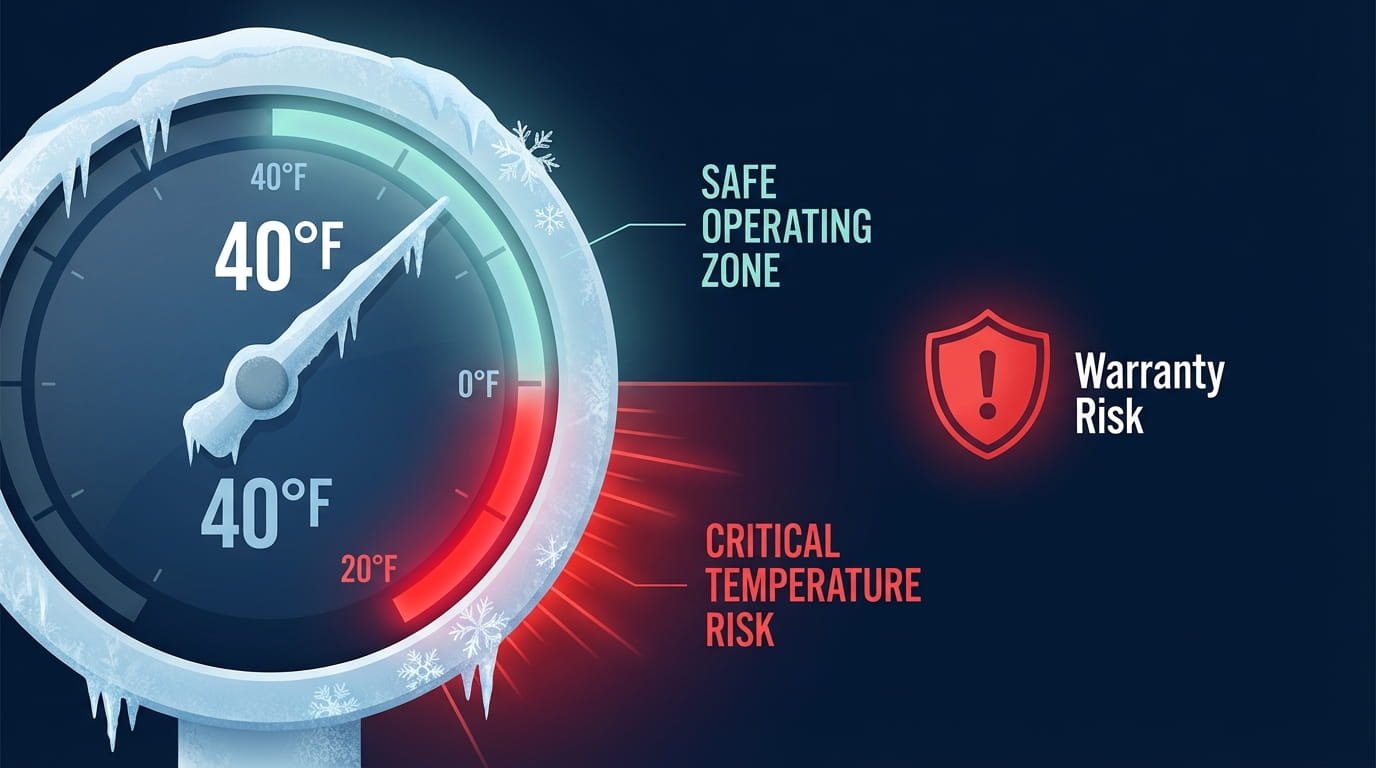
Most roofing manufacturers specify that asphalt shingles should be installed at or above 40°F (4°C). Below this threshold, shingles become stiff, brittle, and prone to cracking during nailing. The adhesive strip that seals shingles together also requires warmth to activate, in cold weather, this seal may not form until the following spring.
This does not mean roofing is impossible below 40°F, it means it requires extra steps, including hand-sealing each shingle with roofing cement. What it does critically affect is your warranty:
| Temperature Range | Roofing Feasibility | Warranty Risk | Extra Steps Required |
|---|---|---|---|
| Above 40°F (4°C) | Full work proceeds normally | No risk | Standard installation |
| 20°F to 40°F (-6°C to 4°C) | Possible with precautions | Possible, verify with roofer | Hand-seal, store materials warm, work at warmest part of day |
| Below 20°F (-6°C) | Emergency repairs only | High, most warranties voided | Hand-nail, hand-seal, heated storage, slower pace |
Always ask your contractor to confirm in writing how they will handle warranty compliance for any winter installation. A reputable roofer will address this upfront.
Can You Shingle a Roof in the Winter?
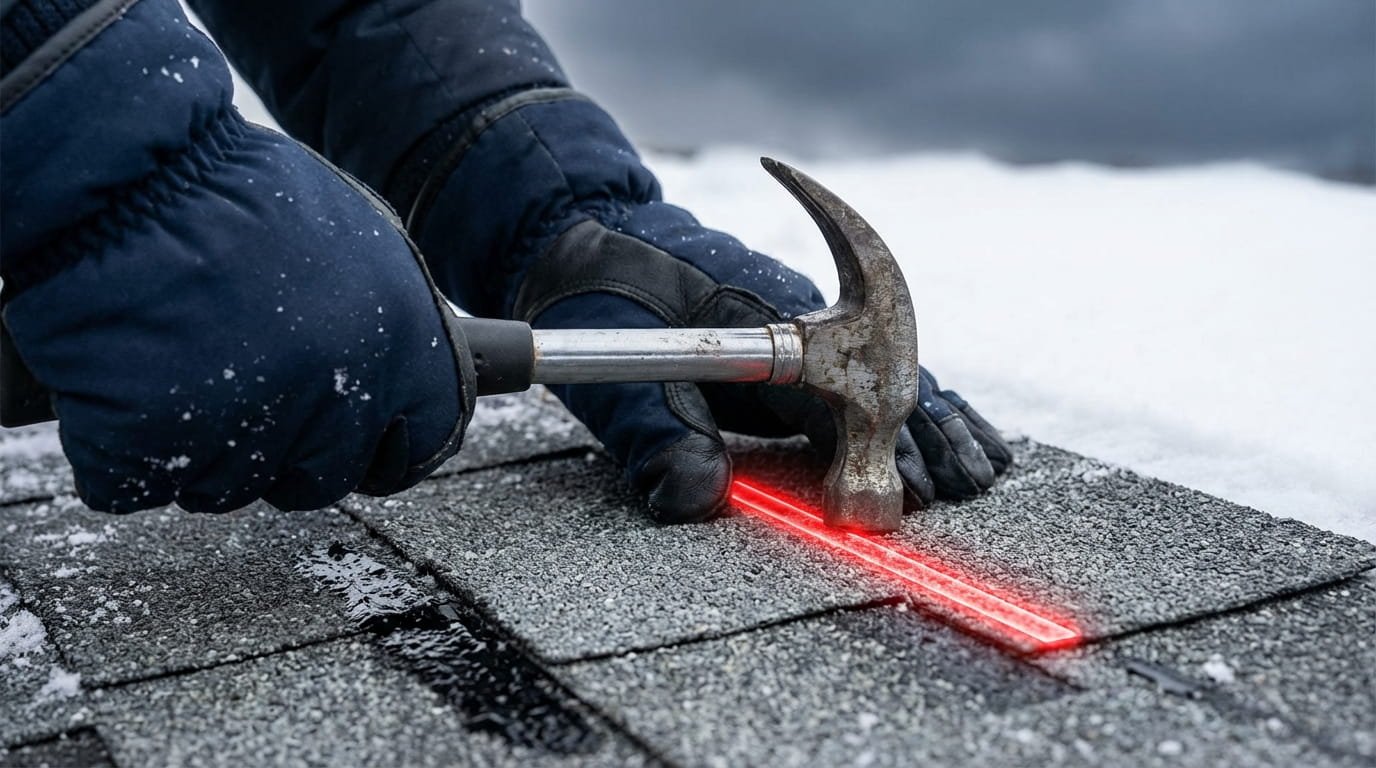
Yes, shingling in winter is doable when handled correctly. The two main concerns are nailing technique and shingle bonding, both of which require modification in cold weather.
Nailing in Cold Weather
Cold shingles are brittle. A pneumatic nail gun set for warm-weather PSI can easily blow through a cold shingle, leaving the nail head exposed rather than flush. Experienced crews either hand-nail in cold conditions or carefully adjust the nail gun pressure. Nail placement on the double-layer nailing zone is also critical, “high nailing” in winter means shingles are far more likely to blow off later.
Shingle Bonding in Cold Weather
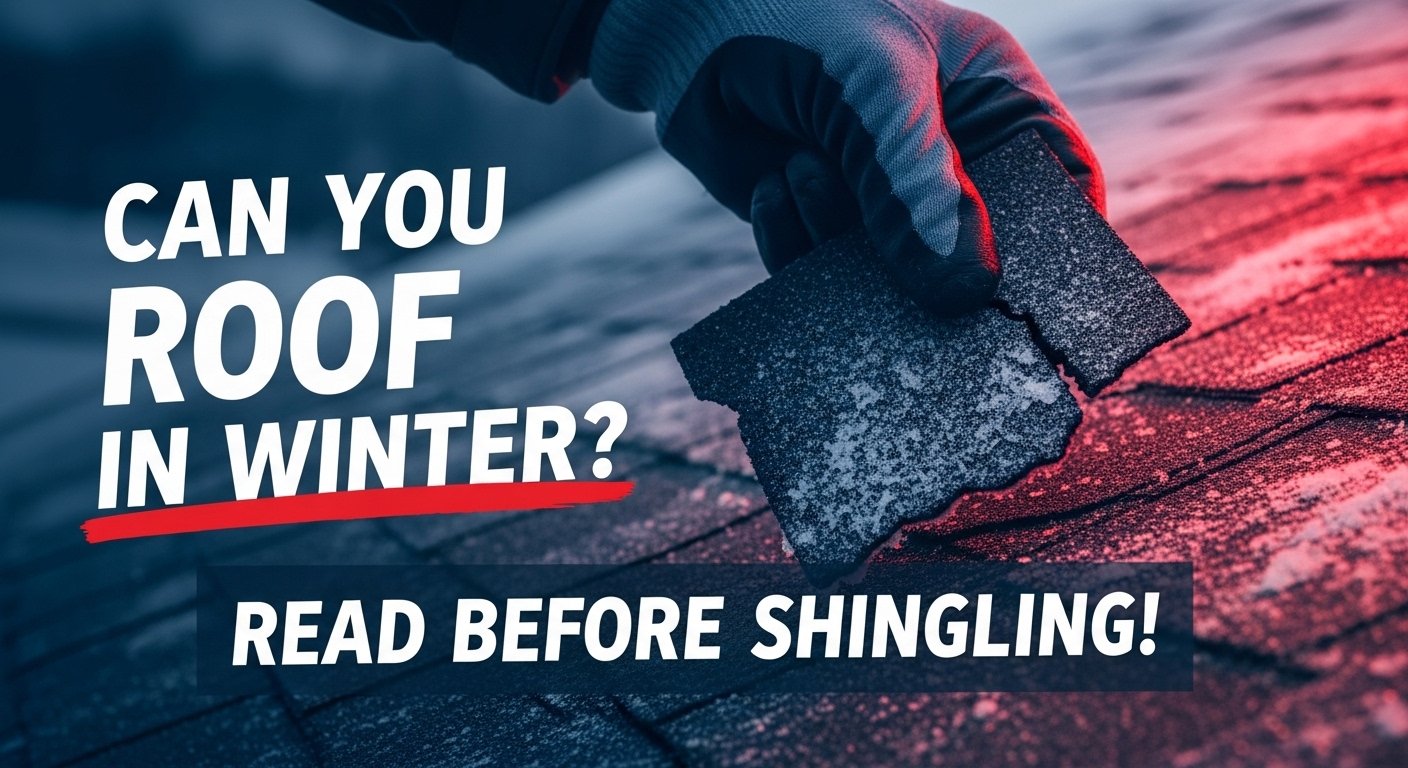
The adhesive strip on modern shingles needs heat to activate. In summer, this happens within hours. In winter, it may take several weeks, but it will bond once temperatures rise. What prevents failure in the meantime is the proper double-layer nailing zone and, if needed, hand-applied roofing cement under each tab. Premium shingles like GAF Timberline HDZ include reinforced nailing areas and fast-lock sealant systems specifically designed to perform in cold-weather installations.
Roofing in Winter Problems: What Can Go Wrong
Cold weather roofing introduces a distinct set of challenges. Understanding them is how homeowners can set proper expectations and ensure their contractor is taking the right precautions:
| Problem | Risk Level | What a Good Contractor Does |
|---|---|---|
| Brittle shingle cracking during nailing | High | Store shingles in heated space; hand-nail or adjust PSI |
| Adhesive seal not activating | Medium | Hand-apply roofing cement under each shingle tab |
| Snow and ice clearing delays | Medium | Factor extra days into project timeline; de-ice surfaces before start |
| Limited daylight (Long Island: ~9.5 hrs in Jan) | Medium | Larger crew to complete work within daylight hours |
| Warranty voiding risk | High | Document temperature at installation; follow manufacturer cold-weather protocols |
| Crew safety on slippery surfaces | High | Full PPE, harnesses, non-slip footwear, no work on iced surfaces |
Which Roofing Materials Work Best in Cold Weather?
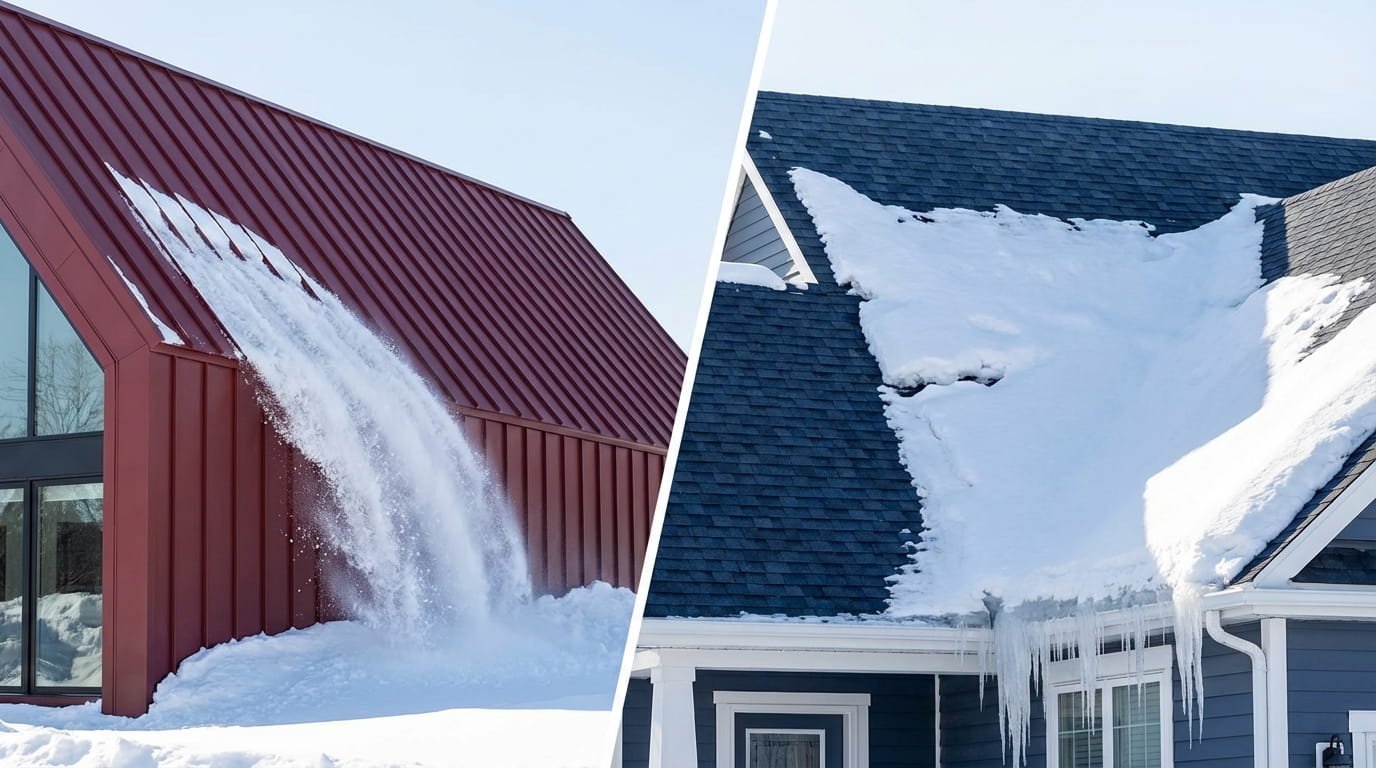
Not all roofing materials behave the same in cold weather. Here is how the most common Long Island options compare for winter installation:
Metal Roofing, Best for Winter
Metal roofing is the most winter-friendly option. It does not crack or become brittle in cold temperatures, installs without adhesive concerns, and sheds snow naturally. Metal is the top choice for Long Island homeowners planning a full replacement during the colder months.
Asphalt Shingles, Good with Precautions
The most common Long Island roofing material can absolutely be installed in winter, but requires the cold-weather technique adjustments detailed above. Premium shingles with enhanced nailing zones and fast-lock sealant systems perform best. Standard 3-tab shingles in extreme cold are a higher risk.
Modified Bitumen / Torch-Down, Excellent for Flat Roofs
For flat roofing systems, modified bitumen torch-down is the best winter option. Because installation relies on heat from a torch rather than adhesives, it performs reliably in any temperature. This is the preferred system for Long Island commercial and flat residential roofs during winter repairs.
Materials to Avoid in Winter
- Rubber (EPDM) roofing: Becomes stiff and very difficult to work with below freezing. Adhesive bonding fails in cold temperatures.
- Wood shingles / cedar shake: Need time and warmth to settle. Not recommended for winter installation.
- Clay and concrete tile: Extremely brittle in cold and dangerous on icy surfaces. Winter installation not recommended.
Winter vs. Summer Roofing: Cost, Timeline & Availability
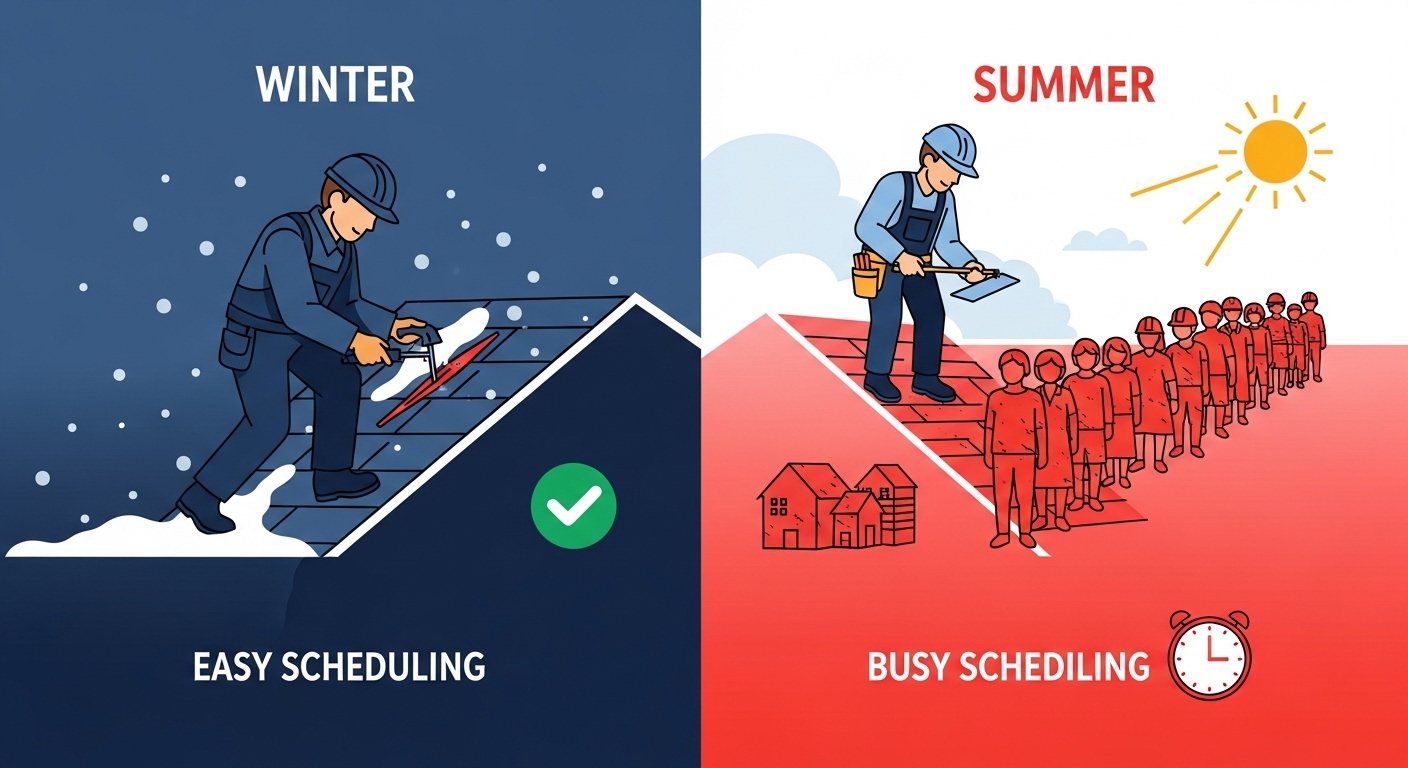
This is one of the most important factors that competitors rarely explain clearly. Roofing in winter has real cost and scheduling implications, both positive and negative:
| Factor | Winter | Summer | Verdict |
|---|---|---|---|
| Contractor availability | High, off-season, easier scheduling | Low, peak season, weeks-long wait | Winter wins |
| Material pricing | Potentially lower (off-peak demand) | Higher demand can push prices up | Winter wins |
| Labor cost | Can be slightly higher (extra crew, precautions, snow removal) | Standard rates | Summer wins slightly |
| Project timeline | Longer, weather delays, shorter days | Faster, longer days, no delays | Summer wins |
| Cost of waiting (emergency damage) | Interior damage compounds fast, acting NOW saves thousands | N/A | Never wait on active damage |
When Winter Roof Repair in Long Island Cannot Wait
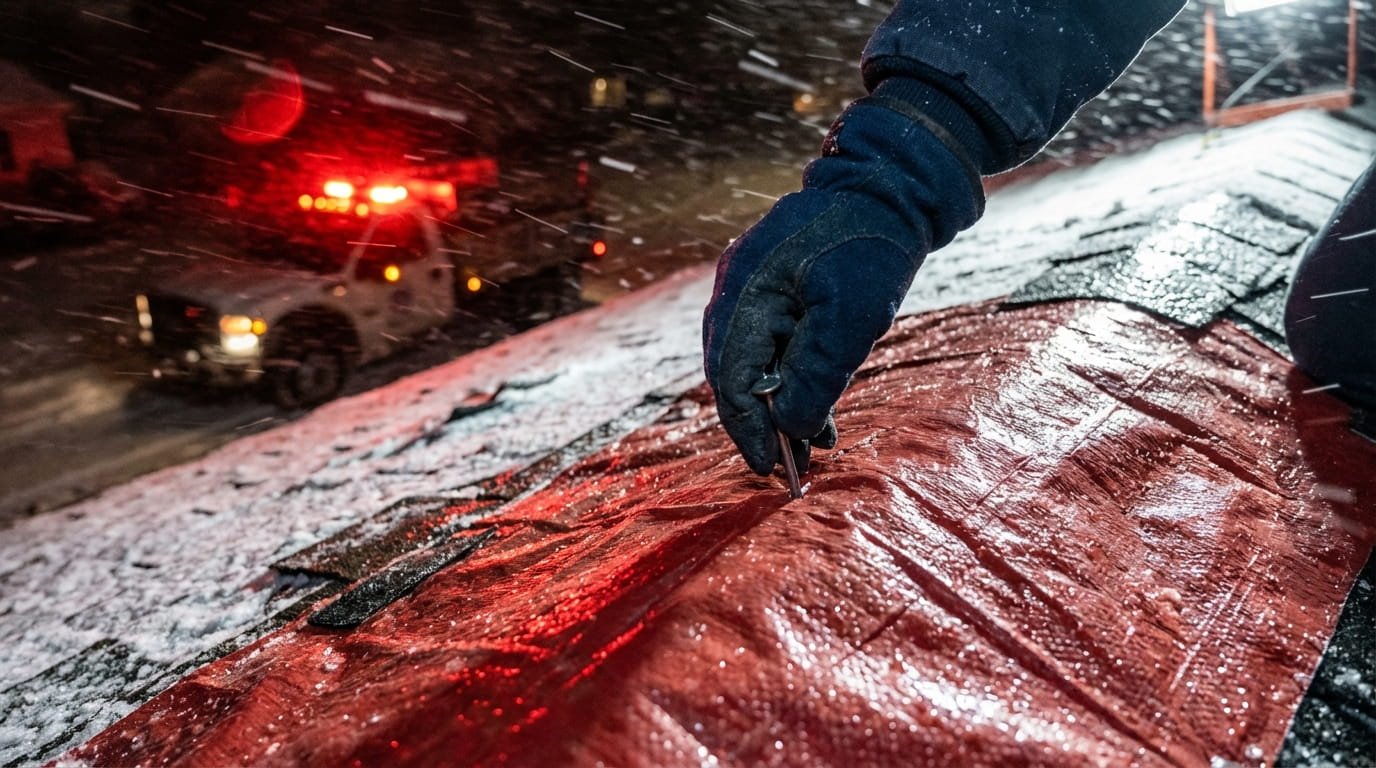
Some roof damage simply cannot wait for warmer weather. Delaying repair on any of the following conditions typically results in far greater, and far more expensive, damage to your interior, insulation, and structure:
- Active roof leak: Even a small drip leads to insulation saturation, mold growth, and ceiling collapse if left through winter
- Ice dam formation: Ice dams force water under shingles and into the home, not just an exterior problem
- Storm or wind damage: Missing shingles and exposed decking in winter will absorb water with every snow and rain event
- Structural compromise: Any sagging, cracking, or visible deck damage is an emergency regardless of season
Our emergency roofing team is available 24/7 across Long Island for exactly these situations. We deploy temporary tarping immediately and schedule permanent repair as soon as conditions safely allow.
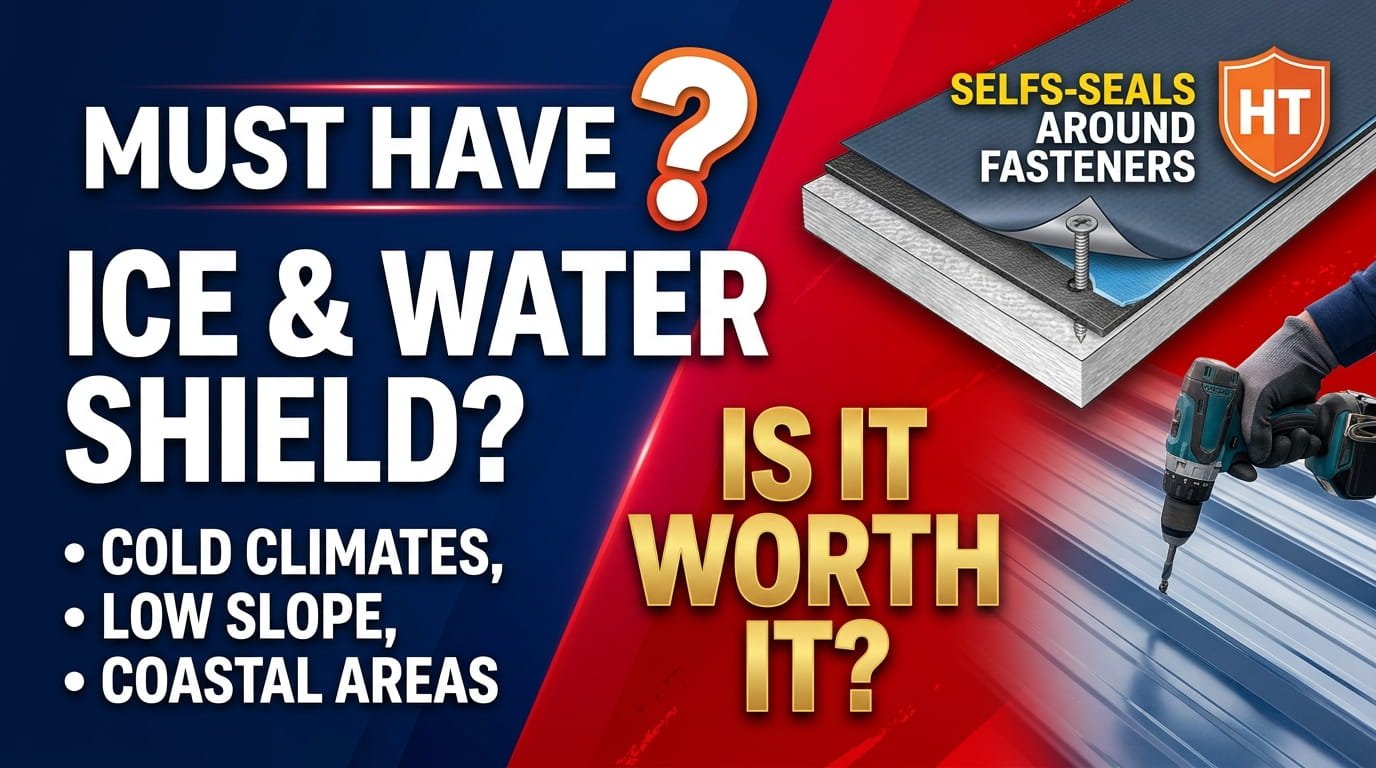
Long Island’s freeze-thaw cycle, warm days melting snow followed by overnight refreezing, is a perfect ice dam breeding condition. Ice dams form at the roof edge and prevent melting snow from draining off. Water then backs up under shingles. If you see icicles hanging from your eaves, you may already have an ice dam forming. Do not attempt to remove it yourself, improper removal causes more damage. Call a professional and review your roof maintenance plan to add proper attic insulation and ventilation, which is the real long-term prevention.
Insurance Claims for Winter Roof Damage in Long Island
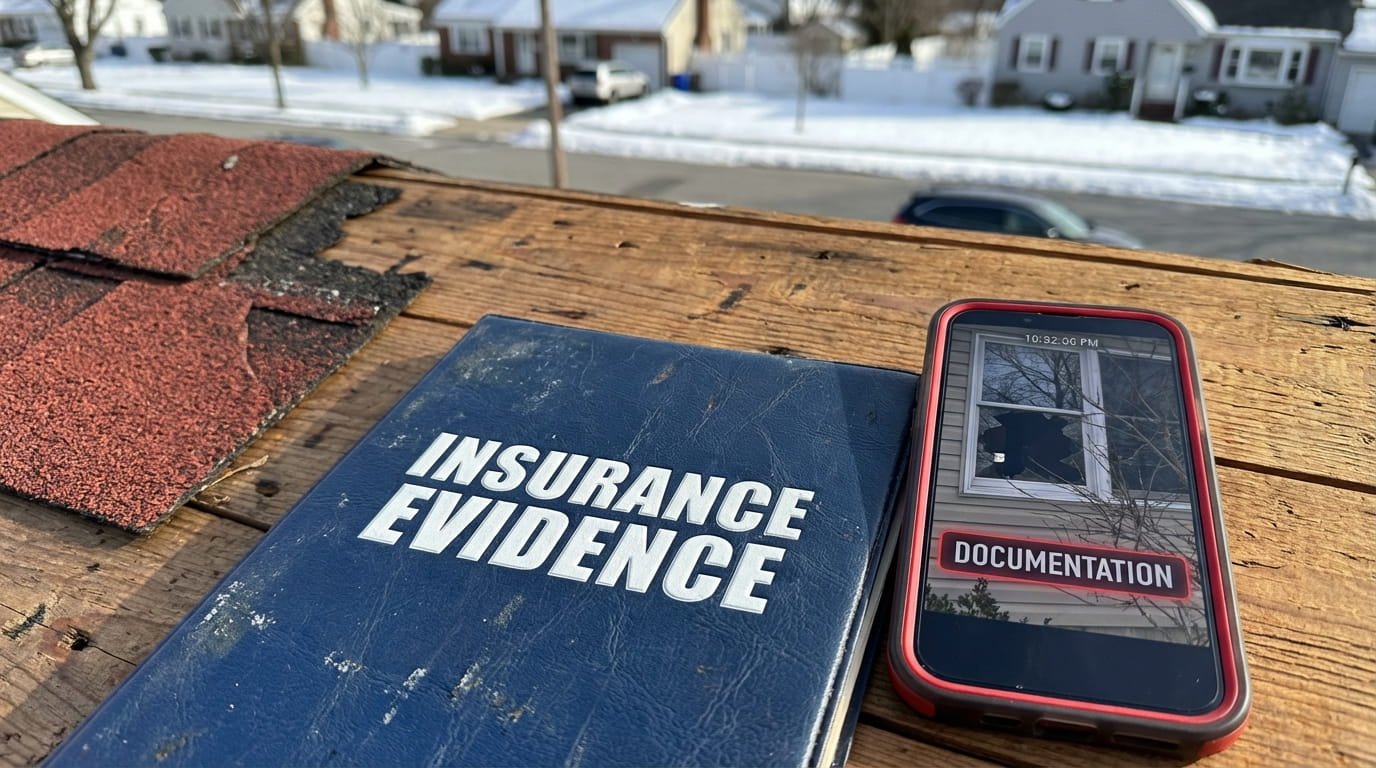
One topic competitors completely skip is how winter roof damage intersects with insurance claims. Here is what Long Island homeowners should know:
- Wind damage from winter storms and nor’easters
- Ice dam damage to interior (if caused by sudden storm event)
- Fallen tree or branch impact on roof
- Emergency tarping costs (keep all receipts)
- Ice dams from pre-existing inadequate insulation (maintenance issue)
- General wear and tear made worse by winter
- Damage from a roof already known to be deteriorated
- Flood or water backup without a separate endorsement
Always photograph damage immediately after a storm, timestamped photos are your strongest claim evidence. Do not make permanent repairs until your adjuster has documented the damage. For guidance on roof replacement after a winter claim, our team can walk you through the full process.
Pros and Cons of Roofing in the Winter
- Faster scheduling: No 4–6 week summer backlog
- Potential off-season pricing: Some savings on materials and labor availability
- Prevents compounding damage: Stopping a leak now costs far less than mold remediation in spring
- Immediate protection: Home is secured through the rest of winter
- Weather delays: Projects can take longer than summer equivalents
- Slightly higher labor cost: Extra precautions, snow removal, larger crew required
- Warranty considerations: Requires experienced contractor following cold-weather protocols
- Material limitations: Some materials simply should not be installed in extreme cold
Frequently Asked Questions About Roofing in Winter
Can you do roofing in the winter in Long Island?
Yes. Long Island’s winters include workable temperature windows, especially in the 30°F–45°F range common during mid-day in December through February. An experienced roofing contractor familiar with Long Island conditions can safely complete most roofing projects during these windows, with emergency repairs possible in nearly any conditions.
What temperature is too cold for roofing in winter?
Manufacturer guidelines typically specify 40°F (4°C) as the recommended minimum for asphalt shingle installation. Experienced roofers can work down to about 20°F (-6°C) with hand-sealing and adjusted nailing techniques. Below 20°F, most non-emergency work should be paused, and warranty voiding risk is high.
Does roofing in winter void the warranty?
It can, if cold-weather installation protocols are not followed. A reputable contractor will document the temperature at the time of installation, use manufacturer-approved cold-weather methods (hand-sealing, adjusted nailing), and can provide you with confirmation of warranty compliance. Always ask about this specifically before work begins.
Is winter roof repair more expensive than summer?
It depends on the project type. Labor can be slightly higher in winter due to extra safety precautions, snow removal, and larger crew requirements. However, material pricing may be lower in the off-season, and contractor availability is much better. For emergency repairs, the cost of waiting, mold, water damage, insulation replacement, nearly always exceeds the marginal premium for winter work.
Can you shingle a roof in the winter?
Yes, with the right technique. Shingles must be stored in a heated space before installation, hand-sealed with roofing cement, and carefully nailed to avoid cracking. Premium shingles with reinforced nailing zones and fast-lock sealant systems, like GAF Timberline HDZ, are the best choice for winter shingling.
How long does roofing in winter take compared to summer?
Winter roofing projects typically take 20–40% longer due to shorter daylight hours (Long Island sees roughly 9.5 hours of daylight in January vs 15 in June), daily snow/ice clearing, and slower material handling. A 1–2 day summer job may take 2–3 days in winter. Your contractor should give you a realistic weather-adjusted timeline upfront.
The Bottom Line on Roofing in Winter
Roofing in the winter on Long Island is not only possible, in many cases, it is the right decision. When your roof is actively leaking, storm-damaged, or has ice dam issues, waiting until spring means months of water intrusion, potential mold growth, and a repair bill that grows with every storm. The key is choosing a contractor who understands cold-weather roofing, uses the right materials and techniques, and is honest about what can and cannot be safely done in the conditions.
- For emergency repairs, act immediately, do not wait
- For planned replacements, winter can work in your favor for scheduling and pricing
- For preventive maintenance, schedule a roof inspection before winter sets in and again in early spring
- For ice dam concerns, address attic insulation and ventilation as part of your year-round maintenance plan
EZ Roofing & Builders has served Long Island homeowners through every season, including the toughest winters Nassau and Suffolk County can deliver. Whether you have an active emergency, storm damage, or are simply planning ahead, our team will give you an honest assessment of what your roof needs and when it needs it. Contact us today for a free estimate.