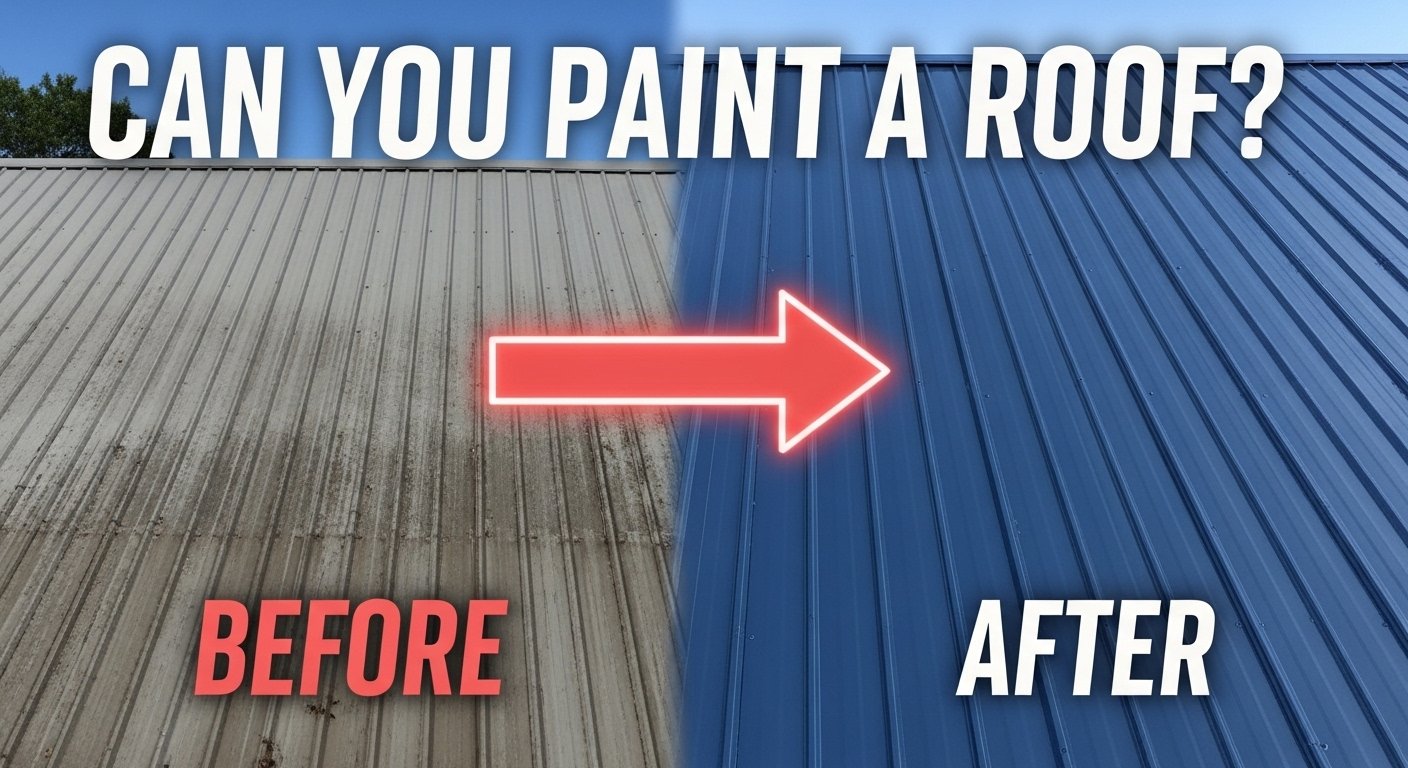
You’re standing in your driveway, looking up at your faded, weathered roof. The color that once made your home stand out on the block has dulled to an embarrassing shade that screams “neglect.” You know a full roof replacement would cost $15,000 or more, money you’d rather spend on literally anything else. So the question hits you: Can you paint a roof?
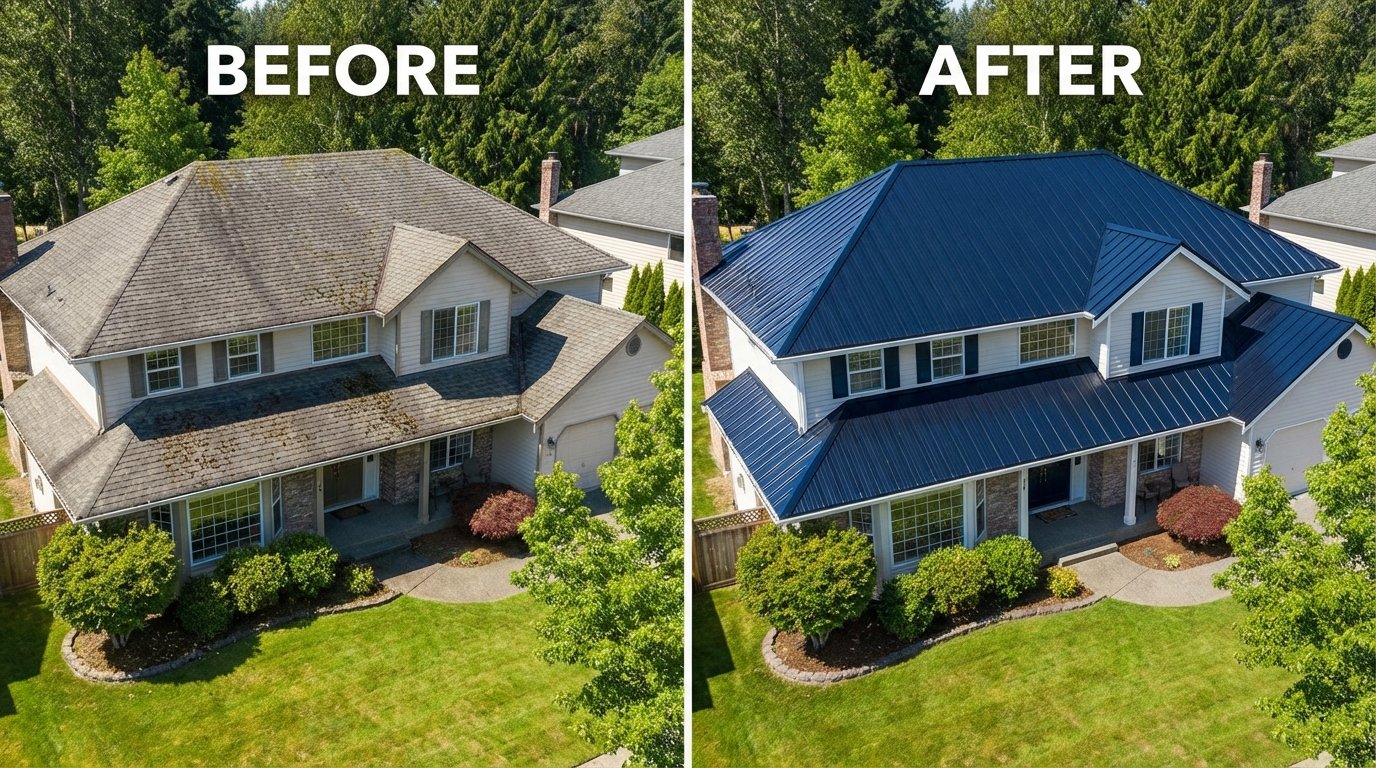
The short answer is yes, but like most home improvement projects, there’s a right way and a dozen wrong ways to do it. Painting a roof isn’t as simple as slapping on a coat of exterior paint and calling it a day. The type of roofing material, the climate you live in, and the prep work you’re willing to do all determine whether your roof painting project will be a stunning success or a peeling, bubbling disaster within a year.
This guide will walk you through everything you need to know about painting roofs, from which materials actually work with paint to realistic cost expectations, common mistakes that waste money, and whether you should tackle this as a DIY project or call in the pros.
Can You Paint Your Roof? Material by Material Breakdown
Not all roofing materials are created equal when it comes to paint. Some surfaces accept paint beautifully and hold color for over a decade. Others resist adhesion so stubbornly that even the best primers struggle to make paint stick past the first heavy rain.
Painting Metal Roofs: The Best Candidate
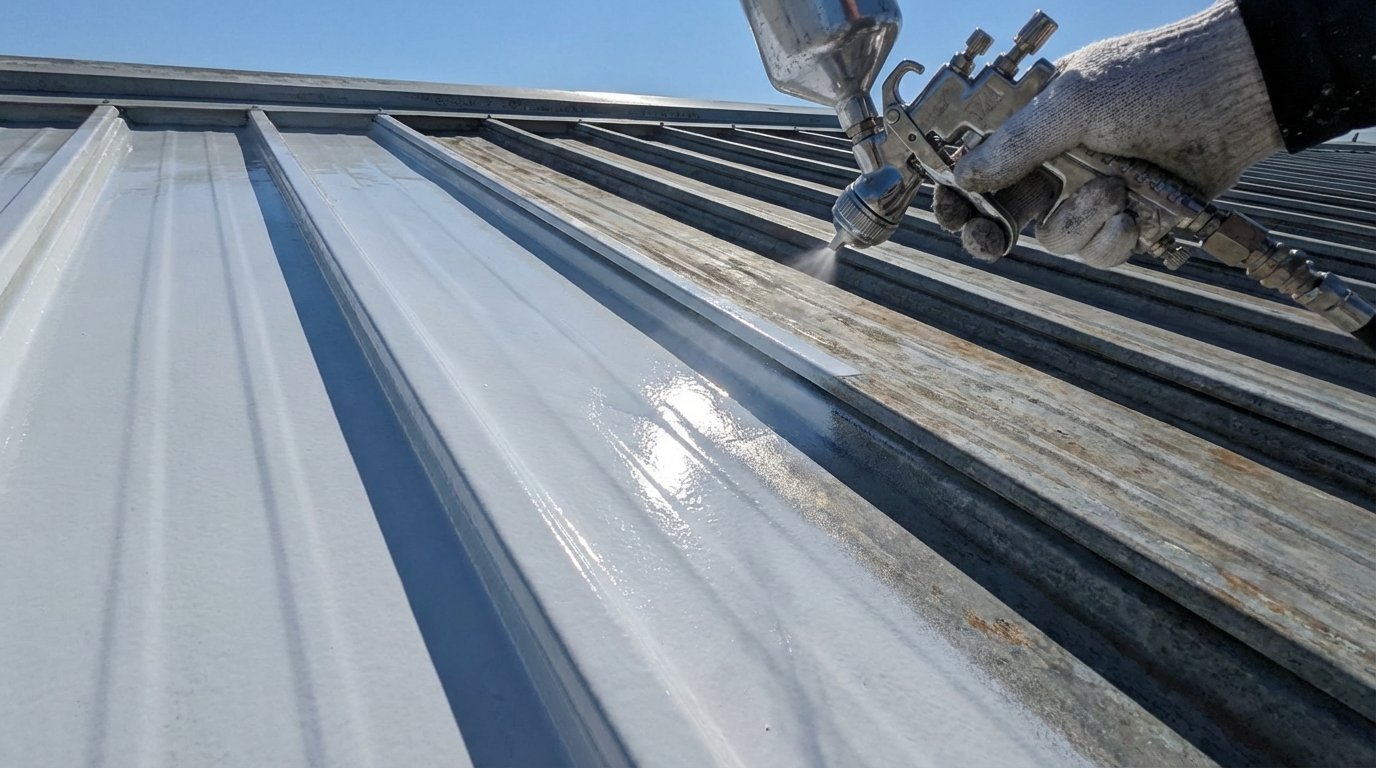
If you have a metal roof, you’ve hit the jackpot for painting roof projects. Metal roofs are among the most paint-friendly surfaces out there. With proper preparation and the right coating, a freshly painted metal roof can last 10-15 years before needing another coat.
Here’s why metal roofs work so well with paint:
Steel and aluminum roofing materials create a smooth, non-porous surface that, once properly cleaned and primed, bonds exceptionally well with acrylic latex or elastomeric coatings. The real magic happens when you use reflective roof paint, these specialized coatings can reduce your roof surface temperature by 50-60 degrees on a scorching summer day, directly translating to lower cooling bills.
The process for painting metal roofs:
- Power wash the entire surface to remove dirt, oxidation, and loose paint (if repainting)
- Treat rust spots with a wire brush and rust converter, don’t skip this or you’ll see rust bleeding through within months
- Apply a rust-inhibiting metal primer to ensure paint adhesion and prevent future corrosion
- Use two coats of high-quality acrylic latex paint or elastomeric roof coating
- Allow 24-48 hours of dry weather for proper curing
The key to success? Surface prep is 80% of the job. Rush through cleaning and priming, and you’ll be repainting in 2-3 years instead of 10-15. Proper metal roof ventilation also plays a critical role in ensuring paint adheres correctly and lasts longer.
Can You Paint Asphalt Roof Shingles?
This is where paint roof projects get tricky. Asphalt shingles are the most common roofing material in America, but they’re not the ideal candidate for painting. Can it be done? Yes. Should it be your first choice? Usually not.
The challenges with painting asphalt shingles:
Shingles are designed to breathe, they need to release moisture that accumulates in your attic. When you paint them, you’re essentially creating a vapor barrier that can trap moisture underneath. This trapped water accelerates the deterioration of the shingles themselves, potentially cutting years off your roof’s lifespan. Understanding how shingles are bundled and structured helps explain why their granule surface makes paint adhesion particularly challenging.
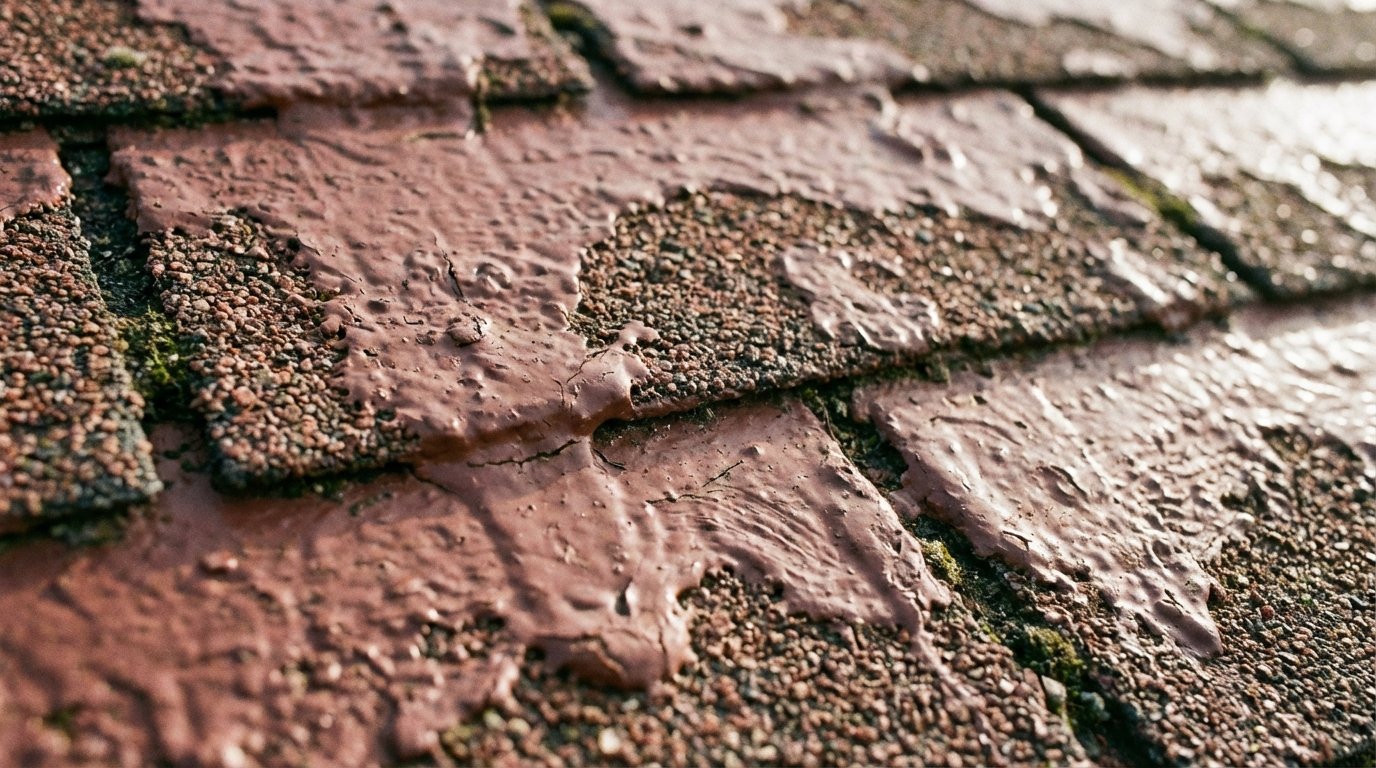
If you decide to paint asphalt shingles anyway, follow these rules:
- Only paint shingles in good condition (no curling, cracking, or missing granules)
- Use 100% acrylic latex paint specifically formulated for roofing
- Apply only on completely dry shingles after at least 3-4 days of no rain
- Expect to repaint every 5-7 years as UV exposure and granule wear break down the coating
- Never paint shingles that are more than 15 years old, at that point, you’re better off replacing them
The honest truth: Painting asphalt shingles is more of a temporary cosmetic fix than a long-term protective solution. If your shingles are in bad enough shape to need painting, they’re probably close to needing replacement anyway. You may also want to check for black streaks on your roof shingles before painting, as algae and mold growth must be fully treated first or the paint won’t bond properly.
Can You Paint a TPO Roof?
TPO (Thermoplastic Polyolefin) is one of the most popular commercial flat roofing membranes, and the answer to “can you paint a TPO roof?” is technically yes, but not in the traditional sense.
TPO’s surface is specifically engineered to resist bonding with most substances, that’s what makes it waterproof. Standard paint won’t adhere to it at all. However, you can apply specialized reflective elastomeric coatings designed specifically for TPO membranes.
Critical warnings for TPO roof coating:
- Use only manufacturer-approved coatings or you’ll void your warranty
- Thoroughly clean the surface with a TSP (trisodium phosphate) solution to remove all contamination
- Some TPO manufacturers require a bonding primer before coating
- Non-approved coatings can cause premature membrane failure
- Professional installation is strongly recommended, DIY mistakes are expensive to fix
Most roofing professionals recommend TPO roof restoration through specialized coatings rather than traditional painting. These coatings can extend the life of your TPO roof by 10-15 years while improving reflectivity. For large commercial buildings, always consult a commercial roofing specialist before proceeding.
Painting Roof Panels: Polycarbonate and Other Materials
Polycarbonate roof panels, commonly used for patios, greenhouses, and skylights, present unique challenges. These clear or frosted panels are chosen specifically for light transmission, painting them defeats the purpose.
If you must paint polycarbonate panels:
- Use only UV-resistant paints designed for plastics
- Apply with a sprayer (brushes and rollers leave visible streaks)
- Accept that you’ll lose most of the light transmission benefit
- Expect the paint to last only 3-5 years due to thermal expansion and contraction
Better alternatives: Most homeowners find that replacing polycarbonate panels with pre-tinted or colored versions is more cost-effective than painting existing clear panels.
Painting Galvanized Metal Roofing
Galvanized steel roofing has a protective zinc coating that makes paint adhesion challenging, but not impossible. The zinc layer actively resists bonding with most paints, which is why you see so many galvanized roofs with peeling, flaking paint jobs.
The secret to successfully painting galvanized roofing:
- Weather the roof naturally for 6-12 months (if new) to allow surface oxidation, OR clean thoroughly with a white vinegar solution (1:1 ratio) to etch the surface
- Use a galvanized metal primer specifically formulated to bond with zinc coating
- Apply acrylic latex paint designed for metal surfaces
- Expect to repaint every 8-12 years depending on climate and sun exposure
Skip the proper primer, and you’ll watch your paint job literally peel off in sheets within 18-24 months. Keep in mind that good metal roof insulation beneath the surface also reduces the thermal stress that causes paint to crack and peel prematurely.
How to Paint a Roof: Essential Preparation Steps
Whether you’re tackling this as a DIY project or hiring professionals, understanding proper preparation prevents costly mistakes. Before starting, it is crucial to schedule a professional roofing inspection to ensure the structure is sound.
Surface Preparation: The Make-or-Break Step
For all roof types, follow this preparation sequence:
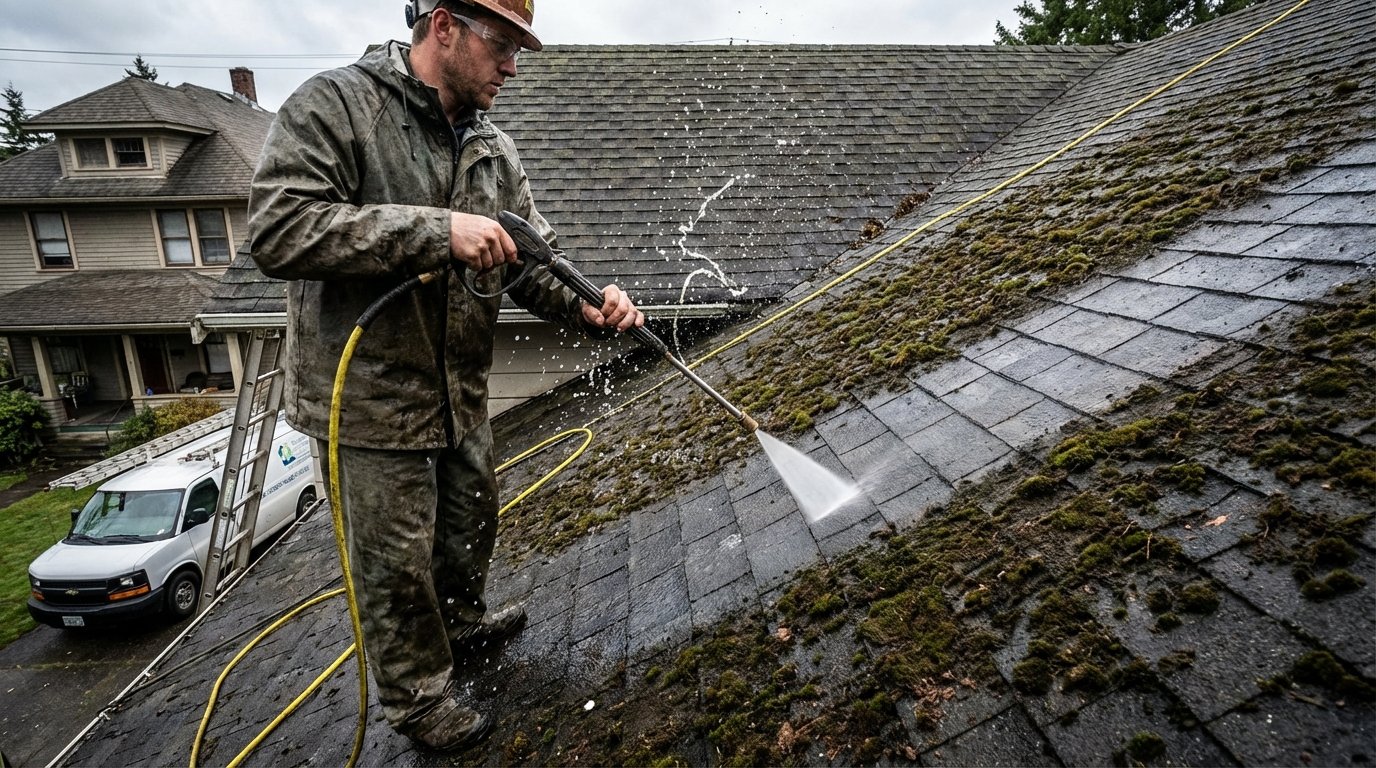
Step 1: Clean Thoroughly
- Remove all debris, leaves, and vegetation
- Power wash at 1500-2500 PSI (not too high or you’ll damage shingles)
- Kill mold and algae with a bleach solution (1 part bleach to 3 parts water)
- Let the roof dry completely for 2-3 days
Step 2: Repair Damage
- Replace missing or damaged shingles/panels
- Seal any leaks or cracks
- Tighten loose fasteners
- Never paint over damage, fix it first
Step 3: Treat Problem Areas
- Wire-brush rust spots on metal roofs
- Apply rust converter to affected areas
- Sand any glossy surfaces to improve adhesion
- Remove peeling paint completely
Step 4: Prime Properly
- Use the correct primer for your material (rust-inhibiting metal, bonding primer for galvanized, etc.)
- Apply primer in dry weather with temperatures between 50-85°F
- Allow full curing time (usually 24 hours) before topcoat
Common prep mistakes that guarantee failure:
- Painting over rust, mold, or peeling paint
- Not allowing enough drying time after cleaning
- Skipping primer to save money
- Painting in temperatures outside the 50-85°F range
- Working in high humidity or before rain
Paint a Roof Cost Guide: What You’ll Actually Spend
Let’s talk real numbers. The cost of painting roofs varies dramatically based on material, size, and whether you DIY or hire pros. Before budgeting for paint, it’s smart to understand how much roofing materials cost so you can make a true apples-to-apples comparison between painting and replacement.
Professional Painting Costs (2024-2025)
Metal roofs: $1.50-$3.00 per square foot
- 2,000 sq ft roof: $3,000-$6,000 total
- Includes cleaning, priming, two coats
Asphalt shingles: $1.00-$2.50 per square foot
- 2,000 sq ft roof: $2,000-$5,000 total
- Higher end includes extensive cleaning and repairs
TPO roof coatings: $2.00-$4.00 per square foot
- Commercial building (5,000 sq ft): $10,000-$20,000
- Specialized application required
Polycarbonate panels: $1.50-$2.50 per square foot
- Small patio (300 sq ft): $450-$750
- Often not recommended, replacement cheaper
Galvanized metal: $2.00-$3.50 per square foot
- 2,000 sq ft roof: $4,000-$7,000 total
- Premium primer required adds cost
DIY Painting Costs
If you’re handy and have time, DIY can save 40-60% on labor but requires equipment investment:
Materials for 2,000 sq ft metal roof:
- Paint (40-50 gallons @ $35-45/gal): $1,400-$2,250
- Primer (20-25 gallons @ $25-35/gal): $500-$875
- Supplies (brushes, rollers, tape): $100-200
- Total materials: $2,000-$3,325
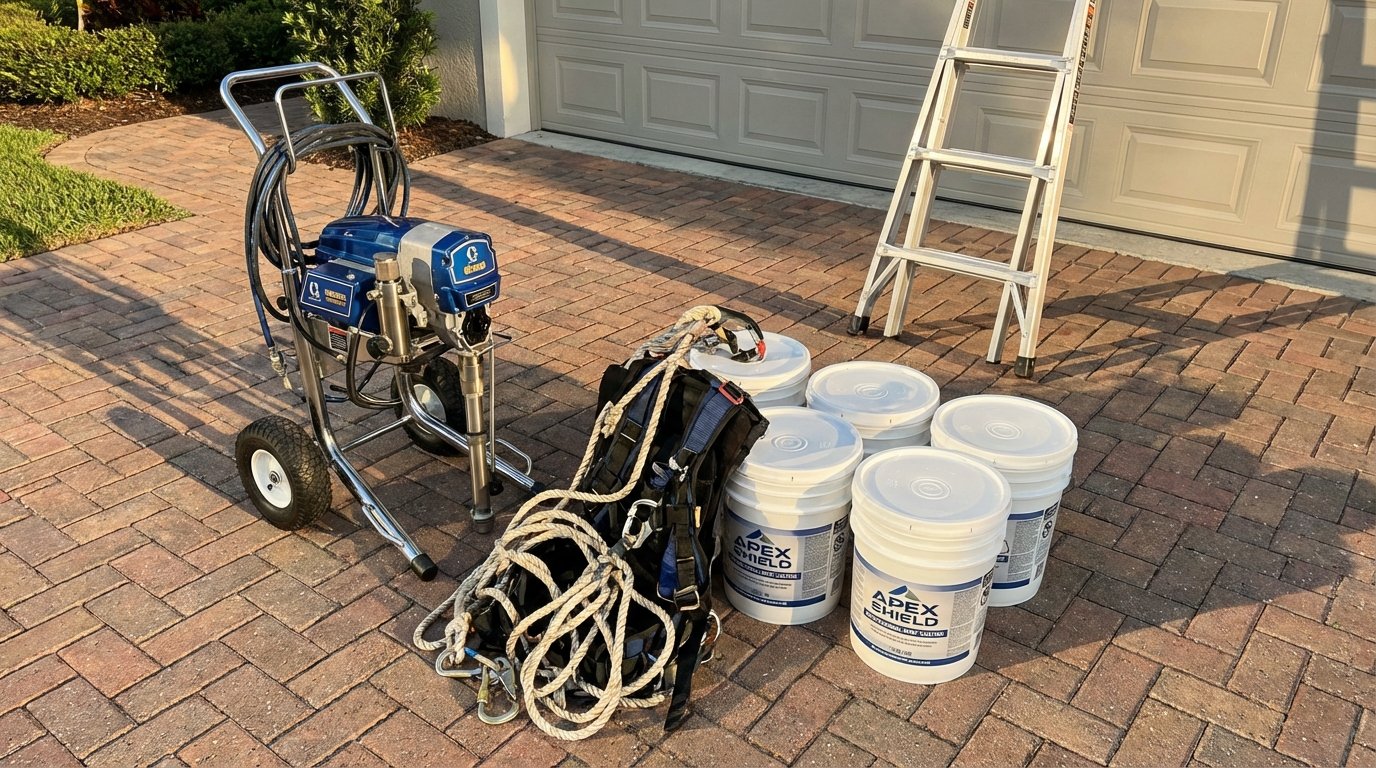
Equipment rental/purchase:
- Airless paint sprayer: $300-$800 (or rent for $75/day)
- Power washer: $200-$400 (or rent for $50/day)
- Safety harness and anchors: $150-$300
- Ladder/scaffolding: $200+ (or rent)
- Total equipment: $850-$1,700
Grand total DIY: $2,850-$5,025 (vs $3,000-$6,000 professional)
The savings are real, but so is the time investment (3-5 days) and safety risk. Fall injuries from roof work send thousands of homeowners to emergency rooms annually. Before starting any DIY roofing project, make sure you understand what to expect financially if you hire a roofer instead, so you can make the most informed decision.
Can You Paint Roof Surfaces in Any Weather?
Timing is everything when painting a roof. Paint the wrong day, and you’ll watch your investment peel off before your eyes.
Ideal conditions for roof painting:
- Temperature: 50-85°F (both air and surface temperature)
- Humidity: Below 85%
- Wind: Calm to light (prevents overspray waste)
- Weather forecast: No rain for 48-72 hours after application
Worst conditions (avoid at all costs):
- Below 50°F: Paint won’t cure properly, leading to poor adhesion
- Above 90°F: Paint dries too quickly, causing bubbling and poor flow
- High humidity (>85%): Extended drying time, potential moisture trapped under paint
- Before rain: Even “quick-dry” paints need 24-48 hours before moisture exposure
- Direct midday sun on dark roofs: Surface temperatures exceed safe limits
Best seasons by region:
- Hot climates (Southwest, South): Late fall, winter, early spring
- Cold climates (North, Mountains): Late spring, summer, early fall
- Moderate climates (Coastal): Spring and fall
- Humid climates (Southeast): Fall when humidity drops
Plan your project during your region’s shoulder seasons for optimal results. If you live in a region with heavy winters, it’s also worth reading about how much snow your roof can safely hold, as paint and coatings can affect surface texture and snow-shedding behavior.
Paint Roof Durability: How Long Will It Actually Last?
Let’s set realistic expectations. No roof paint lasts forever, and marketing claims of “20-year coatings” come with asterisks the size of Texas.
Realistic lifespan by material:
Metal roofs with quality elastomeric coating: 10-15 years
- Premium acrylic latex: 12-15 years
- Standard acrylic latex: 8-10 years
- Factors: Sun exposure, climate, maintenance
Asphalt shingles: 5-7 years
- Why shorter: UV breaks down paint faster than granules
- Shingle movement causes microcracking
- Moisture cycling accelerates deterioration
TPO roof coatings: 8-12 years
- Depends heavily on proper application
- Manufacturer-approved coatings last longer
- Professional installation critical
Polycarbonate panels: 3-5 years
- Thermal expansion weakens bond
- UV exposure causes fading and chalking
- Usually not worth repainting
Galvanized metal (with proper primer): 8-12 years
- Without proper primer: 2-3 years before peeling
- Quality of primer makes the biggest difference
Factors that extend paint life:
- Proper roof maintenance, such as regular cleaning and touch-ups, can make roof paint last longer.
- Prompt touch-up of damaged areas
- Using reflective coatings in sunny climates
- Proper ventilation (prevents moisture damage)
- High-quality paints (premium costs 30% more, lasts 50% longer)
When Painting Isn’t the Answer
Here’s the tough love: Sometimes painting your roof is throwing good money after bad. Professional roofers recommend replacement instead of painting when:
The roof is too old:
- Asphalt shingles over 20 years old
- Metal roofs over 40 years old
- Any roof past 75% of expected lifespan
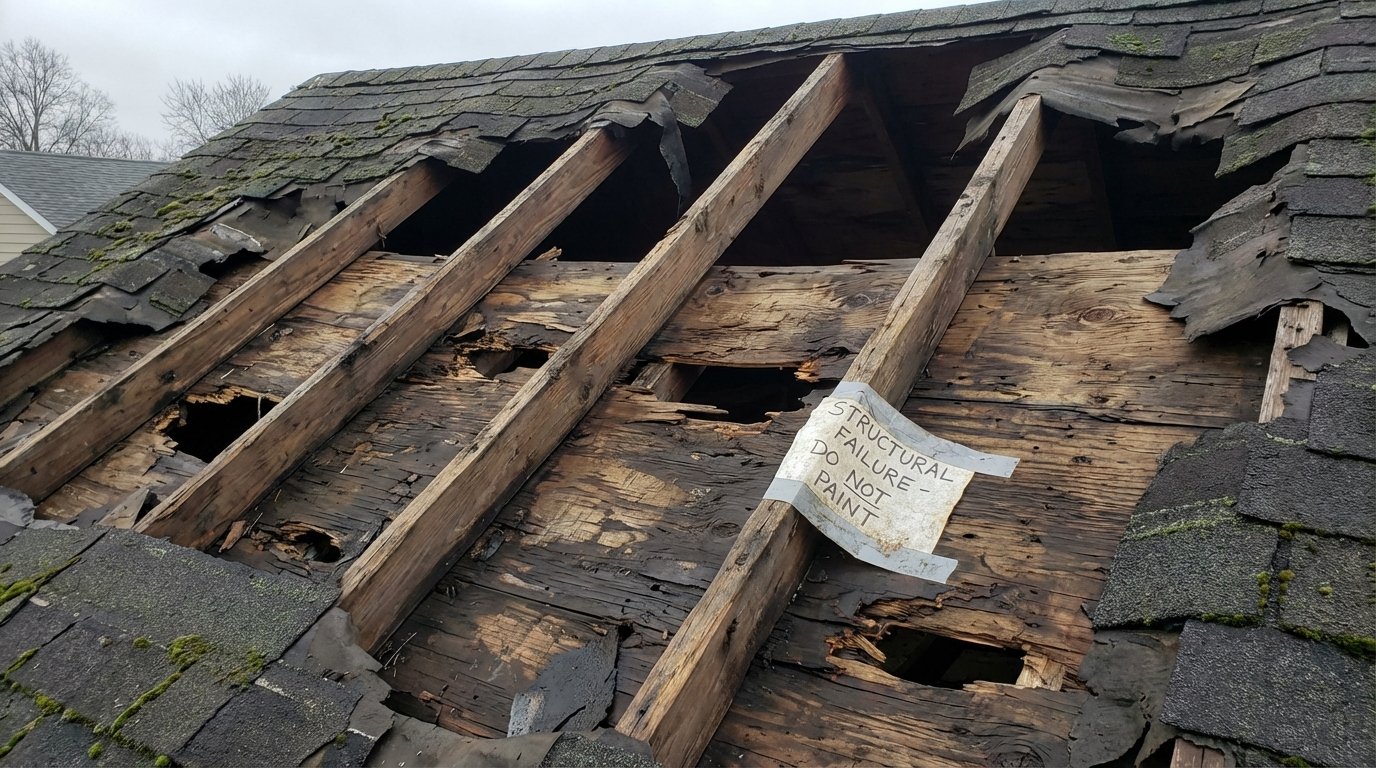
There’s structural damage:
- Sagging or uneven roof deck
- Rotted decking or rafters
- Multiple active leaks
- Missing or severely damaged sections
The math doesn’t work:
- Cost of repairs + painting exceeds 60% of replacement cost. You should compare this against how much a pack of shingles costs for a full replacement.
- You’ll need replacement within 5 years anyway
- Energy efficiency would improve dramatically with new roof
You’re trying to fix fundamental problems:
- Painting won’t stop leaks
- It won’t repair structural issues
- It won’t replace missing shingles
- It won’t fix improper installation
A quality roof installation costs more upfront but delivers 25-50 years of protection. Painting a failing roof might buy you 3-5 years at best, and that’s if nothing goes wrong. If you’re considering a premium upgrade, options like architectural shingle roofing or even cedar roofing offer long-term durability that no paint job can match.
Conclusion: Making the Smart Choice About Painting Roofs
Can you paint a roof? Absolutely. Metal roofs especially are excellent candidates for painting that can extend their life and dramatically improve energy efficiency. The right paint job on the right material at the right time delivers real value, both in curb appeal and utility bill savings.
But painting a roof isn’t a magic bullet. It requires honest assessment of your roof’s condition, realistic expectations about durability, significant prep work, and either professional help or serious DIY commitment.
Before you commit to painting your roof, ask yourself:
- Is my roof material suitable for painting? (Metal is best, shingles are questionable)
- Is the surface in good enough condition to paint? (No major damage or rot)
- Can I realistically expect 7-10+ years from this investment?
- Have I budgeted for proper prep and quality materials?
- Do I have the skills and safety equipment for DIY, or should I hire pros?
If you answered yes to all five, paint your roof and enjoy the transformation. If not, you might be better served by professional roof restoration or replacement.
Your roof is literally the shield protecting everything you own from the elements. Whether you paint it or replace it, make sure you’re making the investment that actually solves the problem, not just covering it up for a few years.
Looking for professional guidance on whether to paint or replace your roof? A qualified roofing contractor can assess your specific situation, provide detailed cost comparisons, and recommend the solution that makes the most financial sense for your timeline and budget. Don’t gamble with your home’s protection, get expert advice before you commit.