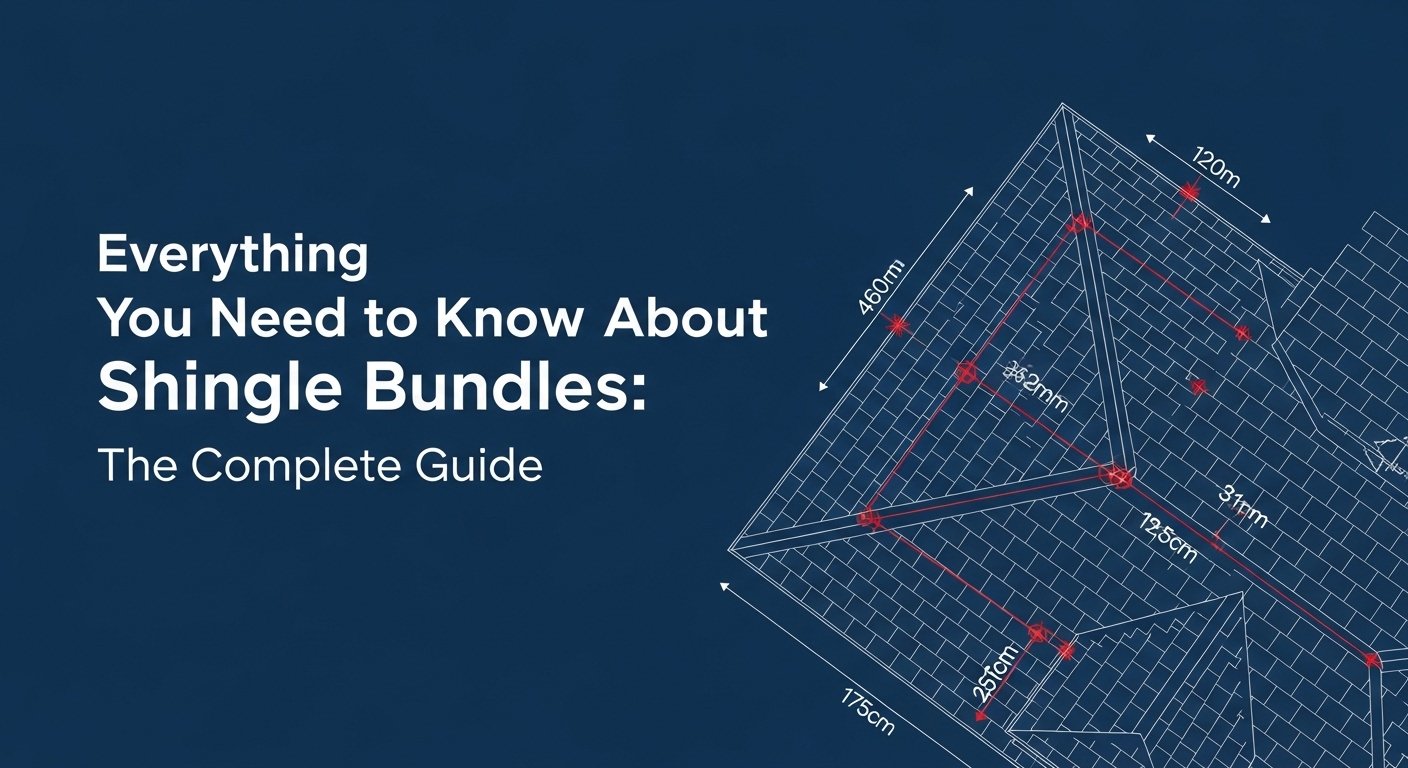
Whether you’re planning a DIY roofing project or working with a professional contractor, understanding shingle bundles is essential for accurate material ordering, proper budgeting, and successful installation. From terminology and calculations to safety requirements and common mistakes, this comprehensive guide covers the critical aspects of shingle bundles that most homeowners overlook, potentially saving you thousands of dollars and preventing costly errors.
Understanding Roofing Terminology: Bundles, Squares, and Industry Standards
What Is a Roofing Bundle?
A roofing bundle is a packaged unit of shingles designed for easy handling and transportation. Manufacturers wrap shingles in bundles weighing between 60 and 90 pounds, depending on the shingle type. This weight range represents the maximum that workers can safely carry while maintaining OSHA compliance and preventing injury.
Each bundle is wrapped in heavy-duty plastic or paper packaging that provides UV protection and moisture barriers during shipping and storage. The wrapping includes essential information such as the product name, color, lot number, weight, coverage area, and manufacturer specifications.
How Many Shingles Are in a Bundle?
The exact number of shingles in a bundle varies by shingle type and manufacturer:
Three-Tab Shingle Bundle Weight: A standard 3-tab bundle contains 26 to 29 individual shingles. Since three bundles equal one square (100 square feet), you’ll have approximately 78-87 three-tab shingles per square. Each 3-tab shingle typically measures 36 inches long by 12 inches wide.
Architectural Shingle Bundle Weight: A bundle of architectural shingles contains fewer individual pieces—usually 15 to 21 shingles per bundle—because architectural shingles are larger and thicker than three-tabs. Despite fewer pieces, architectural bundles still cover the same area as three-tab bundles.
How Many Shingle Bundles to a Square?
Regardless of shingle type, you need three bundles to cover one square (100 square feet). This standardization applies to:
– Three-tab shingles: 3 bundles per square
– Architectural shingles: 3 bundles per square
– Most luxury shingles: 3 bundles per square (some exceptions exist)
Square Feet Per Bundle of Shingles:
Each individual bundle covers approximately 33.3 square feet (100 sq ft ÷ 3 bundles = 33.3 sq ft per bundle). This means:
– 1 bundle of shingles = approximately 33 square feet
– 1 pack of shingles covers roughly one-third of a roofing square
– For every 100 square feet of roof, you need exactly 3 bundles
Understanding these numbers helps you quickly calculate needs for small repairs. If you need to patch a 50-square-foot damaged section, you’ll need 2 bundles (66 sq ft coverage) with material left over.
How Many Square Feet Does 1 Square of Shingles Cover:
One square of shingles covers exactly 100 square feet. This is the fundamental roofing measurement. When you hear “square,” always think “100 square feet.” A 1,500-square-foot roof requires 15 squares, which equals 45 bundles (15 squares × 3 bundles per square).
What Is a Roofing Square?
A roofing square is the industry standard measurement representing 100 square feet of roof area. This standardization simplifies calculations and communication between homeowners, contractors, and suppliers. When a contractor says your roof is 15 squares, they mean it has 1,500 square feet of surface area that needs coverage.
The square system has been used in the roofing industry for over a century because it creates consistency across all manufacturers and makes material estimation straightforward. Rather than dealing with varying package sizes, everyone works with the same basic unit of measurement.
Bundle Coverage for Small Projects: Sheds and Compact Structures
10×12 Shed Roofing Calculation: A 10×12 shed has 120 square feet of floor space, but the actual roof coverage depends on pitch and overhang. For a basic gable roof with standard 6-inch overhangs:
- Multiply the shed footprint by 1.15-1.25 to account for pitch and overhang
- 120 sq ft × 1.2 = 144 square feet of actual roof coverage
- Add 10% waste = 158 square feet total
- You’ll need approximately 1.6 squares, which means 5 bundles of shingles for a 10×12 shed
160 Square Feet Project: For exactly 160 square feet of roof area:
- 160 sq ft = 1.6 squares
- 1.6 squares × 3 bundles = 4.8 bundles
- Round up to 5 bundles of shingles for 160 square feet
- This provides minimal waste, so order 6 bundles if the roof has valleys or complex features
1600 Square Feet Project: For 1600 square feet of roof coverage:
- 1600 sq ft = 16 squares
- 16 squares × 3 bundles = 48 bundles minimum
- Add 10% waste = 52.8 bundles
- Order 53 bundles for 1600 square feet with standard waste factor
- For complex roofs, increase to 55-58 bundles
These calculations assume three-tab or standard architectural shingles. Luxury or specialty shingles may have different coverage rates.
Why Three Bundles Equal One Square
The three-bundle-per-square standard exists for both practical and safety reasons. Three bundles weighing approximately 70-80 pounds each total around 210-240 pounds per square, a manageable amount for two workers to carry to the roof in multiple trips. If bundles were larger, they would exceed safe lifting limits. If they were smaller, you would need too many bundles, increasing handling time and labor costs. This standardization means that whether you buy three-tab, architectural, or luxury shingles, you will always need approximately three bundles to cover one square of roof area.
Color Lot Matching: Critical for Professional Results
What Is a Color Lot Number?
Every bundle of shingles has a color lot number printed on its packaging. This number identifies the specific production run when those shingles were manufactured. Even though all bundles are labeled with the same color name, such as Weathered Wood or Charcoal Gray, slight variations occur between different manufacturing runs due to variations in raw materials, temperature, humidity, and equipment calibration.
These variations are often imperceptible when viewing a single shingle but become glaringly obvious when bundles from different lots are installed on the same roof. You might notice distinct color bands or patches where one section appears slightly lighter, darker, or has a different undertone than adjacent areas.
How to Ensure All Bundles Match
Before ordering shingles, calculate your exact needs and add 10-15% for waste. Then order all bundles at once from the same supplier and verify that every bundle has the identical lot number before accepting delivery. Do not sign the delivery receipt until you have checked this critical detail.
If you need to reorder additional bundles mid-project, request the same lot number from your supplier. Many suppliers can check their inventory systems to locate matching lots. If matching lots are unavailable, consider using mismatched bundles on less visible roof sections like rear slopes or areas blocked by trees.
For large projects, some contractors photograph the lot numbers on bundles before installation begins. This documentation proves invaluable if you need to order future replacement shingles or if warranty issues arise requiring manufacturer verification.
Receiving and Inspecting Shingle Bundles Upon Delivery
Pre-Delivery Checklist
Before shingles arrive, prepare a clear, level area for temporary storage. Ensure you have someone available to help inspect the delivery, this is not a one-person job. Have your order confirmation ready with the exact bundle count, product names, and colors ordered.
Clear your driveway or designate a staging area near the house but away from landscaping, sprinkler heads, and underground utilities. Delivery trucks need space to maneuver, and bundles are heavy, they will damage grass, crush plants, and crack pavers if placed carelessly.
Inspecting Bundles Before Signing for Delivery
Never sign the delivery receipt without thorough inspection. Once you sign, you accept responsibility for any damage or discrepancies. Delivery drivers are often rushed and may pressure you to sign quickly, but resist this pressure, your money is on the line.
Count every bundle and verify the count matches your order confirmation. Check each bundle for visible damage including torn packaging, crushed corners, water damage, or shingles protruding from the wrapping. Examine several bundles from different pallets if multiple pallets were delivered.
Most importantly, verify that all bundles have the same color lot number. If you find mismatched lots, refuse those bundles immediately and note the discrepancy on the delivery receipt before signing. Take photos of any damage or mismatched lots for your records.
Starter Strips and Specialty Bundle Requirements
What Are Starter Strips and Why They’re Essential
Starter strips are specialized shingles installed along roof eaves and rakes before the first course of regular shingles. They provide a critical seal that prevents wind-driven rain from penetrating under the first row of shingles and protect the roof edge from wind uplift.
Many homeowners and even some contractors make the costly mistake of not including starter strips in their material calculations. This oversight becomes apparent when installation begins, causing project delays while waiting for additional materials. Starter strips are not optional, they are required by building codes in most jurisdictions and are essential for maintaining manufacturer warranties.
Hip and Ridge Bundle Calculations
Hip and ridge shingles are separate specialty products designed specifically for the peaked areas of your roof. They cannot be adequately replaced by cutting regular shingles. These pre-formed shingles bend easily over the ridge without cracking and provide proper coverage and weather protection.
To calculate hip and ridge requirements, measure the total linear feet of all hips and ridges on your roof. A standard bundle of hip and ridge shingles covers approximately 20-30 linear feet, depending on the manufacturer and exposure rate. For a house with 60 linear feet of ridge and hips, you would need 2-3 bundles of hip and ridge shingles in addition to your regular field shingles.
Like field shingles, hip and ridge shingles should match the color lot of your main roof shingles. Order these specialty bundles at the same time as your field shingles to ensure color consistency.
Common Mistakes When Ordering Shingle Bundles
Underestimating Waste Factor
The single most common mistake homeowners make is calculating exact roof square footage and ordering precisely that amount of shingles. Real-world roofing always involves waste from cutting, trimming, and dealing with complex roof features.
For simple gable roofs with minimal valleys or dormers, add 5-10% waste factor. For complex roofs with multiple valleys, dormers, skylights, or steep pitches over 7:12, use 10-15% waste factor. Hip roofs require 10-15% waste due to the extensive cutting required at hip lines. Failing to account for waste means running short mid-project, potentially unable to match color lots, and facing delivery fees for small reorders.
Not Matching Color Lots
As detailed earlier, color lot matching is absolutely critical. Contractors report that mismatched color lots are among the top three customer complaints and often require partial or complete roof removal and reinstallation to correct. Always verify lot numbers match before installation begins.
Forgetting Starter Strips and Hip/Ridge Bundles
These specialty bundles are frequently forgotten in material estimates because they are separate line items. When contractors arrive ready to install and discover starter strips or hip and ridge shingles were not ordered, the project halts. Always include these items in your initial order.
Safety Requirements for Handling Shingle Bundles
OSHA Weight Lifting Guidelines
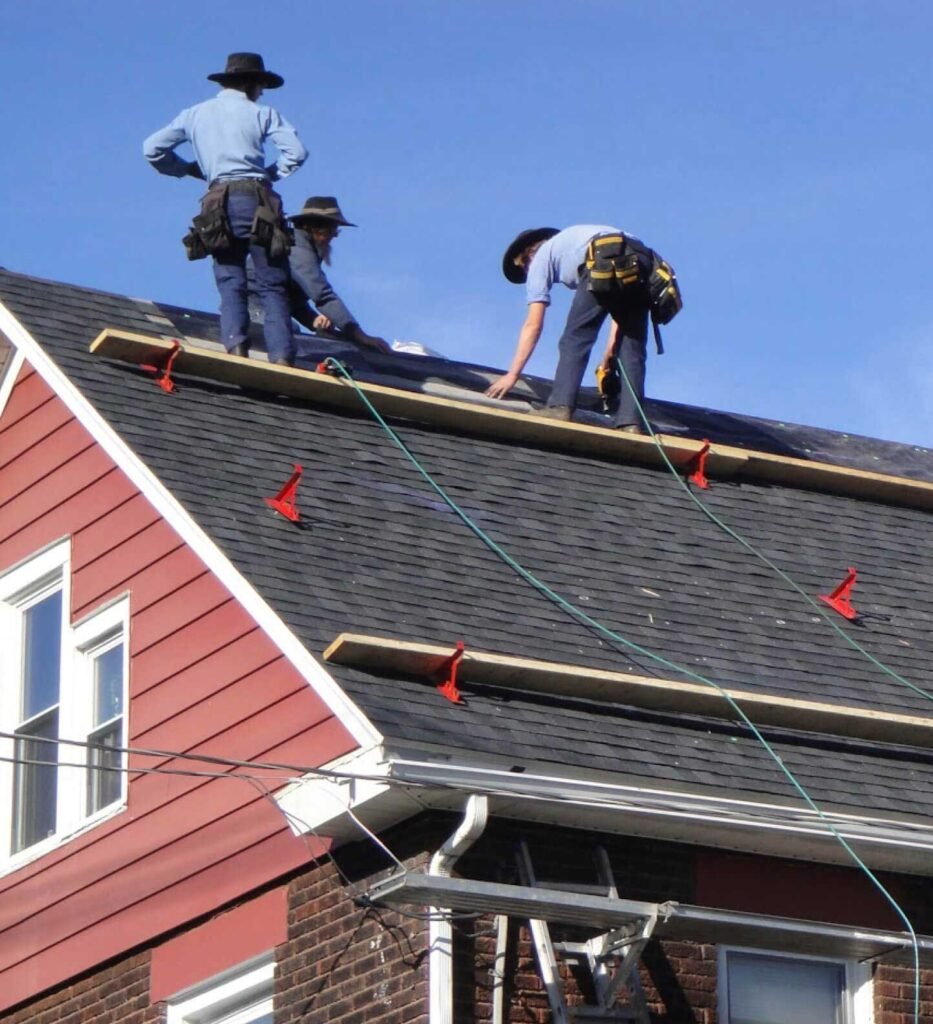
The Occupational Safety and Health Administration recommends that workers should not regularly lift more than 50 pounds without assistance. Since architectural shingle bundles often weigh 70-80 pounds and luxury bundles can exceed 90 pounds, two-person carries are essential for most shingle types.
Attempting to carry heavy bundles alone increases the risk of back injuries, muscle strains, falls, and dropped bundles that can damage shingles or cause injury. Professional roofing crews always use two-person carries or mechanical assistance like shingle hoists to move bundles safely.
Using Shingle Hoists and Conveyors
For projects involving more than 15-20 bundles or multi-story buildings, renting a shingle hoist or conveyor belt is worth the cost. These machines can lift bundles directly from ground level to the roof in seconds, eliminating the dangerous and exhausting work of carrying bundles up ladders. Rental costs typically range from 75-150 dollars per day, a small investment compared to medical bills from lifting injuries or the time saved on large projects.
Nail Requirements Per Square of Shingles
How Many Nails Per Shingle Square: A critical calculation often overlooked is nail quantity. For proper installation:
Standard Requirements:
- Four nails per shingle is the minimum code requirement in most areas
- Six nails per shingle is required in high-wind zones (winds over 90 mph)
- For one square (100 sq ft) of three-tab shingles with 26 shingles per bundle and three bundles per square:
- Standard installation: 78-87 shingles × 4 nails = 312-348 nails per square
- High-wind installation: 78-87 shingles × 6 nails = 468-522 nails per square
Architectural Shingle Nails Per Square: Architectural shingles require similar nail counts:
- Standard installation: 15-21 shingles per bundle × 3 bundles × 4 nails = 180-252 nails per square minimum
- Most contractors use 320-360 nails per square for architectural shingles to ensure proper attachment through the thicker laminated layers
Nail Type and Size: Use 1¼-inch roofing nails for standard shingles on new decking. For re-roofing over existing shingles, use 1¾-inch nails to penetrate through both layers. Always use galvanized or stainless steel nails to prevent rust staining.
Bulk Nail Purchasing:
- A 5-pound box contains approximately 1,400 roofing nails (1¼-inch)
- For a 15-square roof with standard installation: 15 squares × 320 nails = 4,800 nails needed
- Purchase four 5-pound boxes to cover waste and dropped nails
Return Policies and Handling Defective Bundles
Big Box Store Return Policies
Home Depot and Lowe’s typically allow returns of unopened shingle bundles within 90 days with receipt. Some stores may charge 15-25% restocking fees, particularly during peak roofing season. Opened bundles are generally not returnable unless defective. Always ask about the specific return policy before purchasing and save all receipts.
Manufacturer Defect Claims Process
If you discover manufacturing defects such as missing granules, seal strip problems, or dimensional issues, document everything with photographs before opening additional bundles. Contact the retailer immediately and save several sample shingles showing the defect. Most manufacturers will replace defective materials, but you must follow their claim procedures precisely. Keep the bundle wrappers showing lot numbers and date codes, these are essential for processing warranty claims.
Pallet Quantities: How Many Bundles Come on a Pallet
Standard Pallet Configurations: Shingles are delivered on wooden pallets, and understanding pallet quantities helps with large orders and delivery logistics:
Bundles of Shingles on a Pallet:
- Three-tab shingles: 42 bundles per pallet (14 squares of coverage)
- Architectural shingles: 33 bundles per pallet (11 squares of coverage)
- Luxury/designer shingles: 24-28 bundles per pallet (8-9.3 squares of coverage)
The variation in bundles per pallet reflects weight differences. Three-tab bundles weigh 60-70 pounds, allowing more bundles per pallet while staying within safe forklift and transport weight limits. Architectural bundles weigh 65-80 pounds, and luxury bundles can exceed 90 pounds, requiring fewer bundles per pallet.
How Many Bundles of Roofing Shingles Are on a Pallet: When ordering full pallets, you’ll automatically receive the standard configuration for that shingle type. Many suppliers offer discounts for full pallet purchases—often 5-10% off per-bundle pricing. For a 40-square roof using architectural shingles (120 bundles needed), ordering four full pallets (132 bundles) may cost less than ordering 120 individual bundles.
Partial Pallet Orders: Most suppliers will break pallets to sell individual bundles, but you may face minimum order requirements (such as 5-10 bundle minimum) or small order fees. Always ask about pallet pricing when your project requires more than one pallet worth of material.
Smart Purchasing Strategies and Timing
Seasonal Pricing: When to Buy for Best Deals
Shingle prices fluctuate seasonally based on demand. Spring and early summer represent peak roofing season in most regions, with highest demand and prices. Late fall and winter typically offer the best prices as demand drops and suppliers want to move inventory before year-end.
If your roof can wait and you have adequate dry storage, consider purchasing bundles during off-season sales. Some homeowners save 15-30% by buying in November or December for spring installation. However, only do this if you can store bundles properly, moisture damage or UV exposure will negate any savings.
Bulk Discounts and Contractor Pricing
Many suppliers offer discounts for large orders, typically starting at 20-30 squares (60-90 bundles). If you are doing multiple buildings or coordinating with neighbors for simultaneous roofing projects, ask about volume pricing. Specialty roofing suppliers often provide better bulk discounts than big box stores and may match or beat competitor pricing if asked.
Building Codes and Permit Requirements
Wind Rating Requirements by Region
Local building codes mandate specific wind resistance ratings for roofing materials based on regional weather patterns. Coastal areas prone to hurricanes typically require shingles rated for 110-130 mph winds, while inland areas may only require 60-90 mph ratings.
Check your local building code requirements before ordering shingles. Installing shingles with insufficient wind ratings can result in failed inspections, insurance claim denials, and roof failure during storms. The bundle wrapper clearly shows the wind rating, verify it meets or exceeds your local code requirements.
Impact Resistance Ratings for Hail-Prone Areas
Impact-resistant shingles are classified from Class 1 (lowest) to Class 4 (highest) based on their ability to withstand hail damage. Many insurance companies offer premium discounts of 10-30% for Class 4 impact-resistant shingles in hail-prone regions. While these shingles cost more upfront, the insurance savings and improved durability often justify the investment within a few years.
Conclusion: Getting Your Bundle Order Right the First Time
Understanding shingle bundles goes far beyond simply counting packages. From mastering industry terminology and ensuring color lot consistency to following safety protocols and avoiding common mistakes, each aspect plays a crucial role in project success.
The most critical takeaways are to always verify color lot numbers before accepting delivery, include proper waste factors in your calculations, remember starter strips and hip/ridge bundles in your order, inspect bundles thoroughly upon delivery, and follow OSHA safety guidelines for handling heavy materials.
By taking the time to understand these fundamentals, you will avoid costly mistakes, ensure professional-looking results, and complete your roofing project efficiently and safely. Whether you are a homeowner planning a DIY project or working with a contractor, this knowledge empowers you to make informed decisions and verify that your roofing project proceeds correctly from material ordering through final installation.