Cedar shingles have graced American homes for centuries, offering a timeless aesthetic that blends natural beauty with functional roofing protection. But if you’re considering cedar for your home, or already have it installed, you’ve probably asked yourself a critical question: are cedar shingles heat resistant? With summer temperatures climbing and energy costs rising, understanding how your roof responds to heat isn’t just about comfort; it’s about protecting your investment and your home’s structural integrity.
The relationship between cedar roofing and heat is more complex than a simple yes or no answer. While cedar offers impressive natural insulation properties that help regulate indoor temperatures, it also faces unique vulnerabilities when exposed to intense, prolonged heat. This comprehensive guide explores the heating effect on cedar roofing, examining both the benefits and challenges cedar presents in various climate conditions, and provides expert insights to help you make informed decisions about this classic roofing material.
Understanding Cedar Shingles and Their Thermal Properties
Cedar shingles and shakes come from several species of cedar trees, with Western Red Cedar and Alaskan Yellow Cedar being the most popular choices for roofing applications. These wood products are valued not only for their distinctive grain patterns and natural color variations but also for their inherent physical properties that make them suitable roofing materials.
The cellular structure of cedar wood contains countless tiny air pockets trapped within the wood fibers. These air spaces act as natural insulators, slowing the transfer of heat through the material. Unlike solid, dense materials that conduct heat readily, cedar’s porous structure creates barriers that heat must navigate, reducing thermal conductivity. This fundamental characteristic is what gives cedar its reputation as an insulating roofing material.
Additionally, cedar contains natural oils and resins that contribute to its durability and weather resistance. These oils help repel moisture and resist decay, but they also play a subtle role in how cedar responds to temperature changes. As cedar ages and these oils gradually diminish, the wood’s thermal behavior can shift slightly, which is one reason proper maintenance becomes increasingly important over time.
Are Cedar Shingles Heat Resistant? The Honest Answer
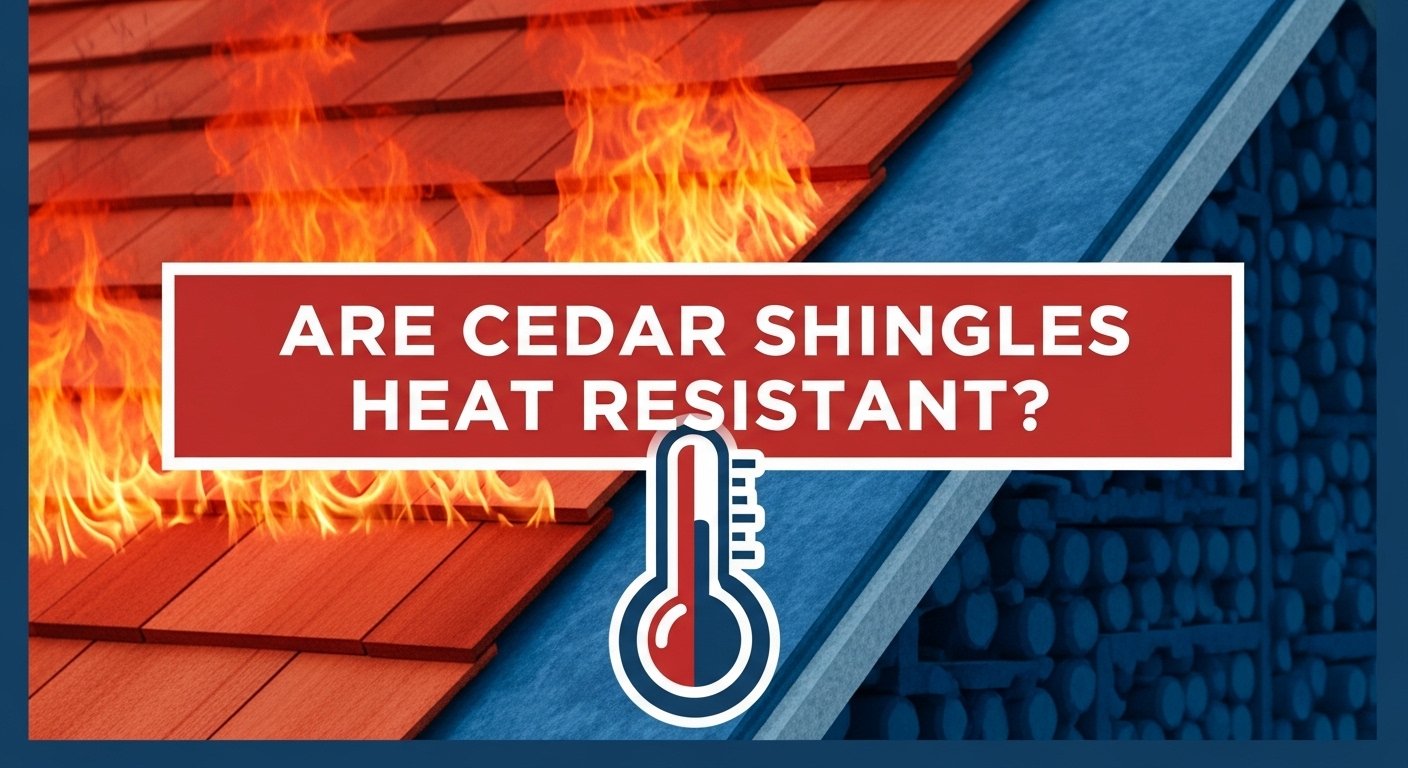
So, are cedar shingles heat resistant? The answer is: moderately, yes, but with important caveats. Cedar shingles demonstrate good heat resistance in the sense that they don’t readily conduct heat into your home. Their insulating properties help maintain stable indoor temperatures, keeping living spaces cooler during summer days and warmer during winter nights. This thermal regulation is one of cedar’s strongest selling points for energy-conscious homeowners.
However, heat resistance and fire resistance are distinctly different properties, and this is where confusion often arises. While cedar can tolerate normal summer temperatures without structural damage, it is a combustible material. Untreated cedar shingles can ignite at approximately 375 degrees Fahrenheit, a temperature easily reached in wildfire conditions or when exposed to direct flame. This fire vulnerability is why many building codes in fire-prone areas require fire-retardant treatment or prohibit untreated cedar altogether.
In typical residential conditions, cedar performs well in temperatures ranging from freezing to about 100 degrees Fahrenheit. Within this range, cedar maintains its structural integrity while providing excellent insulation. But when temperatures consistently exceed 100 degrees, common in desert climates or on dark-colored roofs during peak summer, cedar begins to show stress signs including accelerated drying, increased brittleness, and faster weathering.
Positive Heating Effects on Cedar Roofing
Natural Insulation and Energy Efficiency
The primary benefit of cedar roofing in relation to heat is its exceptional natural insulation capability. Cedar’s R-value, a measurement of thermal resistance, typically ranges from 0.71 to 1.0 per inch of thickness. While this might seem modest compared to modern synthetic insulation materials, it’s significantly better than many other roofing materials like asphalt shingles or metal roofing.
This insulation translates directly into energy savings. During summer months, cedar shingles help block heat from penetrating into attic spaces and living areas below. Homeowners often report noticeably cooler homes compared to neighbors with asphalt shingle roofs, particularly during afternoon peak heating hours. This reduction in heat gain means air conditioning systems run less frequently, leading to lower electricity bills and reduced strain on HVAC equipment.
Temperature Stabilization Throughout the Day
Cedar’s thermal mass, its ability to absorb and slowly release heat, creates a beneficial temperature stabilization effect. During hot days, cedar absorbs some solar heat gradually rather than immediately transferring it indoors. As evening temperatures drop, cedar slowly releases this stored heat, creating a buffering effect that moderates extreme temperature swings. This natural thermal regulation creates more comfortable indoor environments and reduces the sharp temperature fluctuations that force HVAC systems to work harder.
Negative Heating Effects on Cedar Roofing
UV Degradation and Accelerated Weathering
While cedar handles moderate heat well, intense and prolonged exposure to UV radiation causes measurable damage. Ultraviolet rays break down the lignin, the natural polymer that gives wood its structure and strength. This degradation manifests as surface graying, a change many homeowners actually appreciate for its weathered aesthetic. However, beneath this cosmetic change, the wood fibers are weakening, becoming more susceptible to moisture infiltration and physical damage.
In regions with intense sunlight and minimal cloud cover, think Arizona, Nevada, or Southern California, UV damage accelerates significantly. Cedar shingles in these climates may show advanced weathering within five to seven years, compared to fifteen to twenty years in cloudier, more moderate climates like the Pacific Northwest. This accelerated aging doesn’t just affect appearance; it compromises the shingles’ ability to shed water effectively, increasing leak risk.
Thermal Expansion, Contraction, and Structural Stress
Like all materials, cedar expands when heated and contracts when cooled. In climates with significant temperature swings between day and night, common in desert and high-altitude regions, this expansion and contraction cycle repeats daily. Over months and years, this constant movement stresses the wood fibers and fasteners holding shingles in place.
The result is visible damage: cupping (edges curling upward), warping (twisting along the length), and splitting along the grain. These deformations create gaps where wind-driven rain can penetrate, and they compromise the overlapping pattern that makes cedar roofing weathertight. Once warping begins, it typically accelerates as exposed wood fibers absorb more moisture during rain, then dry and shrink excessively during heat, creating a destructive cycle.
Moisture Loss and Brittleness
Prolonged heat exposure draws moisture from cedar wood, including the natural oils that contribute to its flexibility and durability. As cedar dries beyond its optimal moisture content, typically around 12 to 14 percent, it becomes brittle. Brittle shingles crack easily under stress from foot traffic, falling branches, or even strong winds. This brittleness also makes shingles more vulnerable to hail damage, a concern during summer thunderstorms.
Interestingly, this moisture loss creates a feedback loop: as cedar dries and cracks, more surface area becomes exposed to heat and UV radiation, accelerating further drying and deterioration. This is why regular maintenance including protective coatings becomes crucial in hot climates, as discussed later in this guide.
Cedar Shingle Performance Across Different Climate Zones
Hot and Dry Climates: Maximum Stress Conditions
Desert regions and areas with hot, dry summers present the most challenging conditions for cedar roofing. In cities like Phoenix, Las Vegas, or Palm Springs, where summer temperatures regularly exceed 105 degrees Fahrenheit and humidity drops below 20 percent, cedar faces constant assault from heat and UV radiation.
In these environments, cedar shingles typically last 15 to 25 years, significantly shorter than the 30 to 40 years expected in moderate climates. The reduced lifespan results from accelerated UV degradation, excessive drying, and increased brittleness. Homeowners in these regions must commit to aggressive maintenance schedules, including biennial inspections and regular application of UV-protective coatings, to maximize roof longevity.
Moderate Climates: Cedar’s Sweet Spot
Cedar truly shines in moderate climates with balanced seasons, adequate rainfall, and temperatures that rarely exceed 90 degrees for extended periods. The Pacific Northwest, cedar’s native habitat, represents ideal conditions. Here, frequent cloud cover reduces UV exposure, moderate temperatures minimize thermal stress, and natural moisture from fog and rain keeps wood fibers hydrated without causing rot.
In these conditions, properly maintained cedar roofs regularly achieve 35 to 45 years of service life. The natural weathering to a silver-gray patina proceeds gradually without compromising structural integrity. Homeowners in regions like Seattle, Portland, or coastal New England can expect excellent performance from cedar with relatively minimal intervention beyond basic cleaning and periodic inspections.
Fire Resistance: The Critical Distinction
Understanding the difference between heat resistance and fire resistance is crucial for anyone considering cedar roofing. While cedar tolerates normal environmental heat well, it is inherently combustible. Untreated cedar shingles carry a Class C or “unrated” fire classification, the lowest ratings available, meaning they offer minimal protection against fire spread.
Fire-retardant treatments significantly improve cedar’s fire rating, potentially achieving Class A (the highest rating) when combined with proper underlayment. These treatments involve either pressure-impregnating chemicals deep into the wood or applying surface coatings that expand when heated to create a protective char layer. According to the Cedar Shake & Shingle Bureau, fire-retardant treatments can reduce flame spread by up to 90 percent compared to untreated cedar.
However, fire-retardant treatments aren’t permanent. Depending on the treatment type and climate exposure, effectiveness diminishes over 10 to 20 years. Homeowners in fire-prone areas should budget for retreatment or eventual roof replacement when fire ratings can no longer be certified. Many insurance companies in wildfire-prone regions now refuse coverage for untreated cedar or charge significantly higher premiums, making fire-retardant treatment both a safety and financial necessity.
Improving Cedar Shingle Heat Resistance: Practical Solutions
Protective Coatings and UV Sealers
Applying UV-resistant coatings represents one of the most effective methods for protecting cedar from heat-related damage. These products, available as clear sealers or semi-transparent stains, create a protective barrier that blocks harmful UV radiation while allowing the wood to breathe and shed moisture.
Quality cedar coatings contain UV inhibitors that absorb or reflect ultraviolet light before it reaches the wood surface. Some formulations also include water repellents that help maintain optimal moisture content despite heat exposure. Application every three to five years keeps cedar protected, though homeowners in extreme climates may need more frequent reapplication. The investment typically ranges from $1.50 to $3.00 per square foot for professional application, a modest cost compared to premature roof replacement.
Proper Ventilation: The Unsung Hero
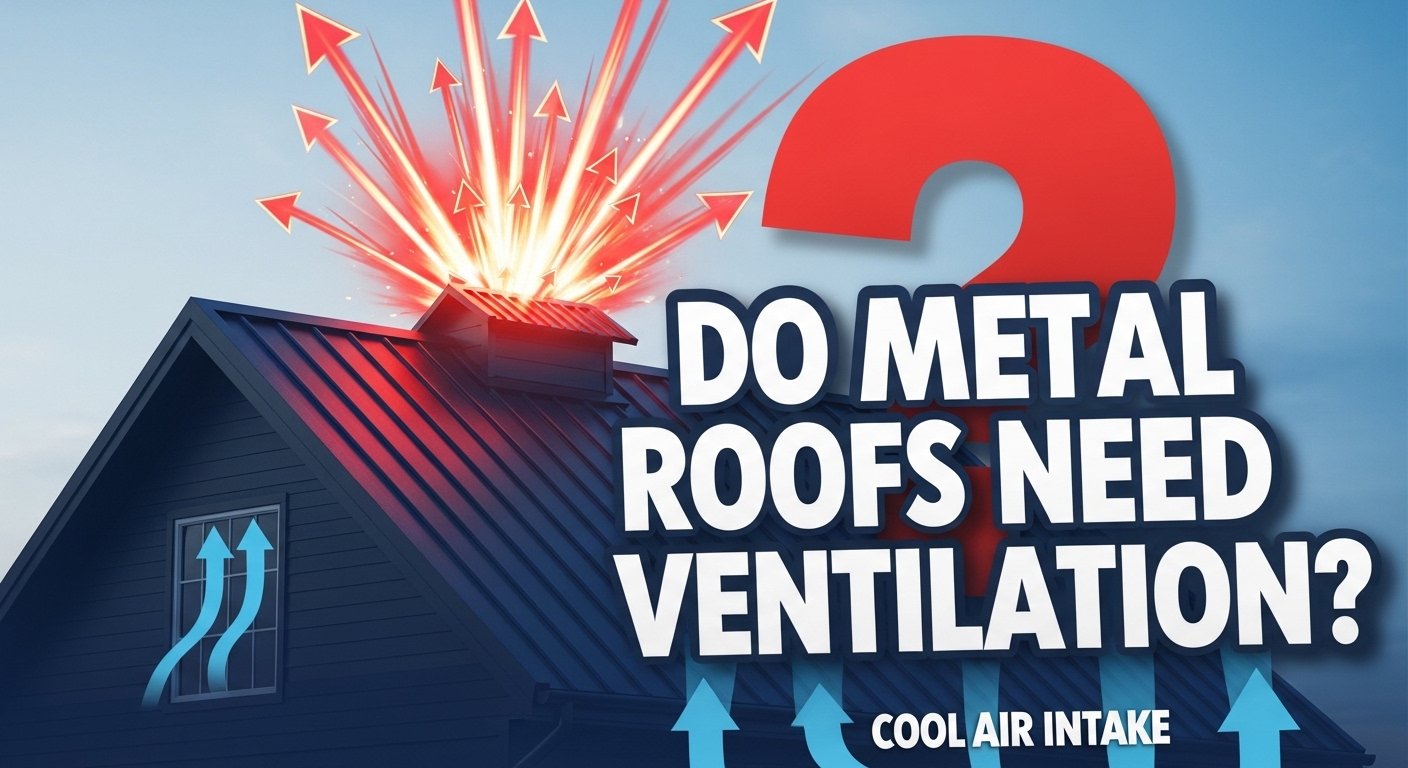
Adequate attic and roof ventilation dramatically affects cedar performance in hot climates. Ridge vents, soffit vents, and gable vents create airflow that removes heat buildup beneath cedar shingles, reducing the temperature differential that causes warping and cracking.
Without proper ventilation, attic temperatures can reach 150 degrees Fahrenheit or higher during summer months. This extreme heat radiates upward through the roof deck, essentially baking cedar shingles from below while the sun heats them from above. This double-sided heat exposure accelerates deterioration substantially. Installing or improving ventilation, often achievable for $500 to $2,000 depending on home size and existing conditions, extends cedar roof life by years while improving overall home comfort and energy efficiency.
For comprehensive roofing services including ventilation improvements and cedar installation, professional contractors like those offering roof installation services can assess your specific needs and recommend appropriate solutions.
Maintenance Requirements in Hot Climates
Cedar roofing in hot climates demands more vigilant maintenance than in moderate regions. Establishing a consistent inspection and maintenance schedule prevents small problems from becoming expensive failures.
Annual inspections should focus on identifying heat-related damage: checking for cupped or warped shingles, examining fastener integrity, looking for excessive cracking or splitting, and assessing the condition of protective coatings. Many homeowners find that scheduling a professional roofing inspection before summer arrives allows time to address issues before peak heat stress occurs.
Cleaning also becomes more important in hot climates. Debris like leaves, pine needles, and dirt trap moisture against cedar surfaces and accelerate deterioration when combined with heat. Gentle cleaning using low-pressure water and soft brushes removes accumulated material without damaging shingles. Avoid pressure washing, which can splinter wood fibers and drive water beneath shingles, creating new problems.
Prompt repairs are essential. A single damaged shingle might seem minor, but in hot climates, that one weakness can quickly spread to adjacent shingles as heat stress concentrates around the damaged area. Replacing individual shingles costs far less than addressing widespread damage, making quick response to minor issues financially prudent. Professional roof repair services can address these issues before they escalate.
Cedar vs. Other Roofing Materials: Heat Performance Comparison
Cedar vs. Metal Roofing
Metal roofing offers superior heat reflection compared to cedar, making it increasingly popular in hot climates. Light-colored metal roofs can reflect up to 70 percent of solar energy, significantly reducing heat transfer into homes. Metal also expands and contracts more predictably than wood, doesn’t degrade from UV exposure, and achieves Class A fire ratings without treatment.
However, metal lacks cedar’s natural insulation properties. While metal reflects heat, it doesn’t prevent rapid temperature changes the way cedar’s thermal mass does. Metal roofs can also be noisier during rain and typically cost more initially than cedar, though their 50-plus year lifespan often makes them more economical long-term in hot climates. For more information about metal roofing options, exploring how metal roofing compares in different aspects can provide valuable insights.
Cedar vs. Asphalt Shingles
Asphalt shingles dominate the residential roofing market primarily due to low cost and ease of installation. Modern architectural shingles can achieve decent energy efficiency through reflective granules, and they’re inherently more fire-resistant than untreated cedar.
Yet asphalt significantly underperforms cedar in insulation. Dark asphalt shingles can reach surface temperatures exceeding 160 degrees Fahrenheit, turning roofs into massive heat radiators. Even cool-roof asphalt products don’t match cedar’s insulating ability. Additionally, asphalt degrades relatively quickly in intense heat and UV exposure, with lifespans in hot climates often limited to 12 to 18 years compared to cedar’s 20 to 30 years even in challenging conditions.
Expected Lifespan: What Climate Means for Cedar Longevity
Climate dramatically influences cedar roofing lifespan. In cool, moderate regions with adequate moisture and limited UV exposure, well-maintained cedar roofs routinely achieve 35 to 45 years of service. Some historic buildings in the Pacific Northwest have cedar roofs approaching 60 years with proper care.
In hot, dry climates, expect 20 to 30 years even with diligent maintenance. Extreme heat environments may see failure as early as 15 to 20 years if maintenance lapses. Hot and humid climates fall somewhere in between, typically achieving 25 to 35 years depending on moisture management and ventilation quality.
Several factors influence where your cedar roof falls within these ranges: installation quality, ventilation adequacy, maintenance consistency, coating application frequency, roof pitch (steeper sheds heat and water better), sun exposure (south and west faces age faster), and nearby vegetation (trees provide beneficial shade but drop debris).
Understanding these lifespan expectations helps homeowners budget appropriately and decide whether cedar represents a sound investment for their specific climate and circumstances.
Cost Analysis: Cedar in Hot Climates
Initial cedar installation costs typically range from $7 to $15 per square foot installed, depending on cedar grade, shingle type (machine-cut shingles versus hand-split shakes), and regional labor rates. Fire-retardant treatment adds $2 to $4 per square foot. For a typical 2,000 square-foot roof, total installation costs range from $14,000 to $38,000.
Ongoing maintenance in hot climates includes biennial inspections ($200 to $400), UV coating reapplication every 3 to 5 years ($3,000 to $6,000 for professional application), and occasional shingle replacement ($150 to $300 per repair visit). Over a 25-year lifespan in a hot climate, maintenance costs can total $8,000 to $15,000.
However, cedar’s insulation properties generate energy savings that partially offset these costs. Homeowners report cooling cost reductions of 10 to 20 percent compared to dark asphalt roofs, translating to $150 to $400 annually depending on home size, insulation quality, and local electricity rates. Over 25 years, these savings accumulate to $3,750 to $10,000, making cedar’s true cost of ownership more competitive than initial prices suggest.
Expert Recommendations: When Cedar Makes Sense
Based on extensive industry experience and research, cedar shingles represent an excellent choice for moderate climates with balanced temperatures, adequate rainfall, and homeowners committed to regular maintenance. The Pacific Northwest, New England coastal areas, and similar regions provide ideal conditions where cedar excels with minimal intervention.
Cedar can work in hot climates for homeowners willing to invest in fire-retardant treatment, UV-protective coatings, excellent ventilation, and consistent maintenance. The aesthetic appeal and natural insulation may justify the extra effort for those who prioritize cedar’s unique appearance.
However, homeowners in extreme heat regions, particularly those in wildfire-prone areas, should seriously consider alternatives. Metal roofing, tile, or high-quality architectural asphalt shingles with reflective technology often provide better long-term value with less maintenance burden in these challenging environments.
Before deciding, consult with experienced local roofing contractors who understand regional climate challenges. They can assess your specific roof geometry, sun exposure, and ventilation situation to provide personalized recommendations. For those in the New York area, EZ Builders NY offers comprehensive roofing services including consultation on material selection appropriate for your climate needs.
Conclusion: Making an Informed Decision About Cedar and Heat
So, are cedar shingles heat resistant? The answer is nuanced: cedar provides excellent natural insulation and moderate heat tolerance under normal conditions, but it faces legitimate challenges in extreme heat and fire scenarios. The heating effect on cedar roofing includes both benefits, energy efficiency, temperature stabilization, and aesthetic appeal, and drawbacks, UV degradation, thermal stress, and fire vulnerability.
Understanding these trade-offs empowers you to make an informed decision aligned with your climate, budget, and maintenance willingness. Cedar remains a premium roofing choice that delivers outstanding performance in appropriate conditions with proper care. However, it’s not a universal solution, and homeowners in challenging climates should carefully weigh cedar’s requirements against alternative materials that might serve them better.
Whether you choose cedar or another material, partnering with experienced professionals ensures proper installation and maintenance that maximizes your roof’s performance and lifespan. Your roof represents a significant investment in your home’s protection and value, making the right choice based on accurate information serves you well for decades to come.
Frequently Asked Questions
Are cedar shingles heat resistant enough for hot climates?
Cedar shingles can work in hot climates but require extra care including UV-protective coatings, fire-retardant treatment, excellent ventilation, and regular maintenance. Their lifespan decreases to 20-30 years in hot regions compared to 35-45 years in moderate climates. Consider alternatives like metal roofing if you want minimal maintenance in extreme heat.
How does heat affect cedar roofing lifespan?
Prolonged heat exposure accelerates UV degradation, causes excessive drying and brittleness, promotes thermal expansion/contraction damage, and speeds up the weathering process. These factors can reduce cedar lifespan by 10-15 years in hot climates compared to moderate regions.
Do cedar shingles need fire-retardant treatment?
Fire-retardant treatment isn’t legally required everywhere but is mandatory in many fire-prone areas. Even where optional, treatment is highly recommended as it can achieve Class A fire ratings, reduce insurance premiums, and provide critical protection. Treatment costs $2-4 per square foot but significantly improves safety.
Can you improve cedar shingle heat resistance?
Yes, through several methods: applying UV-resistant coatings every 3-5 years, ensuring proper roof ventilation with ridge and soffit vents, installing radiant barriers in the attic, using light-colored stains that reflect more heat, and maintaining consistent moisture content through appropriate treatments.
How often should cedar roofs be treated in hot climates?
In hot climates, inspect cedar roofs annually and reapply UV-protective coatings every 3-5 years. Fire-retardant treatments last 10-20 years depending on exposure. More frequent treatment extends lifespan and maintains protection, making the investment worthwhile.
What is the best roofing material for extreme heat?
Metal roofing (especially light-colored) excels in extreme heat due to superior heat reflection, Class A fire ratings, and 50+ year lifespan with minimal maintenance. Clay or concrete tile also performs well. Cedar works but requires significantly more maintenance in extreme heat conditions.
Will cedar shingles warp in summer heat?
Cedar can warp when exposed to repeated thermal expansion/contraction cycles, especially in climates with large day-night temperature swings. Proper installation with adequate fastener spacing, good ventilation, and protective coatings minimizes warping risk, though some cupping is normal as cedar ages.