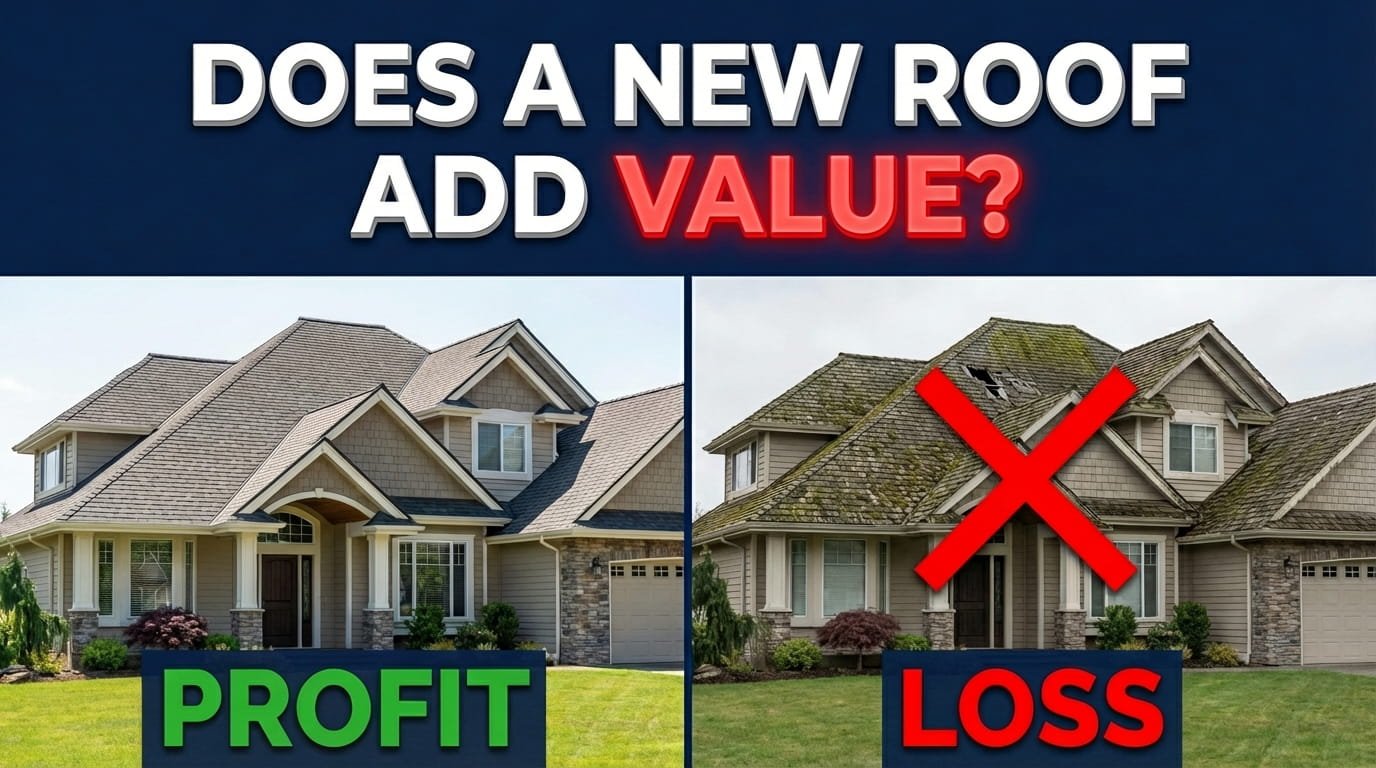
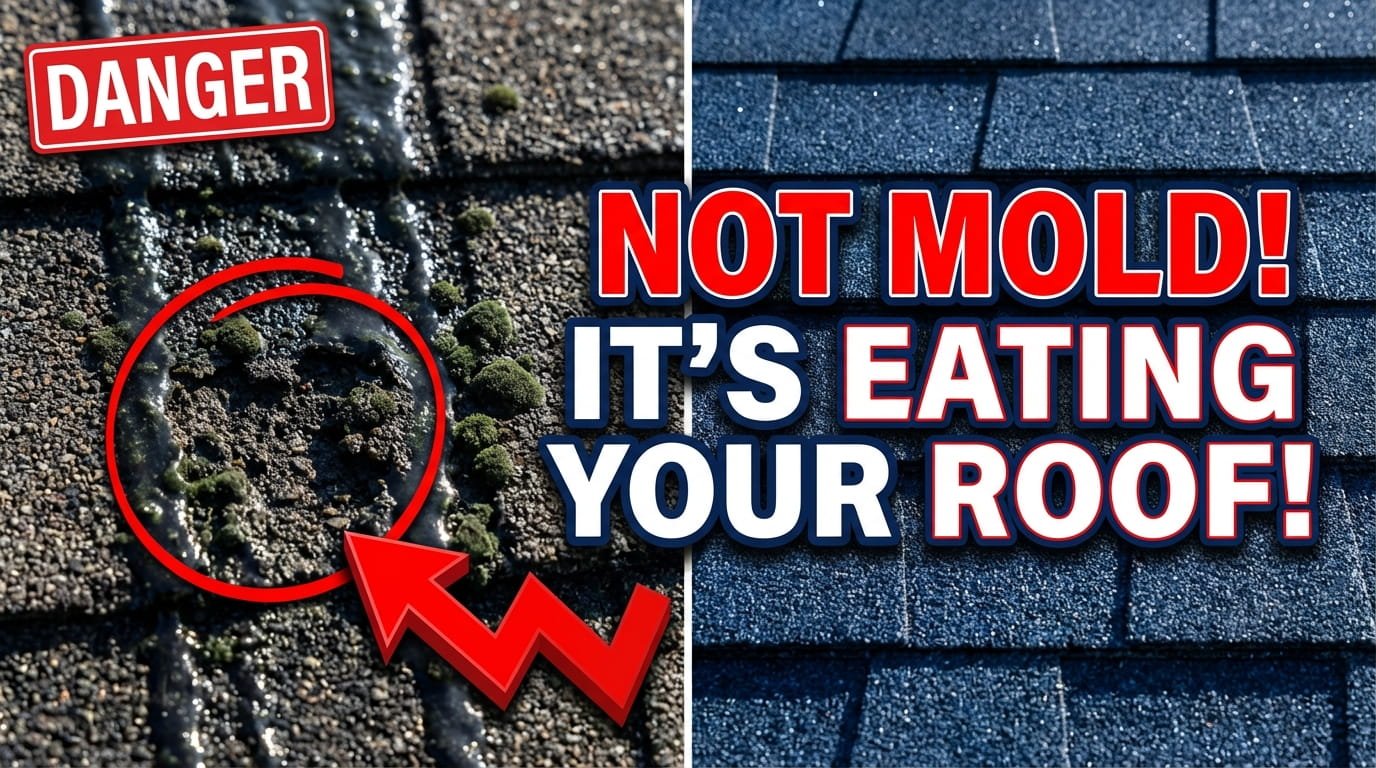
Have you ever pulled into your driveway, looked up at your home, and felt a pang of annoyance at those ugly, dark streaks running down your roof? You are not alone. It is a common sight in many neighborhoods, making even the most beautiful homes look aged and neglected.
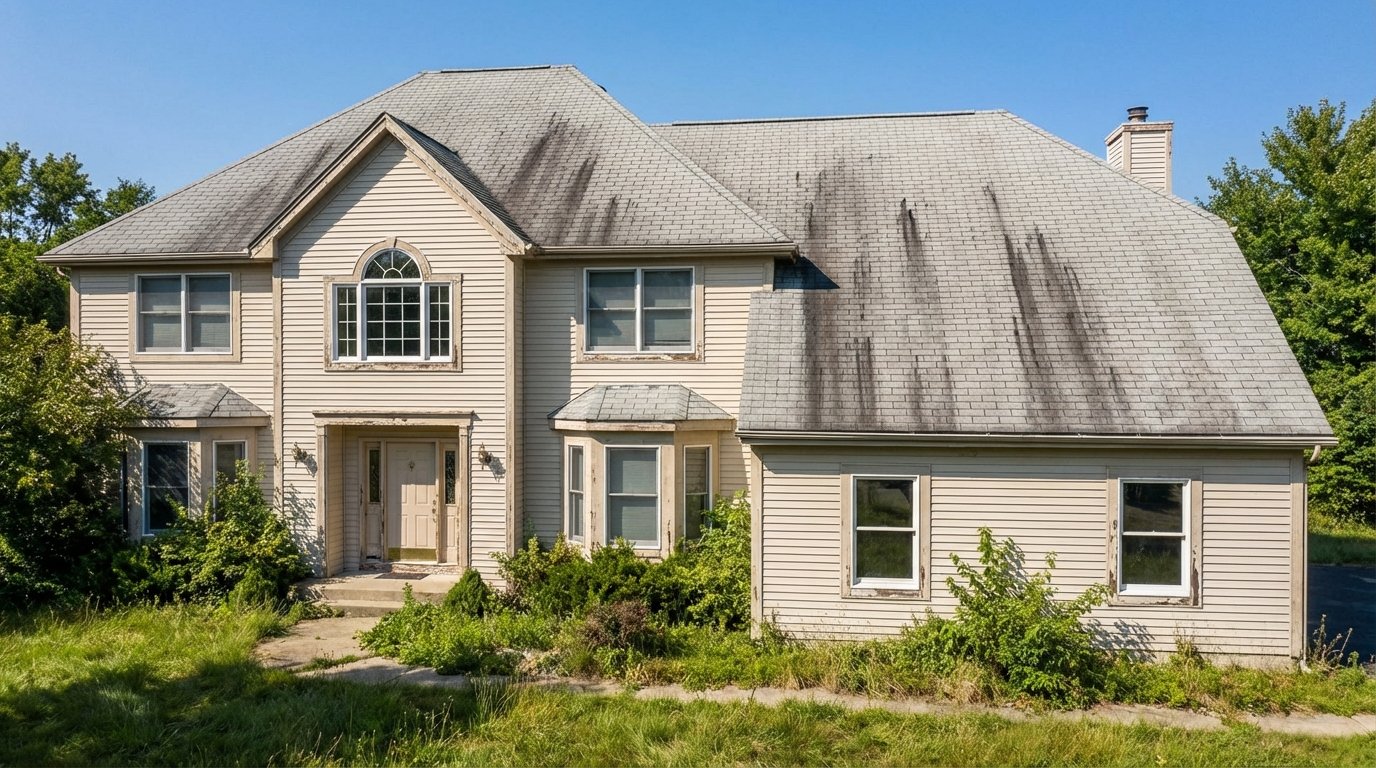
Most homeowners assume these black streaks are just dirt, soot, or maybe even tree sap. They are wrong.
Those streaks are alive. They are growing, feeding, and spreading across your shingles right now. But before you panic, take a deep breath. While unsightly, this problem is manageable if you know what you are dealing with. In this comprehensive guide, we will uncover the science behind these stains, why they are eating your roof, and exactly how to banish them for good without destroying your shingles.
Understanding Black Streaks on Roof Shingles
What Are Those Black Streaks on Your Roof?
The black streaks staining your roof are actually a colony of microscopic bacteria called Gloeocapsa Magma. While often referred to as “roof algae,” this organism is technically a cyanobacteria (blue-green algae). It travels through the air as spores, landing on rooftops where it begins to multiply. This is one reason why regular roof maintenance is so important — catching algae growth early can save you significant repair costs down the road.
The Science Behind Gloeocapsa Magma
You might wonder, “Why is it black if it’s blue-green algae?” Good question. To protect itself from the harsh ultraviolet (UV) rays of the sun, the algae produces a dark, pigmented outer shell. Think of it as a microscopic suntan or a shield. When millions of these bacteria cluster together, those dark shells create the visible black streaks you see running down your roof.
How Limestone Filler in Shingles Feeds Algae
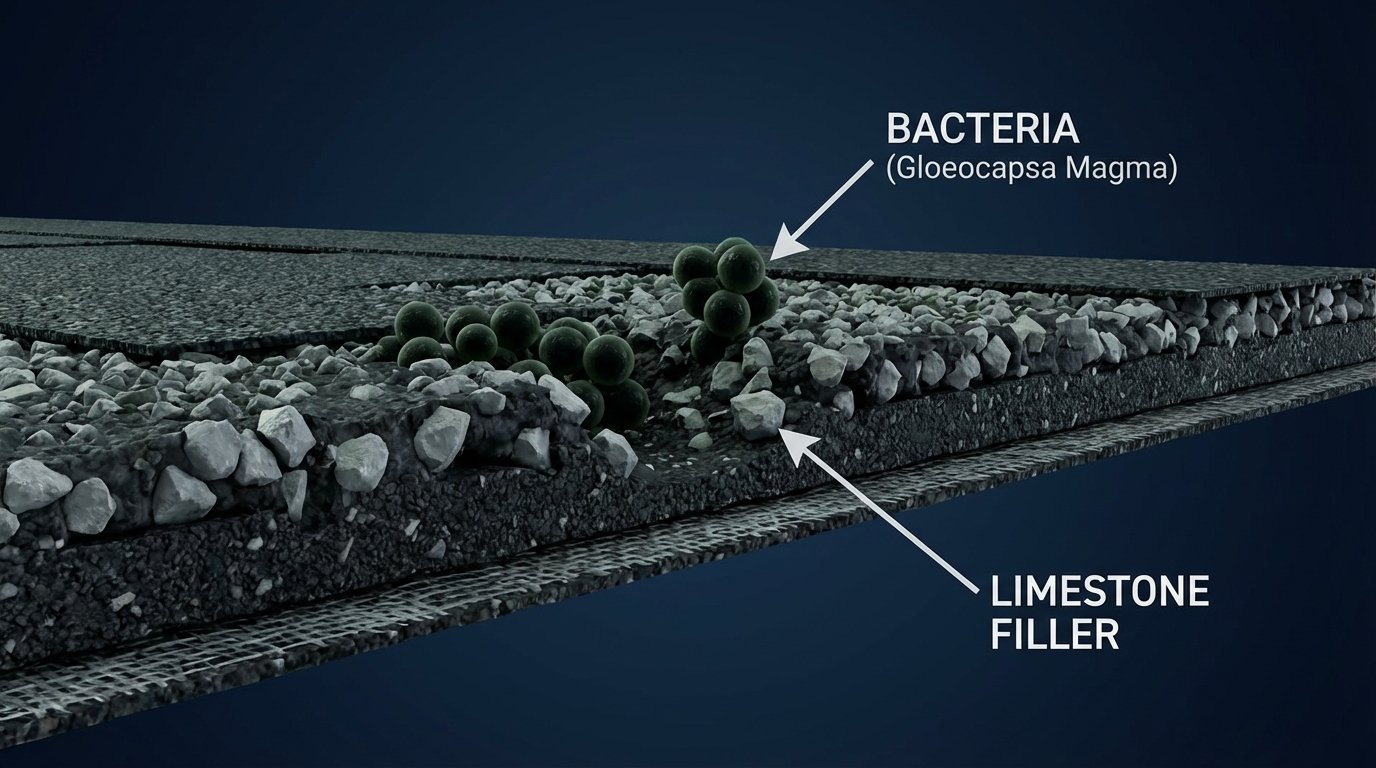
Here is the strange part: Your roof is delicious.
Decades ago, asphalt shingles were made differently. Today, manufacturers use crushed limestone as a filler material to add weight and durability to shingle roofing. Unfortunately, Gloeocapsa Magma feeds on the calcium carbonate found in limestone. Essentially, you have provided an “all-you-can-eat” buffet for this algae. This is why the problem has become so much more common in the last 20 to 30 years.
Geographic Regions and Climate
If you live in the Southeastern United States, often called “Algae Alley,” you know this battle well. However, due to wind dispersion and warmer annual temperatures, these streaks are now appearing as far north as Canada and throughout the Midwest. High humidity acts as an incubator, allowing the algae to thrive and spread rapidly.
Identifying Black Streaks vs. Other Roof Staining
Before you start cleaning, you need to know exactly what is growing on your roof. Different stains require different treatments. If you are unsure, scheduling a professional roofing inspection is always a wise first step.
Black Streaks (Algae) vs. Mold vs. Mildew
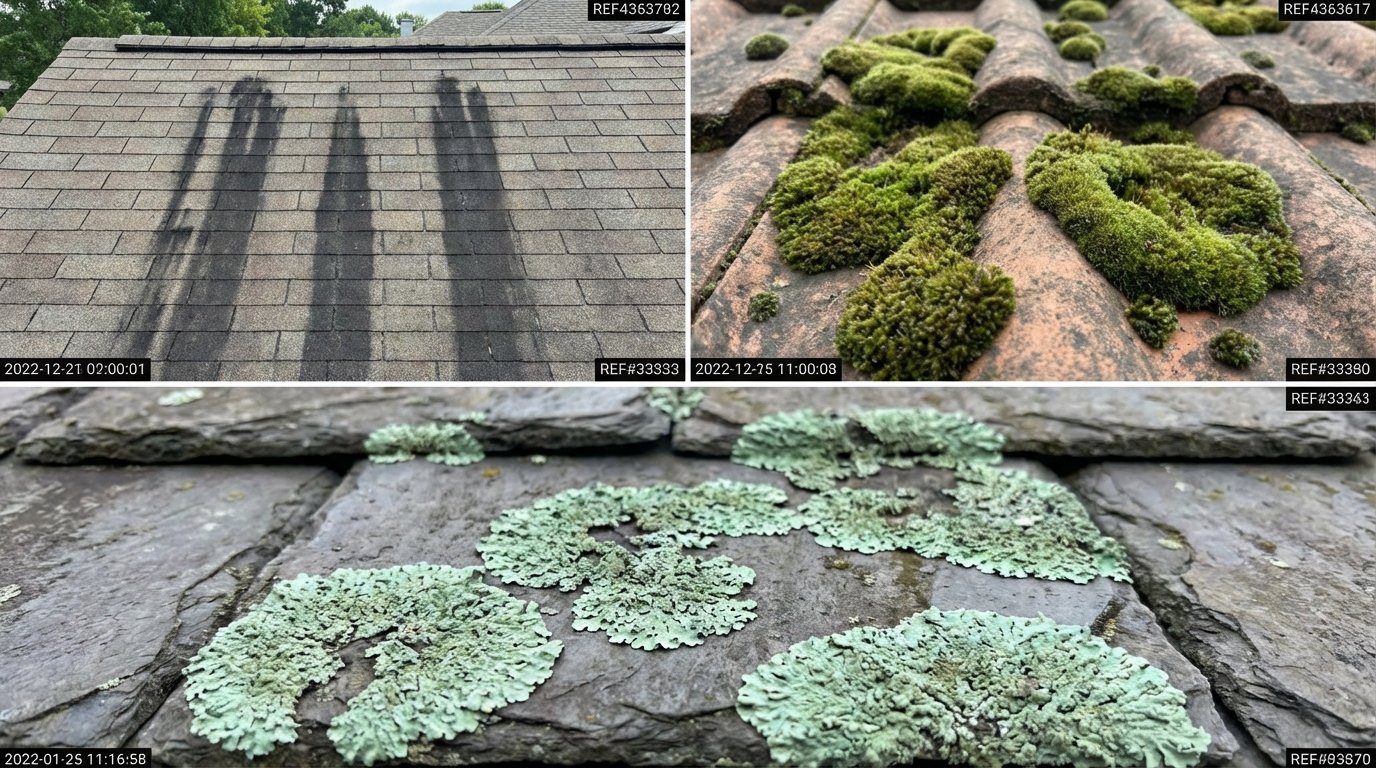
- Algae (Gloeocapsa Magma): Appears as uniform black or dark brown streaks, usually running vertically towards the gutters. It does not have a 3D texture; it looks like a stain.
- Mold: Rarely grows on rooftops unless there is a severe moisture issue (like a leaking pipe). Mold typically stays in the attic or under the eaves.
- Mildew: Powdery and usually found on shaded siding or painted surfaces, not asphalt shingles.
Algae vs. Moss and Lichen
- Moss: This is a plant with a root system (rhizoids). It looks like fuzzy green clumps or a thick carpet. Moss is dangerous because its roots lift your shingles, allowing water to seep underneath.
- Lichen: This is a combination of algae and fungus living together. It looks like crusty, mint-green, or white patches that are hard to scrape off. Lichen is acidic and can dig craters into your shingles if left untreated.
Signs and Symptoms: Is Your Roof at Risk?
The “North-Facing” Phenomenon
Have you noticed that the streaks are usually on one side of the house? The north-facing slope of a roof receives the least amount of direct sunlight. This means morning dew and rain take longer to evaporate there. Algae needs moisture to survive, so this damp, shady environment is perfect for a colony to establish itself.
Progression: From Spot to Streak
It starts slowly. You might see small dark spots that look like shadows. Over a few years, as gravity pulls the colony downward and rainwater washes spores down the slope, these spots elongate into the tell-tale streaks. If you see streaks, the infestation is already well-established.
The Hidden Costs: Why It’s More Than Just Cosmetic
Ignoring these streaks is easy, but it comes with a price tag.
1. Higher Energy Bills
A black roof absorbs heat. A clean, light-colored roof reflects sunlight. When algae blackens your shingles, your roof absorbs significantly more solar heat. This superheats your attic, forcing your air conditioner to work overtime to cool your living space. Cleaning your roof can actually lower your summer cooling costs. This is also why proper roof ventilation plays such an important role in keeping attic temperatures in check.
2. Reduced Roof Lifespan
While algae itself isn’t as destructive as moss, it is not harmless. By feeding on the limestone, it slowly detaches the protective granules on your shingles. These granules are your roof’s primary defense against hail, wind, and sun. Losing them leads to premature aging, meaning you might have to consider a roof replacement 5–10 years earlier than expected.
3. Lower Home Value
Curb appeal matters. If you are selling your home, a streaky roof screams “neglect” to potential buyers. Home inspectors often flag it, and buyers may demand a new roof or a price reduction, fearing the stains indicate water damage or rot.
DIY Cleaning: The Safe “Soft Wash” Method
You can clean your roof yourself, but you must do it safely. The Asphalt Roofing Manufacturers Association (ARMA) recommends a specific method known as Soft Washing.
Equipment You Need
- Garden sprayer (pump-style)
- Garden hose with a spray nozzle
- Safety goggles and rubber gloves
- Non-slip shoes (safety harness recommended for steep roofs)
- Ingredients: Household liquid bleach (sodium hypochlorite) and water.
The 50/50 Solution
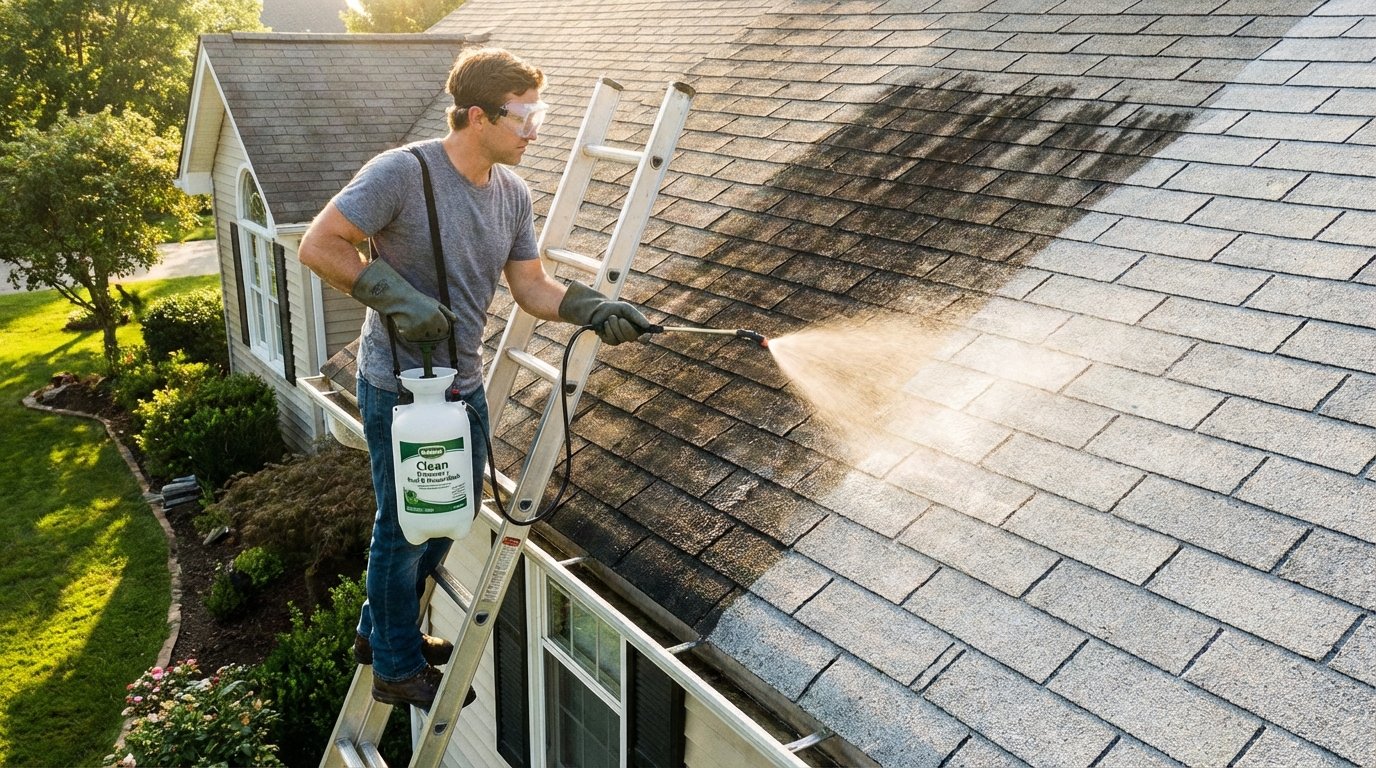
- Mix: Combine 50% water and 50% household bleach in your sprayer.
- Add Soap: Add a cup of laundry detergent or dish soap. This acts as a “surfactant,” helping the mixture stick to the shingles rather than running straight off.
- Protect Plants: Crucial Step! Thoroughly water all grass and bushes around your house before you start. If the plants are already wet, they won’t absorb the bleach runoff. Cover delicate flowers with a tarp.
The Cleaning Process
- Apply: Spray the solution gently onto the dry roof shingles. Start from the bottom and work up to prevent streaking.
- Wait: Let the solution sit for 15 to 20 minutes. You will actually see the algae turn white or brown as it dies.
- Rinse: Gently rinse the roof with water from your garden hose.
- Final Rinse: Water your landscaping again to dilute any chemical runoff.
What NOT To Do: The Pressure Washer Warning
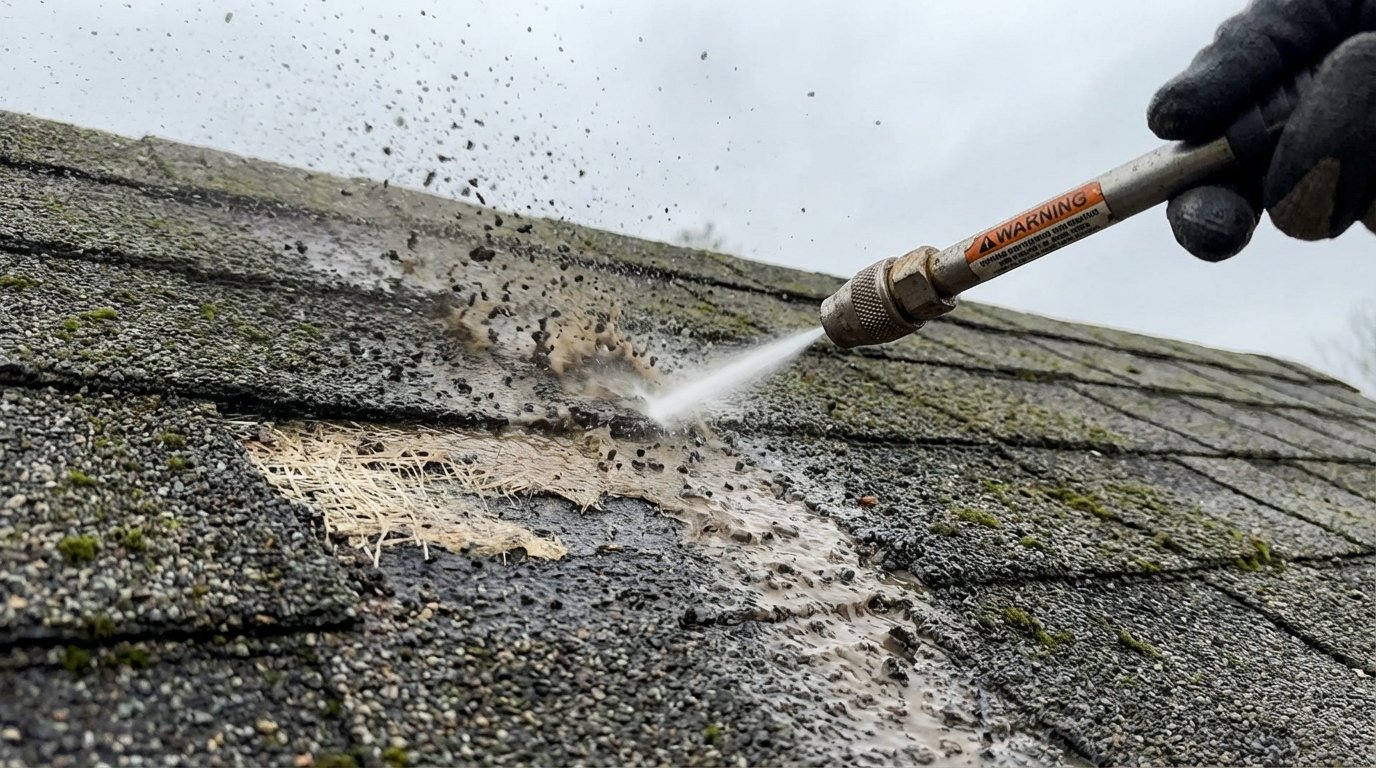
NEVER use a pressure washer on asphalt shingles.
High-pressure water will blast away the protective granules (the sandpaper-like coating). Once those granules are gone, your shingles are ruined. Pressure washing can also force water under the shingles, causing leaks and rotting the wood deck. Furthermore, using a pressure washer often voids your roof warranty.
Professional Roof Cleaning Services
If climbing a ladder isn’t for you, or your roof is steep, hiring a professional is a smart choice. A reputable residential roofing contractor will have the proper equipment and insurance to get the job done safely.
- Cost: Expect to pay between $300 and $800, depending on the size and steepness of your roof.
- Method: Ensure they use the Soft Wash method. If a contractor shows up with a high-powered pressure washer, send them away.
- What to Ask: Ask if they have insurance (liability and workers’ comp) and if they offer a guarantee. Many pros offer a 1-3 year “algae-free” warranty. You can learn more about how much deposit to give a roofer before any work begins.
Prevention: Keep the Streaks Away Forever
Once your roof is clean, you want to keep it that way. Here are three proven methods.
1. Zinc and Copper Strips
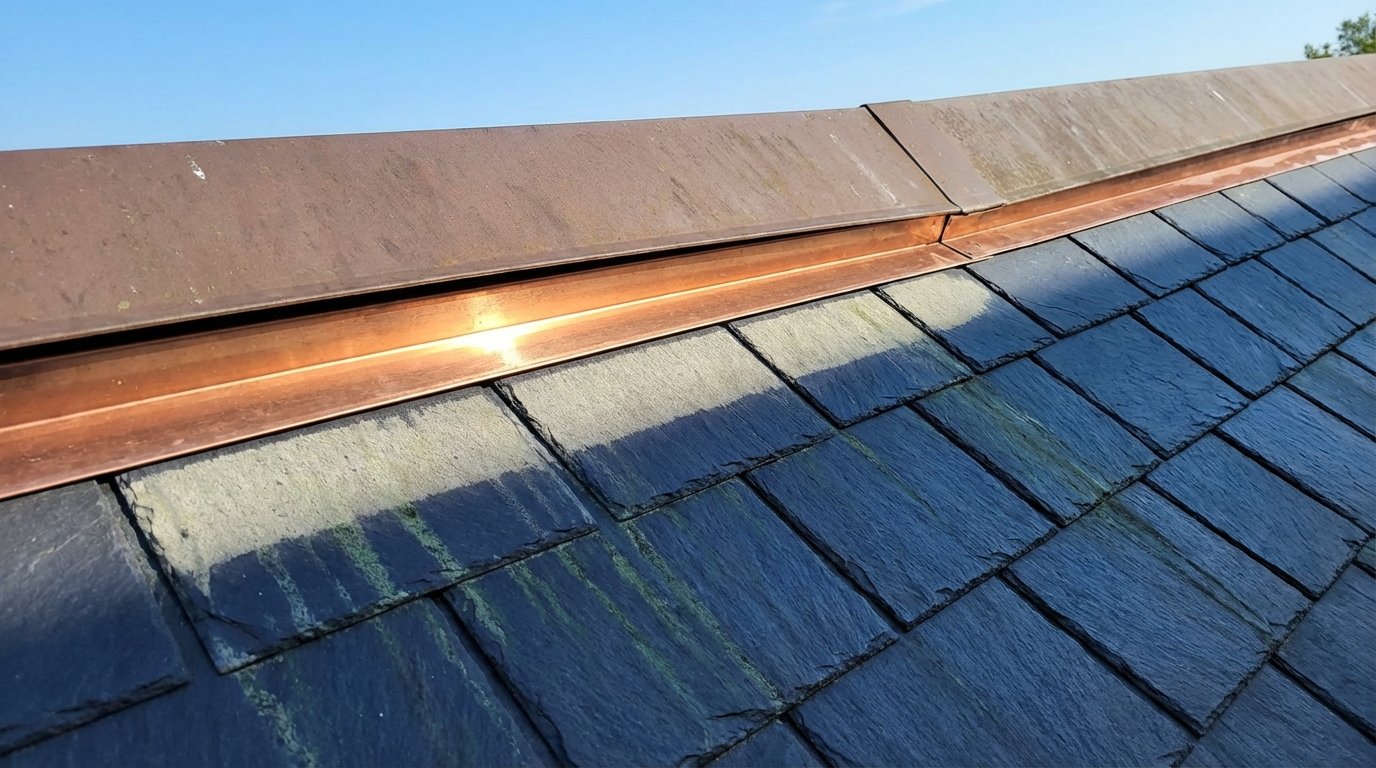
This is a brilliant, passive way to prevent algae. You can install a strip of zinc or copper metal near the ridge (peak) of your roof.
- How it Works: When it rains, water washes over the metal strip, releasing tiny metal ions. These ions wash down the roof and act as a natural herbicide, killing algae spores before they can grow.
- Copper vs. Zinc: Copper is more expensive but lasts much longer (up to 50 years) and is more potent. Zinc is cheaper but eventually oxidizes and loses effectiveness.
2. Tree Trimming
Algae loves the shade. Trim back overhanging tree branches to allow sunlight to hit your roof. The UV rays from the sun are a natural disinfectant that helps keep the roof dry and algae-free. This is especially important for cedar roofing, which is particularly susceptible to moisture-related growth — you can learn more about the heating effect on cedar roofing and why ventilation matters so much for wood roofs.
3. Algae-Resistant (AR) Shingles
If it is time to replace your roof, do not buy standard shingles. Ask for Algae-Resistant (AR) Shingles.
- The Tech: These shingles are manufactured with copper-coated granules mixed in with the regular stone granules. Understanding shingle bundles and how much a pack of shingles costs will help you budget your project more accurately.
- Brands: Look for products like GAF Timberline HDZ Shingles or Timberline UHDZ, which offer algae-resistant technology built right into the granules.
- Warranty: These usually come with a 10-25 year warranty specifically against algae growth. The U.S. Department of Energy also notes that reflective, cleaner roofs contribute to lower cooling energy use — another reason to keep algae at bay.
Conclusion
Black streaks on your roof are a nuisance, but they are not a disaster. They are a sign that nature is trying to reclaim your home, feeding on the limestone in your shingles. By understanding the science of Gloeocapsa Magma, avoiding the dangers of pressure washing, and utilizing the soft wash method, you can restore your home’s curb appeal in a single afternoon.
Whether you choose to DIY or hire a pro, the most important thing is to act. Don’t let algae shorten the life of your roof. A clean roof is a healthy roof, and a healthy roof protects your biggest investment—your home. If you are ready for expert help, contact us today for a professional assessment.
Frequently Asked Questions (FAQs)
Q: Will the bleach kill my plants?
A: Pure bleach will, but if you water your plants thoroughly before and after the cleaning, and cover delicate shrubs, they will be fine. The soil dilutes the bleach significantly.
Q: How often should I clean my roof?
A: In humid climates, you may need to soft wash every 3–5 years. If you install zinc strips, you might never need to clean it again.
Q: Can I just paint over the shingles?
A: No. Shingles need to breathe. Painting them traps moisture and will cause them to rot and warp very quickly. If you are curious about what paint does to roofing surfaces, read our guide on whether you can paint a roof.
Q: Does homeowners insurance cover roof cleaning?
A: Typically, no. Cleaning is considered “maintenance.” However, if you neglect the roof and the algae leads to a leak, the insurance company might deny your claim due to lack of maintenance. If your roof has already suffered damage, our roofing repair and emergency roofing services are available to help.
Q: Is vinegar a good alternative to bleach?
A: Vinegar is eco-friendly, but it is often not strong enough to kill the deep roots of moss or the thick shell of Gloeocapsa Magma. It may work for very light staining, but bleach is the industry standard for a reason.