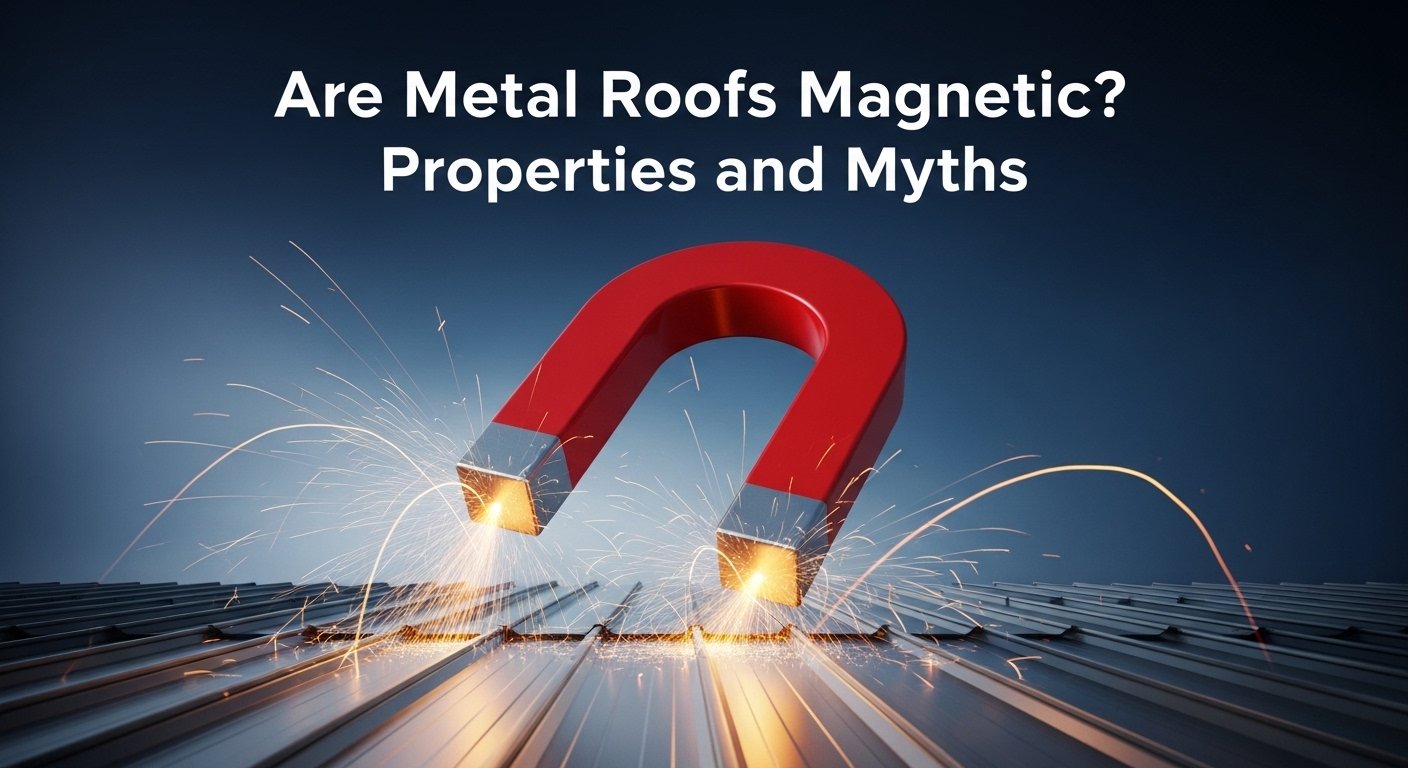
Introduction: Understanding Magnetism in Metal Roofing
When considering a metal roof for your home, you might wonder: “Is my roof going to be magnetic?” This seemingly simple question leads down a fascinating path of materials science, practical implications, and persistent myths. The answer isn’t just yes or no, it depends entirely on which metal you choose.
Metal roofing has surged in popularity over the past two decades, with installations increasing by over 15% annually according to the Metal Construction Association. As more homeowners make the switch from traditional asphalt shingles, questions about magnetic properties, lightning attraction, and electronic interference continue to circulate. Let’s separate fact from fiction and explore what magnetism really means for your roof.
Understanding whether your metal roof is magnetic matters for several practical reasons: it affects which installation tools contractors can use, how accessories attach, what happens during recycling, and whether certain myths about lightning and electronics actually hold water. This guide cuts through the confusion with science-backed answers and real-world insights.
The Science Behind Magnetism in Roofing Materials
What Does “Magnetic” Actually Mean?
Magnetism refers to a material’s ability to attract or interact with a magnetic field. This property is determined by a metal’s atomic structure and electron configuration, not by external factors like weather, age, or installation methods.
There are three primary magnetic classifications you need to know:
Ferromagnetic materials exhibit strong magnetic attraction. Iron, nickel, and cobalt fall into this category, along with any alloys containing significant amounts of these elements. Steel roofing, which contains iron as its base metal, is ferromagnetic and responds strongly to magnets.
Paramagnetic materials show very weak magnetic attraction that’s barely noticeable in everyday situations. Aluminum is paramagnetic, which means it technically responds to magnetic fields, but you’d need extremely powerful magnets to observe any effect. For practical purposes, aluminum roofing is non-magnetic.
Diamagnetic materials are slightly repelled by magnetic fields. Copper and zinc fall into this category, making them completely non-magnetic in any practical sense. Even the strongest household magnets won’t stick to copper or zinc roofing.
The Role of Iron Content
The key factor determining magnetism is iron content. Pure iron is one of the most magnetic elements on Earth, and any metal containing iron will exhibit some degree of magnetic response. This is why steel roofing, regardless of coatings or paint, remains magnetic, while aluminum, copper, and zinc roofs do not.
Magnetic vs. Non-Magnetic Metal Roofing Materials
Steel Roofing: The Magnetic Option
Galvanized Steel remains the most common magnetic roofing material. Even with its protective zinc coating (which itself is non-magnetic), the iron-based steel core makes the entire panel magnetic. A simple refrigerator magnet will stick firmly to galvanized steel roofing.
Galvalume Steel, coated with an aluminum-zinc alloy, similarly retains full magnetic properties. The coating is only 0.02 inches thick, so the magnetic steel underneath dominates the material’s behavior.
Weathering Steel (also called Corten steel) develops a protective rust layer that actually enhances its appearance. Despite the oxidation, it remains strongly magnetic, though interestingly, rust (iron oxide) is slightly less magnetic than pure iron.
Stainless Steel: It Depends
Not all stainless steel behaves the same way. The magnetic properties vary based on the specific alloy:
- Austenitic stainless steel (304, 316) contains chromium and nickel, which alter the crystal structure and reduce magnetism to nearly zero. A magnet will barely stick to these alloys.
- Ferritic stainless steel (430) retains moderate magnetic properties due to its iron-chromium composition.
- Martensitic stainless steel is strongly magnetic, similar to regular steel.
Aluminum Roofing: Effectively Non-Magnetic
Aluminum is the second most popular metal roofing material in North America, and it’s essentially non-magnetic for all practical purposes. While technically paramagnetic, the effect is so weak that even industrial magnets produce minimal attraction. Homeowners can consider aluminum roofing completely non-magnetic.
Copper and Zinc: Completely Non-Magnetic
Premium roofing materials like copper and zinc are diamagnetic, meaning they naturally resist magnetic influence. No magnet, regardless of strength, will stick to these materials. This property remains constant throughout the roof’s entire lifespan, which can exceed 100 years for copper.
Testing Your Metal Roof: Is It Magnetic?
Simple Home Test
You don’t need expensive equipment to determine if your roof is magnetic. Grab a refrigerator magnet and try to stick it to a panel edge or accessible area. If it holds firmly, you have steel roofing. If it falls off or barely holds, you likely have aluminum. If there’s absolutely no attraction, you have copper, zinc, or austenitic stainless steel.
For more accurate testing, use a stronger neodymium magnet (available at hardware stores for a few dollars). These rare-earth magnets will reveal even weak magnetic responses that fridge magnets might miss.
Professional Testing Methods
Roofing professionals and inspectors use gauss meters to measure magnetic field strength precisely. These devices measure in units called gauss (or tesla for larger fields). Steel roofing typically measures 50-200 gauss at the surface, while aluminum shows less than 1 gauss, indistinguishable from background levels.
Testing through paint and coatings works the same way since magnetic fields penetrate non-metallic materials easily. Even thick stone-coated steel panels remain fully magnetic despite their granular covering.
Debunking Common Myths About Magnetic Metal Roofs
Myth 1: Metal Roofs Become More Magnetic Over Time
The Truth: Magnetic properties are intrinsic to the material and don’t change with age. In fact, rust (iron oxide) is less magnetic than pure iron, meaning oxidation slightly reduces magnetic response rather than increasing it.
Some homeowners believe that weathering, corrosion, or sun exposure somehow “activates” magnetism in metal roofs. This is scientifically impossible. A roof’s magnetic properties on day one are essentially identical to its properties after 30 years.
Myth 2: Magnetic Roofs Attract Lightning
The Truth: Lightning is attracted to height, electrical conductivity, and the path of least resistance, not magnetic properties. A 30-foot tall oak tree is far more likely to be struck than your metal roof, regardless of whether it’s magnetic steel or non-magnetic aluminum.
Research from the Lightning Protection Institute confirms that metal roofs are actually safer during lightning events because they efficiently disperse electrical charge and won’t ignite if struck. Both magnetic and non-magnetic metal roofs conduct electricity equally well, making them equivalent from a lightning safety perspective.
The confusion stems from metal being conductive. But conductivity and magnetism are completely different properties. Copper, for instance, is an excellent conductor but totally non-magnetic.
Myth 3: Magnetic Roofs Interfere with Electronics
The Truth: Static magnetic fields from roofing materials don’t interfere with cell phones, WiFi, GPS devices, or other electronics. The confusion arises from metal roofing (magnetic or not) potentially blocking radio signals, but this is due to electrical conductivity and reflection, not magnetism.
Metal roofing can attenuate cell signals by 20-60%, depending on thickness and installation. However, this signal blocking occurs equally with magnetic steel roofs and non-magnetic aluminum roofs. The material’s magnetism is irrelevant.
If you experience signal issues, installing signal boosters or ensuring proper antenna placement solves the problem regardless of your roof’s magnetic properties.
Myth 4: Non-Magnetic Roofs Are Less Durable
The Truth: Material strength and longevity have nothing to do with magnetic properties. Copper roofs (non-magnetic) regularly last 100+ years, while galvanized steel roofs (magnetic) typically last 40-60 years. Aluminum roofs (non-magnetic) excel in coastal environments where magnetic steel roofs might corrode faster.
Durability depends on factors like coating quality, installation, climate, and maintenance, not whether a magnet sticks to the surface.
Practical Implications: How Magnetism Affects Installation
Magnetic Installation Tools
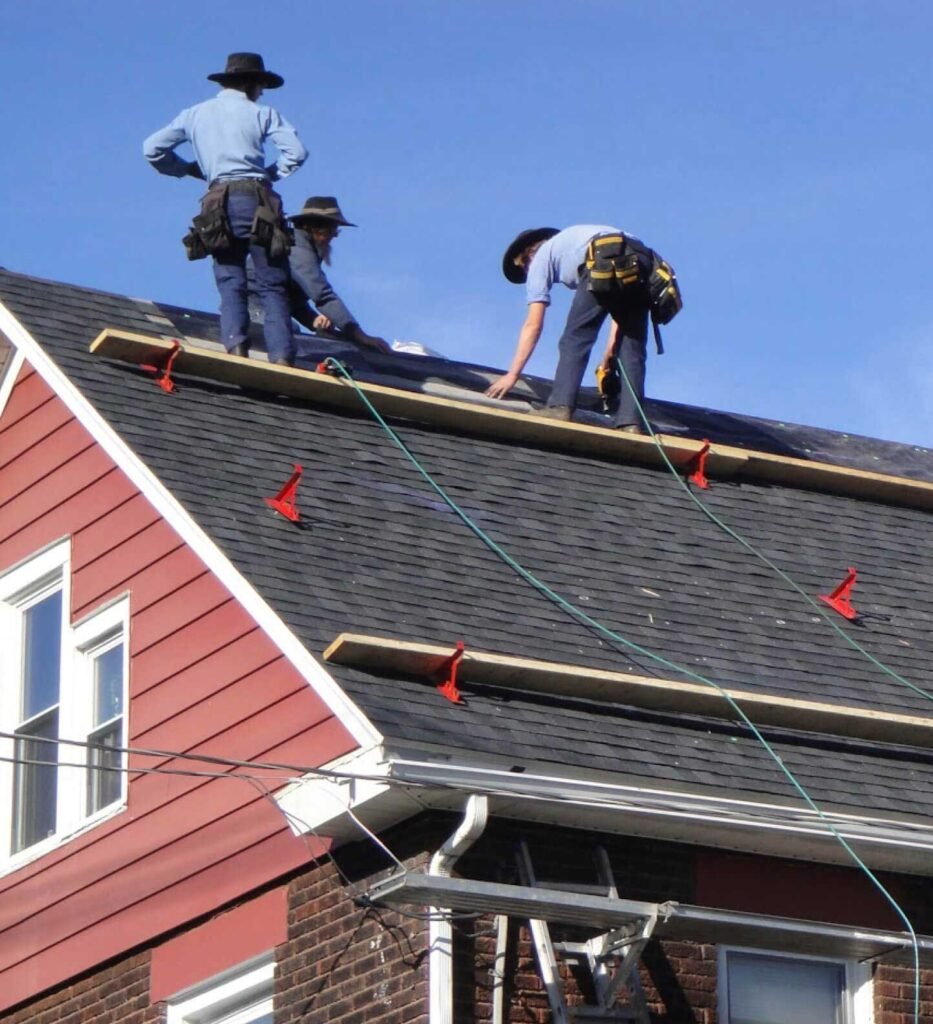
Contractors working with steel roofs benefit from magnetic tools that stick directly to the surface. Magnetic levels ensure perfect alignment without an assistant holding them. Magnetic fastener holders keep screws accessible on steep slopes. Some installers even use magnetic shoe attachments for additional grip on metal surfaces.
These conveniences can reduce installation time by 10-15%, potentially lowering labor costs.
Working with Non-Magnetic Materials
Aluminum and copper roofs require different techniques. Contractors use mechanical fastening systems, adhesive solutions, and traditional tool placement methods. While this doesn’t significantly increase installation time for experienced crews, it does require different equipment and approaches.
Fastener Compatibility and Galvanic Corrosion
Here’s where magnetism indirectly affects long-term performance: when you mix magnetic and non-magnetic metals, galvanic corrosion becomes a concern.
Using steel (magnetic) fasteners with aluminum (non-magnetic) roofing creates an electrochemical reaction in the presence of moisture. The more “active” metal (aluminum) corrodes faster, potentially leading to premature failure. Proper installation requires using compatible materials:
- Steel roofs → stainless steel or painted steel fasteners
- Aluminum roofs → aluminum or stainless steel fasteners
- Copper roofs → copper or stainless steel fasteners
Mixing magnetic and non-magnetic metals without proper isolation can reduce roof lifespan by 30-50% in humid or coastal climates.
Cost Analysis: Magnetic vs. Non-Magnetic Metal Roofing
Understanding the cost differences helps you make informed decisions:
Galvanized Steel (Magnetic): $3-5 per square foot installed. Most affordable option, excellent for budget-conscious homeowners. Expected lifespan: 40-60 years.
Galvalume Steel (Magnetic): $4-7 per square foot installed. Better corrosion resistance than galvanized. Expected lifespan: 50-70 years.
Aluminum (Non-Magnetic): $5-12 per square foot installed. Premium pricing justified by superior corrosion resistance and lighter weight. Expected lifespan: 50-75 years.
Copper (Non-Magnetic): $15-30 per square foot installed. Luxury option with unmatched longevity and distinctive aging patina. Expected lifespan: 100+ years.
Zinc (Non-Magnetic): $10-20 per square foot installed. Premium European-style roofing with excellent corrosion resistance. Expected lifespan: 80-100 years.
Total Cost of Ownership: 30-Year Analysis
While steel roofing costs less upfront, the 30-year ownership equation is more nuanced:
- Magnetic steel roof: $12,000 initial cost + $800 maintenance = $12,800 total
- Non-magnetic aluminum roof: $18,000 initial cost + $300 maintenance = $18,300 total
- Non-magnetic copper roof: $45,000 initial cost + $100 maintenance = $45,100 total
Steel offers the best value for budget-focused projects. Aluminum provides excellent long-term value in harsh environments. Copper is a generational investment that outlives the building itself.
Why Modern Roofs Are Increasingly Non-Magnetic
The roofing industry is gradually shifting toward non-magnetic materials for several compelling reasons:
Coastal Performance: Aluminum and copper resist salt air corrosion far better than steel, making them the default choice within 10 miles of ocean coastlines.
Weight Advantages: Aluminum weighs 60% less than steel, reducing structural load requirements and simplifying installation. This matters especially for retrofits and buildings with weight restrictions.
Energy Efficiency: Aluminum’s high solar reflectance (up to 95% for light colors) can reduce cooling costs by 10-20% compared to darker steel roofing.
Sustainability: While all metals are recyclable, aluminum and copper command higher scrap values and retain more material value at end-of-life. Recycling facilities easily separate non-magnetic metals from magnetic steel using magnetic sorting systems.
Longevity: Non-magnetic premium metals (copper, zinc) offer 2-3x longer lifespans than magnetic steel options, appealing to homeowners planning multi-generational ownership.
Frequently Asked Questions
Are all metal roofs magnetic?
No. Only roofs made from iron-based metals (steel, some stainless steels) are magnetic. Aluminum, copper, zinc, and austenitic stainless steel roofs are non-magnetic.
Does rust make a metal roof more magnetic?
No. Rust (iron oxide) is actually less magnetic than pure iron. Oxidation slightly reduces magnetic response rather than increasing it.
How can I test if my existing roof is magnetic?
Use a refrigerator magnet or stronger neodymium magnet. If it sticks firmly, you have steel. If it doesn’t stick at all, you have aluminum, copper, or zinc.
Can magnets damage a metal roof?
No. Normal household or industrial magnets lack the field strength to damage roofing materials. Even extremely powerful electromagnets won’t harm the metal itself.
Will a magnetic roof affect my compass?
Metal roofs (magnetic or not) can cause minor compass deviations when you’re directly beneath them, but this is due to ferromagnetic interference, not the roof’s permanent magnetism. In practice, this rarely causes problems.
Do magnetic roofs cost more to install?
No, actually the opposite. Magnetic steel roofs are typically the most affordable option ($3-7 per square foot installed), while non-magnetic copper and zinc roofs cost significantly more ($10-30 per square foot installed).
What’s the best metal roof for coastal areas?
Non-magnetic aluminum or copper performs best in salt air environments. Their superior corrosion resistance far outweighs any cost premium in coastal applications.
Conclusion: Choosing the Right Metal Roof
The magnetic properties of your roof depend entirely on the base metal you select. Steel roofs are magnetic due to iron content, while aluminum, copper, and zinc roofs are non-magnetic. This fundamental difference affects installation techniques, tool selection, and accessory compatibility, but it doesn’t determine durability, lightning risk, or electronic interference.
Common myths about magnetic roofs attracting lightning or interfering with electronics are scientifically unfounded. Lightning responds to height and conductivity, not magnetism. Electronic interference comes from signal reflection, which affects both magnetic and non-magnetic metal roofs equally.
When choosing between magnetic and non-magnetic materials, focus on what truly matters: climate compatibility, budget, expected lifespan, maintenance requirements, and aesthetic preferences. Coastal homeowners should prioritize corrosion-resistant non-magnetic materials like aluminum or copper. Budget-conscious inland homeowners find excellent value in magnetic steel options. Those investing in generational homes might justify premium non-magnetic copper or zinc.
The right metal roof choice depends on your specific circumstances, not on whether a magnet sticks to it. Consult with experienced contractors, compare total ownership costs over your expected timeframe, and select materials proven to perform in your regional climate. Magnetism is a material characteristic worth understanding, but it shouldn’t dominate your decision-making process.